One leaky trough 'can add up to £200 per week' to farm's bill - NI Water

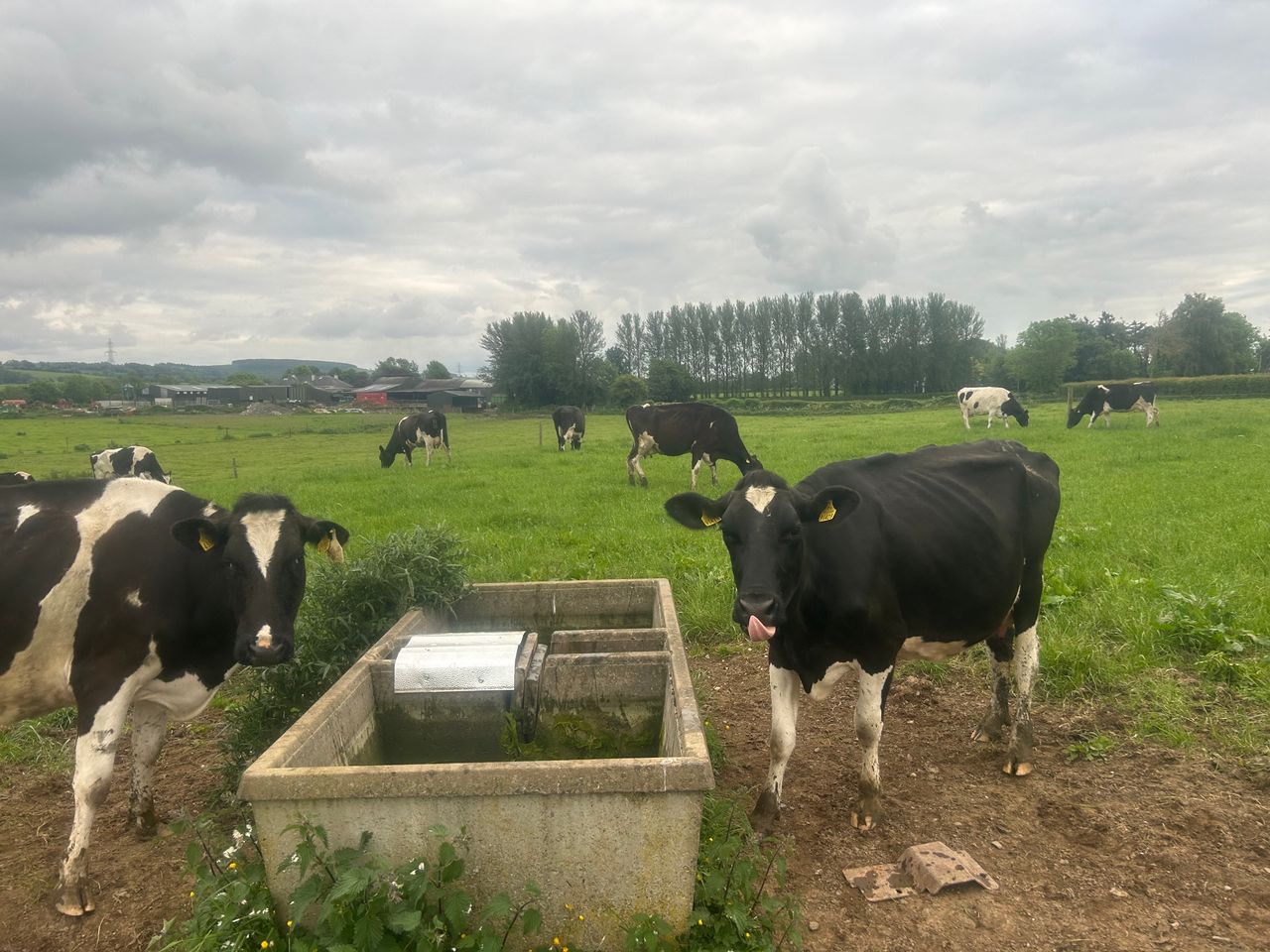
NI Water has urged farmers to ensure that they are using water efficiently this summer as livestock spend more time outdoors, with a single drinking trough leak potentially adding up to £200 per week to a farm's bill.
Paul Bryce, who is the head of water at NI Water, stressed "how vital a reliable water supply is for livestock and day-to-day farm operations".
According to NI Water, drinking water for livestock can account for between 50% and 75% of total water use on dairy farms, highlighting how "even a small leak can quickly become expensive".
With field troughs and outside taps in regular use during the summer months, NI Water encouraged farmers to "make sure everything is working as it should".
Bryce said: "Regular meter checks are one of the simplest ways to spot a problem early.
"If a meter is moving when no water is being used, or if readings are higher than expected, there may be a leak on private pipework that should be found and repaired as quickly as possible."
NI Water outlined that while it is responsible for the upkeep of public watermains, landowners are responsible for pipework within their property boundary.
For farmers, their pipework responsibilities can include pipes in farmyards and buildings, outside taps and the supply pipes leading to drinking troughs.
NI Water emphasised that checking these areas regularly "can help prevent water loss, reduce the risk of disruption and avoid a higher-than-expected bill".
Bryce stated: "A typical leak at a drinking trough can add up to £200 per week to a farm’s water bill.
"By regularly checking meters, taps, pipework, land and troughs, farmers can quickly resolve problems and protect their business from rising costs," he added.
Advice
NI Water listed the following tips for on-farm water efficiency this summer:
- Monitor water meters regularly, especially before and after turning on field troughs or other seasonal supplies;
- Investigate any unexpected increase in usage, as it may indicate a leak that should be repaired quickly;
- Know where stop valves are located and consider installing additional valves to isolate unused areas of the farm;
- Make sure you know the layout of pipework across your land and, where possible, keep a simple map of pipe runs;
- Know where stop valves are located and consider installing additional valves to isolate unused areas of the farm;
- Ensure underground pipes are buried around 750mm below ground level where practical, and insulate pipes within building;
- Consider rainwater harvesting, such as using water butts, for appropriate tasks including washing equipment, vehicles or windows, and watering plants;
- Review water storage capacity, with NI Water recommending at least 24 hours' storage in case of supply disruption.
If a leak is suspected, NI Water advised farmers to contact an accredited plumber on the WaterSafe website.
Bryce commented: "Every litre saved helps protect the water network we all rely on.
"Taking a few minutes to check meters, troughs, and pipework can make a real difference to farm businesses, livestock welfare, and the wider community this summer."