Now is the time to control rat’s tail fescue

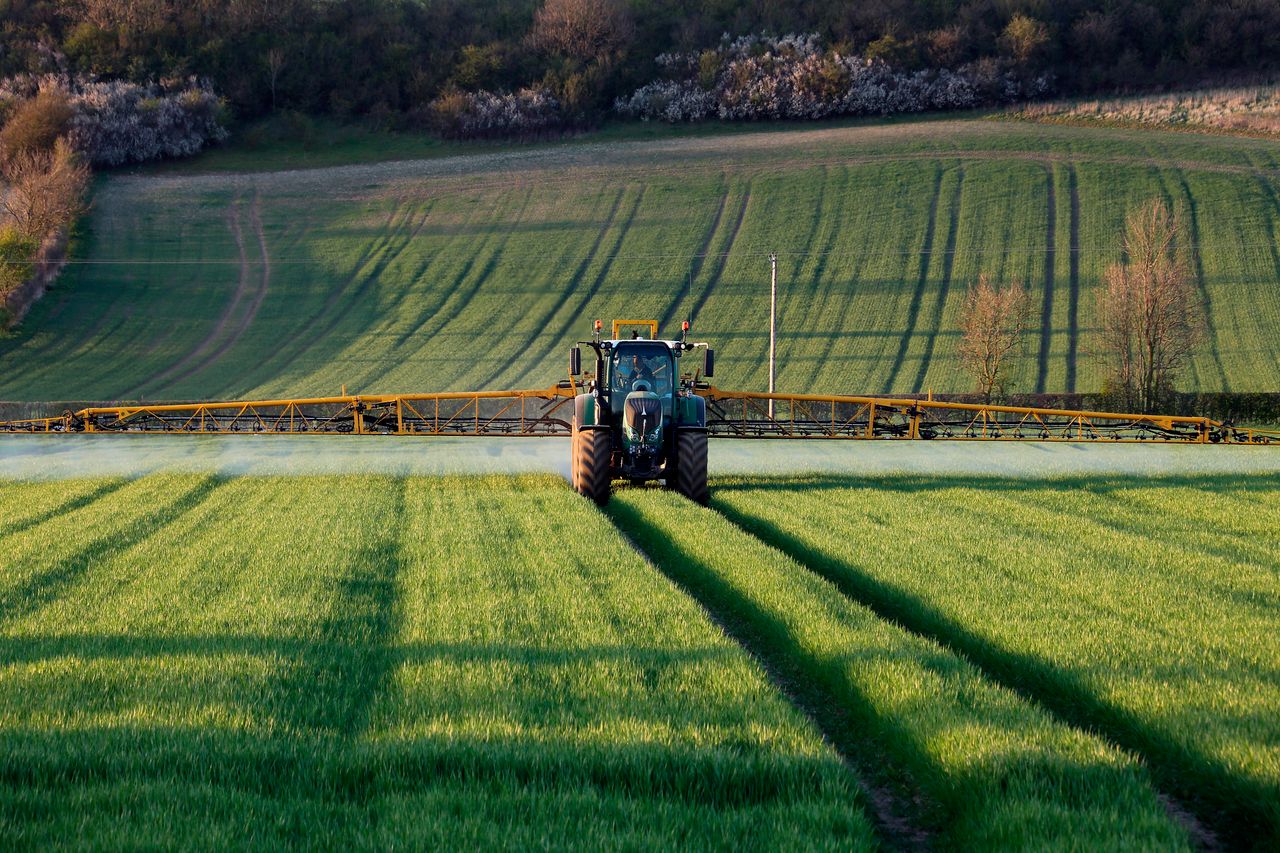
Early action is key to preventing rat’s tail fescue from becoming established on tillage farms, according to Teagasc.
Significantly, this unusual grass weed is becoming an increasing problem in non-inversion crop establishment systems.
The weed is naturally tolerant to some post-emergence herbicides, making effective autumn management particularly important.
For most grass weeds, targeting small plants at the 2-4 leaf stage is important for effective glyphosate control.
However, with rat’s tail fescue, even the maximum glyphosate rate may not provide complete control at this growth stage, Teagasc has warned.
Effective control was achieved when larger, tillering plants with a dense canopy were targeted at higher rates, with the maximum rate of 1,440g/ha providing the best results.
Trials
Teagasc trials have shown that pre-emergence herbicide applications give the best results, when it comes to the control of rat’s tail fescue in winter cereal crops.
Most products also provided control or useful growth suppression when applied at the one-leaf stage.
However, efficacy declined significantly when applications were made at the crops’ two- to four-leaf stage, with differences between products becoming more pronounced.
Meanwhile, applications at the early tillering stage were largely ineffective, providing poor suppression.
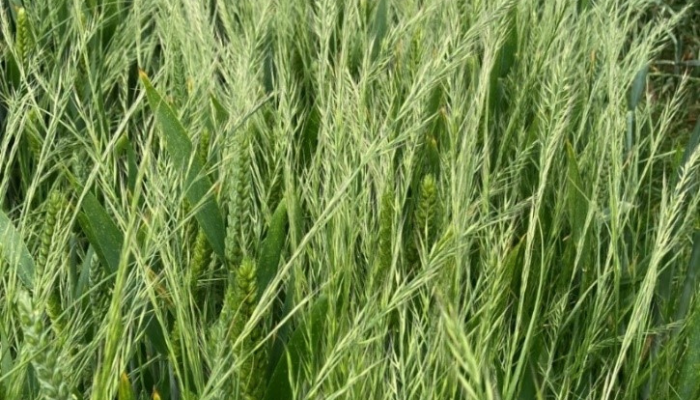
With winter cereal harvest now fully complete, stale seedbeds can be used to encourage rat’s-tail fescue emergence before drilling, with glyphosate applied once the plants have developed sufficiently for effective control.
Combining pre-sowing glyphosate application with a pre-emergence herbicide, applied 24-48 hours after drilling, will provide the best chance of achieving control.
Other actions, including spring cropping and delayed autumn drilling, can also reduce populations, while deep ploughing can provide a useful reset where infestations have become established.
Weed control
For years, Irish tillage farmers have solely relied on chemical control, when it comes to dealing with grass weed problems in Ireland.
But this situation is changing. Herbicide resistance has become an issue, with a number of chemistries that were a mainstay of weed control policies up to this point being lost.
Overarching these issues is the growing use of minimum disturbance crop establishment systems. This has allowed the pace of the challenge posed of grass weeds to accelerate.
There is also a need for tillage farmers to better recognise these more problematic weeds at an earlier stage of growth.
Complementing all of this will be the need to include more cultural control systems into the future.