Farmers urged to maximise fodder opportunities as growth recovers


Farmers have been urged to make the most of the recovery in grass growth in the last week or so in order to boost fodder supplies.
That was one of the key messages from a meeting of the National Fodder and Food Security Committee today (Monday, September 7).
The meeting also heard that Minister for Agriculture, Food and the Marine Martin Heydon has engaged with the European Commission on the possibility of moving forward the date from which cover crops can be utilised to provide another option for sourcing fodder.
Cover crops sown under the Agri-Climate Rural Environment Scheme (ACRES) after harvesting of main crops can not be grazed or otherwise removed before January 1.
The meeting was told by a department official that the commission is yet to confirm if it will be possible to bring that date forward.
However, the department official stressed that the date would only be be brought forward, and there is no prospect of the restriction on cover crop utilisation being removed altogether.
Teagasc data presented to the meeting showed that grass growth has recovered over the past 10 days following recent rainfall.
However, cumulative grass production for 2026 remains behind normal levels. PastureBase Ireland farms have grown an average of 9,219kg dry matter per hectare (DM/ha) year-to-date, which is 412kg DM/ha below the five-year average, 1,148kg below 2025 and 1,072kg below the ten-year average.
Teagasc said there is no "room for complacency", and that individual farms should continue to assess their fodder stocks as the winter housing period approaches.
However, the meeting heard that the recovery in grass growth is not uniform and that the south-east remains the area of greatest concern, with many farms having experienced considerably larger grass-production deficits and continuing to use significant quantities of supplementary feed.
Teagasc encouraged farmers to act now rather than waiting until winter or spring.
Farmers are being advised to do the following:
- Maximise production of feed on farm for the remainder of the autumn by making the most of the current recovery in grass growth and by measuring farm cover and planning grazing through the autumn;
- Use fertiliser and slurry sensibly within the existing application periods, taking account of both agronomic requirements and water-quality considerations;
- Complete and regularly update fodder budgets, while also preparing financial budgets for the months ahead;
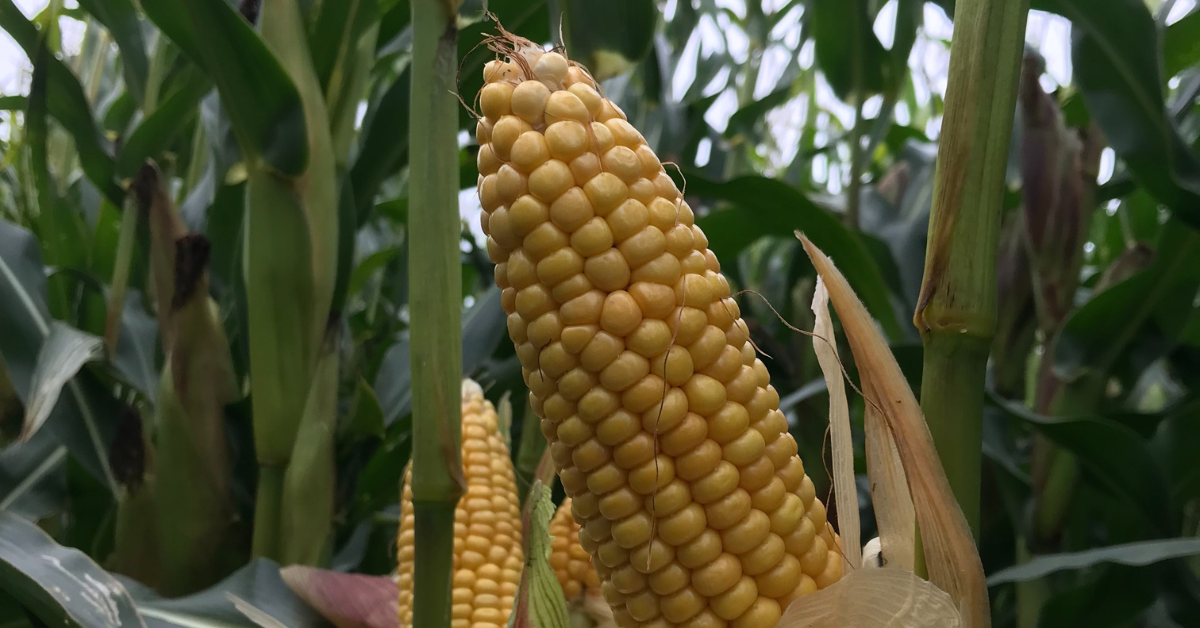
- Maximise the appropriate use of existing catch and cover crops where these can contribute additional feed - including where opportunities arise after early harvesting of maize;
- Identify fodder shortages early and facilitate the movement of fodder from areas where supplies are available to those experiencing deficits;
- Maintain contact with advisers, neighbours and support services, recognising the additional financial and personal pressures being experienced by some farm families.
The meeting reiterated current fertiliser advice for farmers to consider the application of chemical nitrogen on grassland over the next week before September 14, when the spreading window closes; and to consider the "judicious" use of slurry until the spreading window closed on October 1.
Where grass growth rates are above 35kgs DM/h, farmers should consider applying 25kg nitrogen per hectare (N/ha). Where growth rates are lower consider applying 15kg N/ha.
The meeting also re-iterated the importance of farmers taking into consideration that declining day length will soon start to curtail grass growth and that excessive fertiliser applications will not be used efficiently as a result.
Teagasc said it has intensified its advisory response in the areas most affected by the drought.
To date, five regional fodder webinars have attracted 278 participants; more than 20 fodder clinics have been held with 334 farmers attending; and fodder budgeting messages have been supported by local radio, social media, mart activity and other advisory communications.
Committee attendees also discussed a range of additional measures and supports which they considered could assist affected farmers.
These included the cost and logistics of transporting fodder between regions; access to finance and possible financial supports; greater utilisation of catch crops; potential regulatory flexibilities; and arrangements which could provide greater confidence to farmers producing or selling additional fodder.
The importance of farmer wellbeing and mental health was also touched on at the meeting.
Members encouraged farmers experiencing pressure not to deal with problems in isolation, but to speak with family, neighbours, advisers, farming organisations or appropriate professional support services.
Similarly, stress levels for farmers who have had to feed winter stocks to livestock this summer was acknowledged.
Several participants at today’s meeting highlighted the importance of talking to other farmers, advisers and professionals.
Commenting after the meeting, National Fodder and Food Security Committee chairperson Mike Magan said: "The strongest message from today is that there is a lot that can still be done now.
"Farmers should assess their own position, make the best possible use of grass growth over the coming weeks, complete both fodder and financial budgets and address any likely shortfall early," Magan added.
"There is no single solution to this challenge.
"It will require sensible management on farms, movement of fodder where it is available, good advice and communication, and continued cooperation right across the industry," the committee chair said.