Opinion: Forage maize may soon become a consistent tillage option

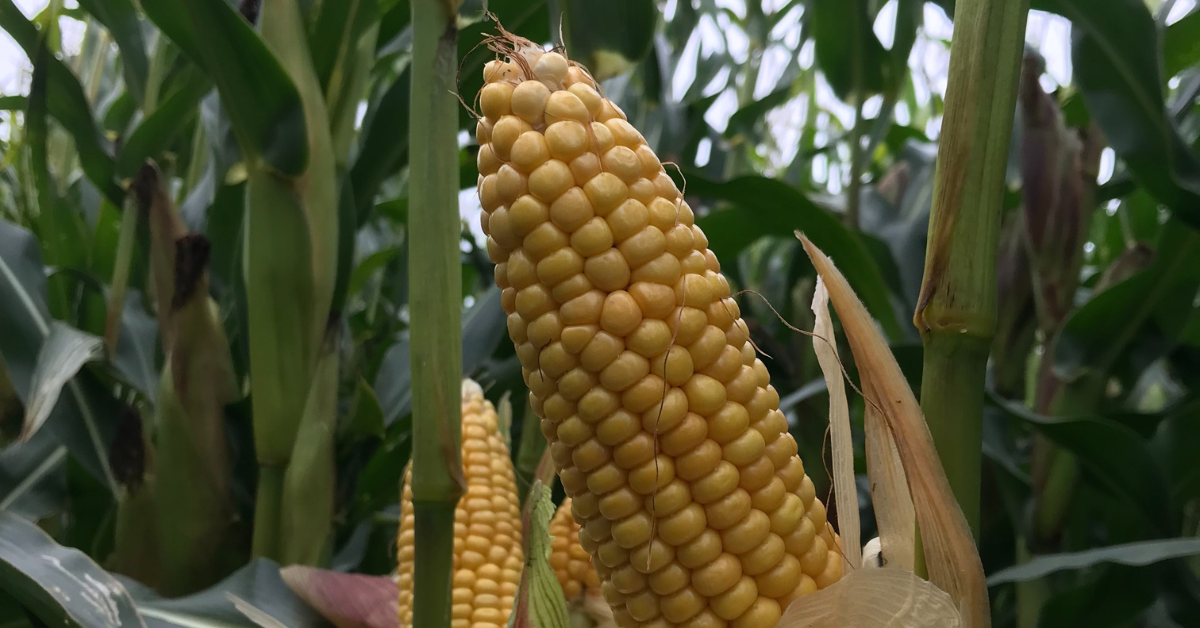
Forage maize could well be the tillage success story of 2026, with a September harvest now very much on the cards.
This prospect is boosted by the promise of high atmospheric pressure building into next week.
Over the coming years, it is quite feasible that crops of forage maize, planted in late April and harvested in late September, could soon be a realistic prospect in this part of the world.
And if this can be achieved on a sustainable basis, the role of forage maize as a consistent feature within a tillage rotation becomes viable.
Advances made in breeding new maize varieties that are more suited to the Irish temperate climate is making all of this possible.
Throw in the added impact of climate change and the true potential of the crop could soon be realised by many Irish tillage farmers.
What we would then have is a crop silage option that can deliver up to 18t of fresh weight per acre with exceptional dry matter and starch values.
Maize agronomy
Advances in maize agronomy are also kicking in to help make this happen.
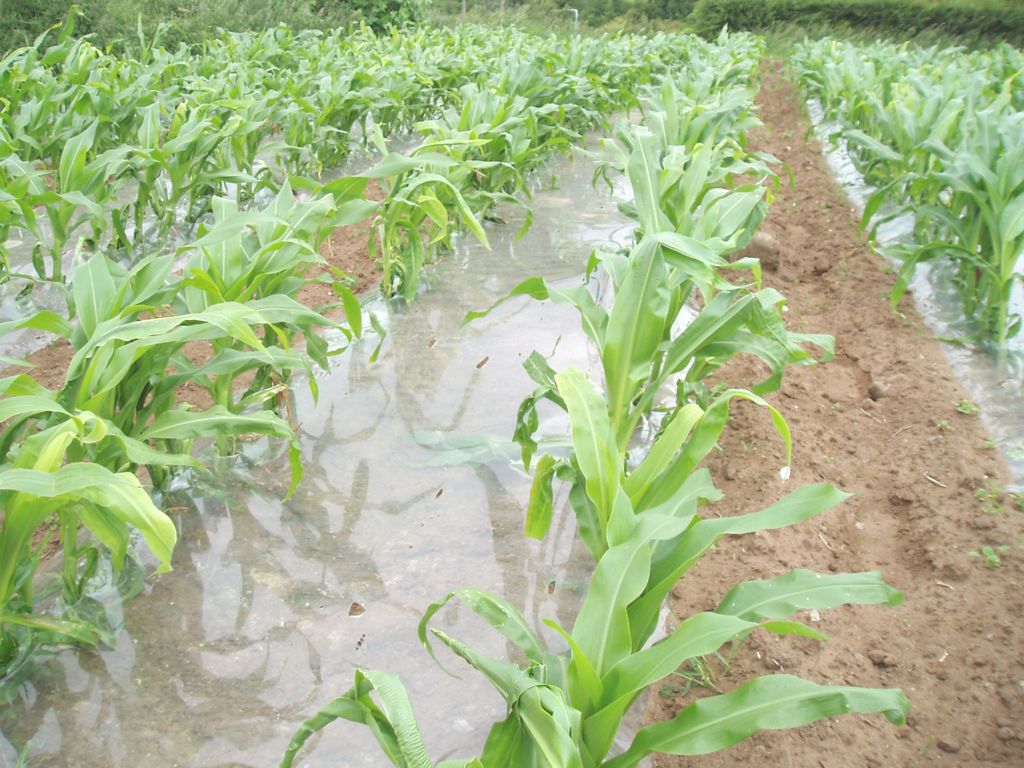
New compostable films are now available, which boost crop growth rates, particularly at those all-important, early stages of development.
But perhaps the greatest game changer, where maize is concerned, is the use of liquid nitrogen fertilisers at the 10-leaf stage.
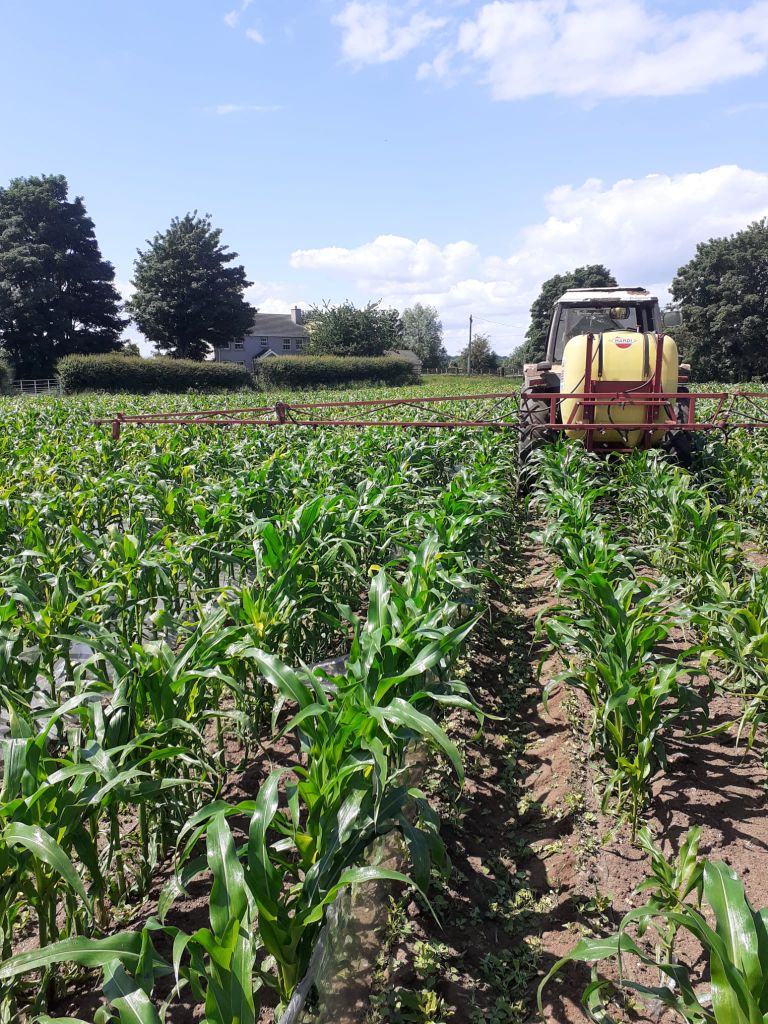
This is an approach to plant nutrition that ensures the maximal uptake of nitrogen and other nutrients.
Another advantage of maize is the fact that crops act as a outlet for slurry and farmyard manures during the late spring period.
Moreover, disease control is very straightforward: in reality, there are no diseases that attack maize crops when grown at these latitudes.
So it all adds-up to a win/win scenario for local farmers.
Contract growing
Admittedly, not every dairy or beef producer is set up to grow crops of maize. But tillage farmers are.
The option of growing maize on a contract option become immediately obvious in this context.
Let’s be honest, the need to expand Northern Ireland’s cropping sector is more than obvious.
We have already seen the seen the success of the Protein Aid scheme in helping to boost the production of crops like beans over recent years.
So could the growing of greater maize acreages help boost this momentum still further? In my opinion, it’s all to play for.
The tipping point for maize will come when crops can be harvested on a consistent basis before the end of September.
At that stage, gone would be the days of taking heavy equipment on to land when ground conditions are more than challenging.
A September harvest would also allow arable farmers to follow-on directly with a crop of winter wheat, barley, oats or oilseed rape (OSR).
In turn, this would mean that land would be in active use 12 months of the year.