No certainty for pedigree breeders on reopening of GB/Irish livestock trade

The import or export of breeding cattle and sheep directly between Great Britain (GB) and the Republic of Ireland (ROI) is currently not possible.
In addition, there is no certainty as to when this situation may change, according to the Department of Agriculture, Food and the Marine (DAFM).
Livestock imports from GB to ROI were suspended in late 2023 following confirmation of a bluetongue case in England.
Movement restrictions of livestock from the ROI to Northern Ireland (NI) were suspended in January 2026, following the confirmation of bluetongue in Ireland.
While restrictions on the trade of livestock between ROI and NI were removed in March of this year, but restrictions remain between ROI and mainland Britain.
A number of pedigree cattle and sheep breeders have contacted Agriland recently to highlight the challenges that regulations relating to the trade of breeding livestock between Ireland and other countries is having on their enterprises.
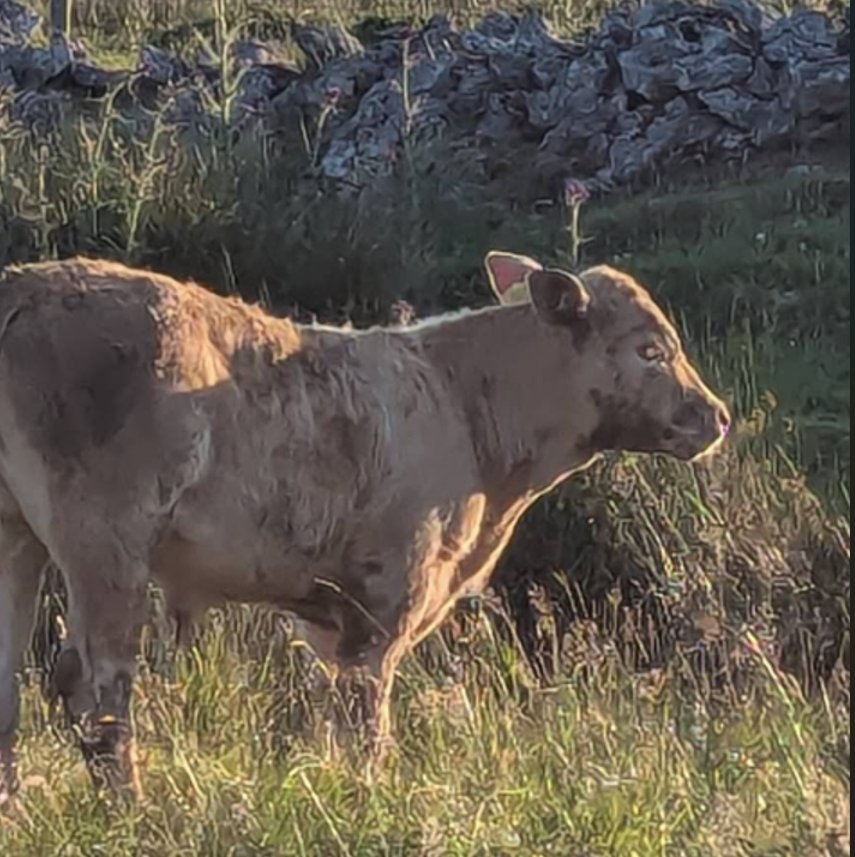
Pedigree breeders in ROI often trade breeding bulls and heifers as well as breeding sheep with breeders located in Britain and vice versa, but current trade restrictions as a result of BTV has ruled out direct trade between the two destinations.
Livestock breeders in NI can still trade breeding livestock with GB, subject to certain requirements.
In light of the situation, Agriland asked DAFM for a situation update on the trade of livestock between ROI and GB.
Exports from ROI to GB
In reply, DAFM said that certification requirements for the movement of livestock to Great Britain is determined "unilaterally by their relevant competent authority".
"Cattle and sheep from Ireland, currently cannot meet the veterinary health certificate requirements for export to Great Britain."
DAFM also said that it "does not have any specific information regarding when this situation may change".
Livestock imports from GB to ROI
Explaining the situation with livestock imports from GB to ROI, DAFM said: "Imports of cattle into Ireland are subject to strict animal health control measures.
"Every consignment must be accompanied by an official veterinary health certificate completed and signed by an authorised official veterinarian, certifying that the animals meet EU animal health requirements before entry."
"Great Britain is a third (non-EU) country meaning imports from Great Britain are certified in accordance with the requirements of the EU Import Certificate (2025/544 (2021/403) Model BOV-X).
"Due to current options for compliance with bluetongue requirements of this certificate, consignments of bovines originating from Great Britain cannot meet the animal health requirements of the certificate. Therefore, the import of cattle from Great Britain into Ireland is currently not possible."
Commenting on progress on the trade issue, DAFM said that the UK and EU "are currently negotiating a Sanitary and Phytosanitary (SPS) agreement aimed at reducing trade friction in agri‑food, plant and animal products".
Commenting on the progress on this, DAFM said: "Talks formally commenced in late 2025 and are ongoing.
"While negotiations are ongoing, the outcome and timeline of any potential for amendments to veterinary health certificates remains uncertain."
Stay tuned to Agriland for further updates on BTV regulations relating to the current trade of Irish livestock with other countries and vice versa.