MEPs back modernised EU-Mexico trade deal


MEPs have today (Wednesday, July 8) backed the EU-Mexico Modernised Global Agreement (MGA).
This agreement will replace the current framework, in place since 2000.
Mexico is the EU’s second-largest trading Latin American partner.
The EU is Mexico’s third-largest trading partner and second-largest export market after the US.
MEPs vote
MEPs have given their green light to two agreements paving the way for closer political ties and expanded trade between EU and Mexico.
MEPs today endorsed the modernised agreement in a vote in the European Parliament, with 479 votes to 119, with 65 abstentions.
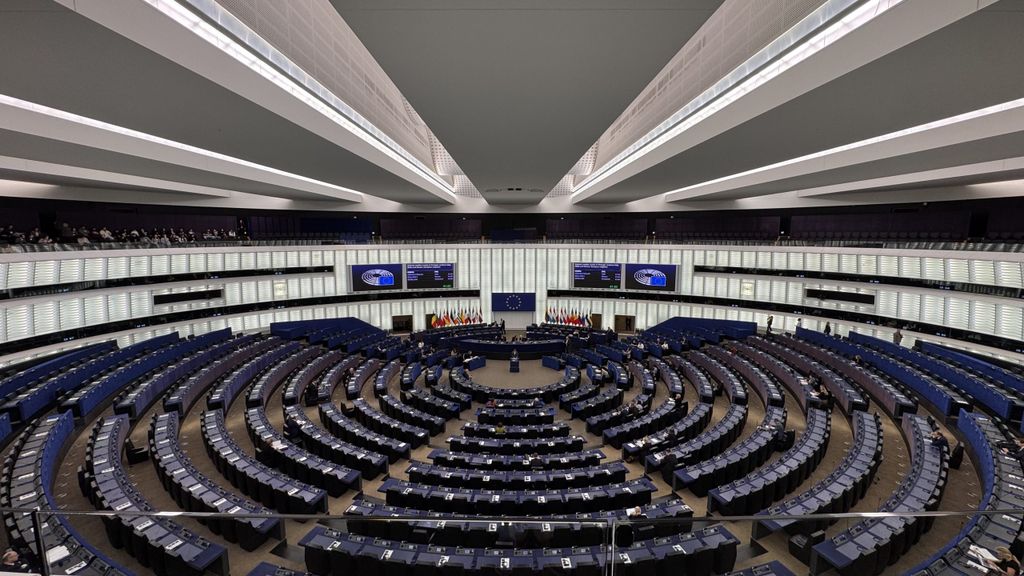
The interim trade agreement, approved by 474 votes to 131, with 60 abstentions, covers the trade parts of the deal that are an exclusive EU competence, such as customs duties, the protection of EU innovations and traditional products, and access to Mexican public tenders.
It will allow for the updated trade arrangements to apply earlier, without waiting for all EU member states to ratify the MGA.
The interim trade deal will expire and be replaced by the MGA once it enters fully into force.
Agri-food products
In the resolution accompanying the MGA, adopted by 388 votes to 161, with 120 abstentions, MEPs stressed that under the "most ambitious scenario", total EU exports of goods and services could increase by 75%, while EU companies could save up to €100 million annually in customs duties.
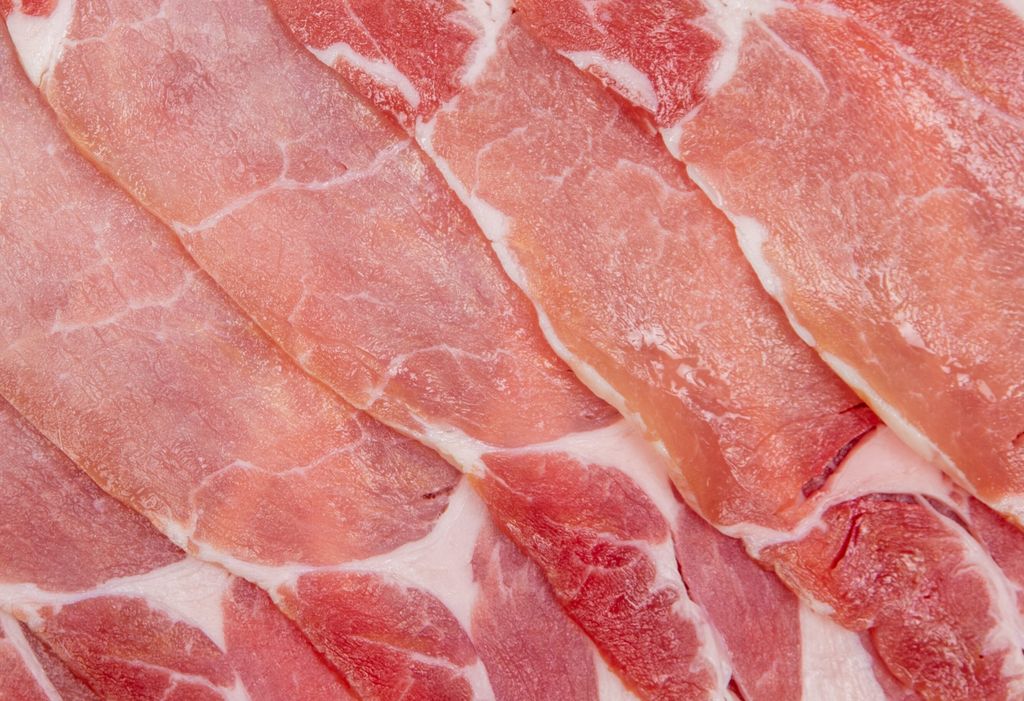
The parliament noted that the agreement would remove almost all remaining tariffs, benefitting EU farmers and agri-food exporters, as Mexican tariffs imposed on products such as cheese and pork currently reach up to 45%.
568 EU geographical indications for traditional agri-food products will be protected in Mexico, making it illegal to sell imitations of distinctive EU regional food and drink specialities.
Now that the European Parliament has given its consent, the Council of the EU will be able to formally conclude the MGA, after which the agreement will need to be ratified by all EU member states and Mexico before entering fully into force.
The council will also be able to conclude the interim trade agreement, which will enter into force on the first day of the second month following the date on which the EU and Mexico notify each other of the completion of their internal procedures.
Dairy sector welcomes vote on Mexico deal
European dairy trade association Eucolait has welcomed today's vote on the agreement.
Eucolait said this marks an "important step towards the application of a modern trade framework that will create new opportunities for the European dairy sector".
"At a time of growing geopolitical uncertainty, the agreement sends a strong signal in favour of open, rules-based trade and deeper cooperation with a trusted partner," it said.
"It also contributes to the diversification of EU export markets, strengthening the resilience and long-term growth of the European dairy sector."
The parliament’s approval marks the successful conclusion of a long process, Eucolait said.
Negotiations on the modernised framework were concluded in January 2026, almost seven years after an agreement in principle was first announced and 25 years after the original EU-Mexico Partnership Agreement entered into force.

Eucolait said Mexico is an "attractive and growing market" for European dairy exporters.
"With a population of more than 130 million and rising demand for high-quality dairy products, the country offers significant opportunities for EU suppliers," it said.
"Dairy exports from the EU to Mexico, led by cheese, casein and infant formula, already exceed €250 million annually.
"The modernised agreement delivers meaningful market access opportunities for EU dairy products."
Cooperation
The agreement provides duty-free tariff rate quotas for key export products, including cheese and milk powders, while products such as yoghurt and blue cheese will benefit from full duty-free access.
The practical administration of these "will be crucial to ensure that exporters can make full use of the agreed concessions", Eucolait said.
"Beyond tariff liberalisation, the agreement is expected to facilitate regulatory cooperation, help address technical and sanitary barriers to trade, and strengthen collaboration on sustainability," the association added.
"Eucolait looks forward to the swift ratification of the agreements and their subsequent entry into force, possibly as early as December 1, 2026."
Monitoring
Copa Cogeca, which represents farmers and agricultural co-operatives across the EU, said that the agreement has the potential to strengthen EU agri-food exports and regulatory cooperation.
"Delivering on that potential, however, will require effective implementation, robust enforcement and careful monitoring of its impact on sensitive agricultural sectors," it said.
"The agreement offers further export potential for European agriculture while strengthening regulatory cooperation and the protection of EU geographical indications.
"At the same time, its successful implementation will depend on ensuring that market opening becomes effective and that commitments are enforced."
Copa Cogeca has called on the European Commission and the Mexican authorities to ensure the effective protection of geographical indications, deliver measurable cooperation on sanitary and phytosanitary measures, animal health and animal welfare.
It also urges the close monitoring of tariff-rate quotas and their cumulative impact on sensitive agricultural sectors.