Less than 3 weeks remaining for farms to spread chemical fertiliser

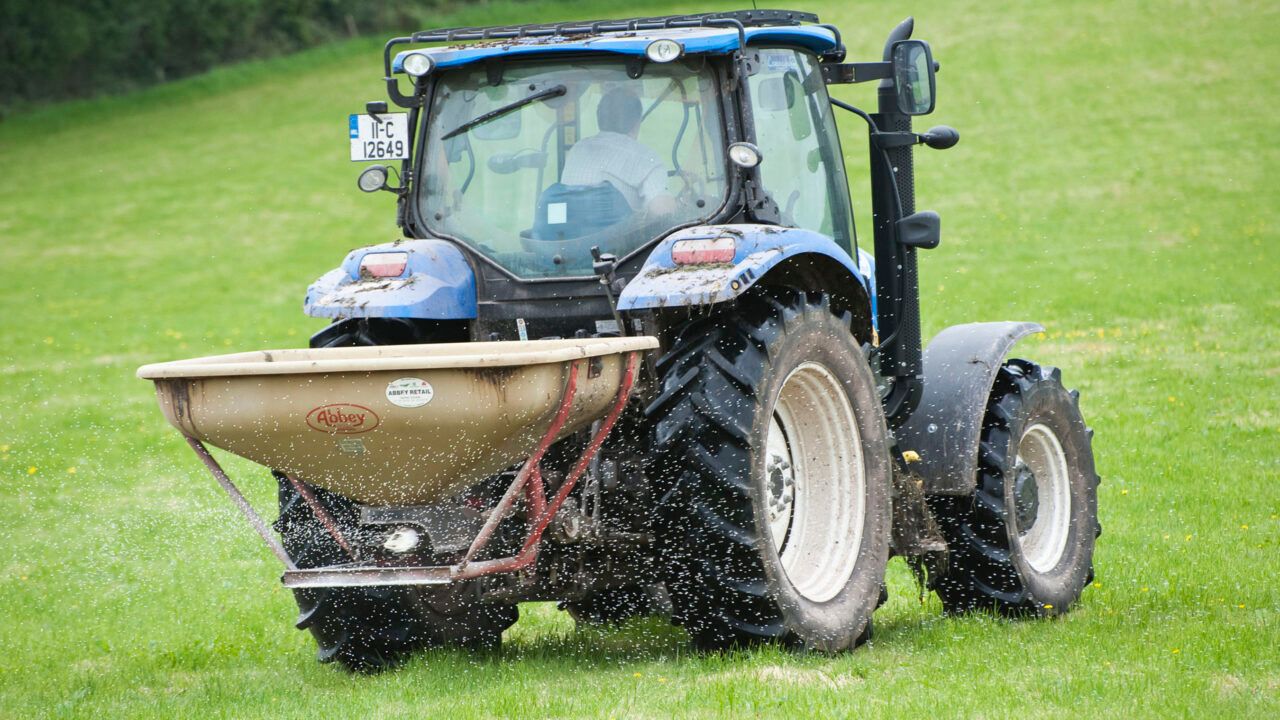
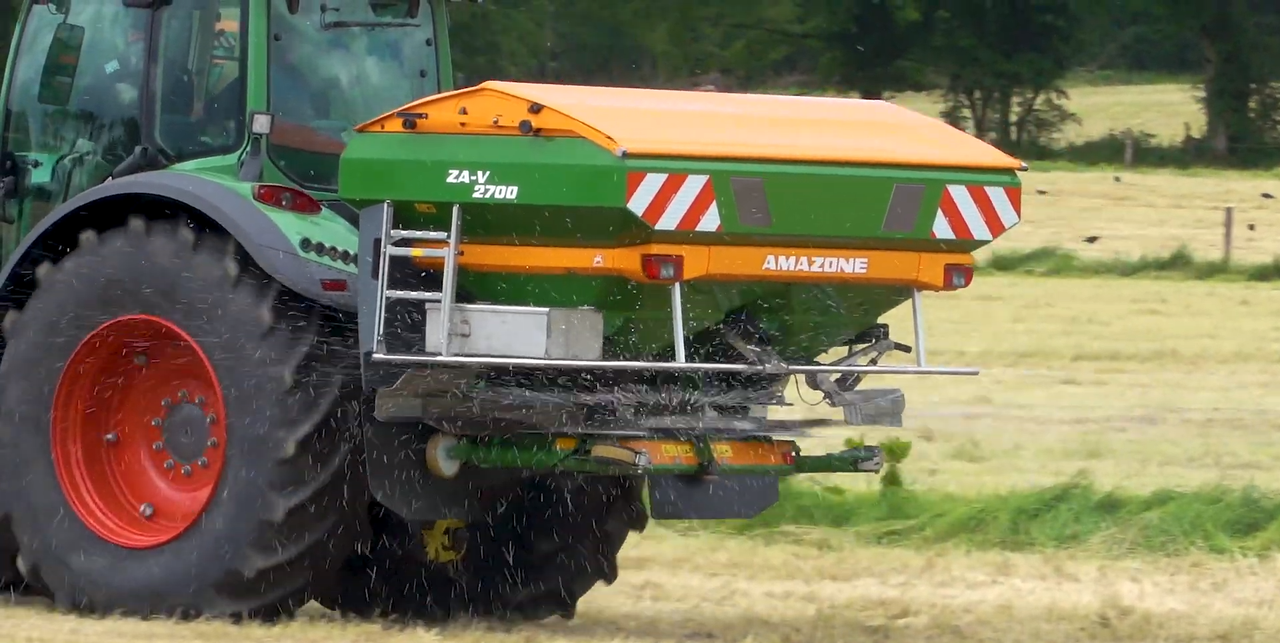
Farmers are being reminded that there are less than three weeks remaining to spread chemical fertiliser before the prohibited application period begins on September 15.
Some farms in drier parts of the country have not spread chemical fertiliser since June in cases, due to the high soil moisture deficits and subsequent lack of grass growth.
Many of these farms that would normally be utilising high volumes of grass during summer have had to substitute grass with silage, hay, straw, and other concentrate feeds.
Most of these drier parts of the country have had some rainfall in the past few days and where sufficient rainfall has occurred, soil conditions may be more suitable for a fertiliser application before the deadline.
The table below details storage periods for livestock manure and prohibited periods for spreading fertilisers and organic manures:
| Zone | Storage periods | Prohibited chemical fertiliser (nitrogen and phosphorus) dates | Organic fertilisers (other than FYM) | Farmyard manure (FYM) |
|---|---|---|---|---|
| Zone A | 16 weeks | September 15 – January 26 | October 1 – January 12 | November 1 – January 12 |
| Zone B | 18 weeks | September 15 – January 29 | October 1 – January 15 | November 1 – January 15 |
| Zone C (Donegal, Leitrim) | 20 weeks | September 15 – February 14 | October 1 – January 31 | November 1 - January 31 |
| Zone C (Cavan, Monaghan) | 22 weeks | September 15 – February 14 | October 1 – January 31 | November 1 – January 31 |
Farmers have until the end of September to spread slurry and until the end of October to spread farm yard manure. Soiled water can not be spread in the month of December.
Where farms have had to feed out silage due to the dry spell this summer, a fodder budget should be completed so farms know what position they are in heading into winter.
Where farms are concerned that winter fodder supplies may be low, it is better to act in a timely manner.
As the old saying goes regarding fodder supplies in the yard: "It is better looking at it than looking for it".