Keeping on top of biosecurity to prevent Johne's disease

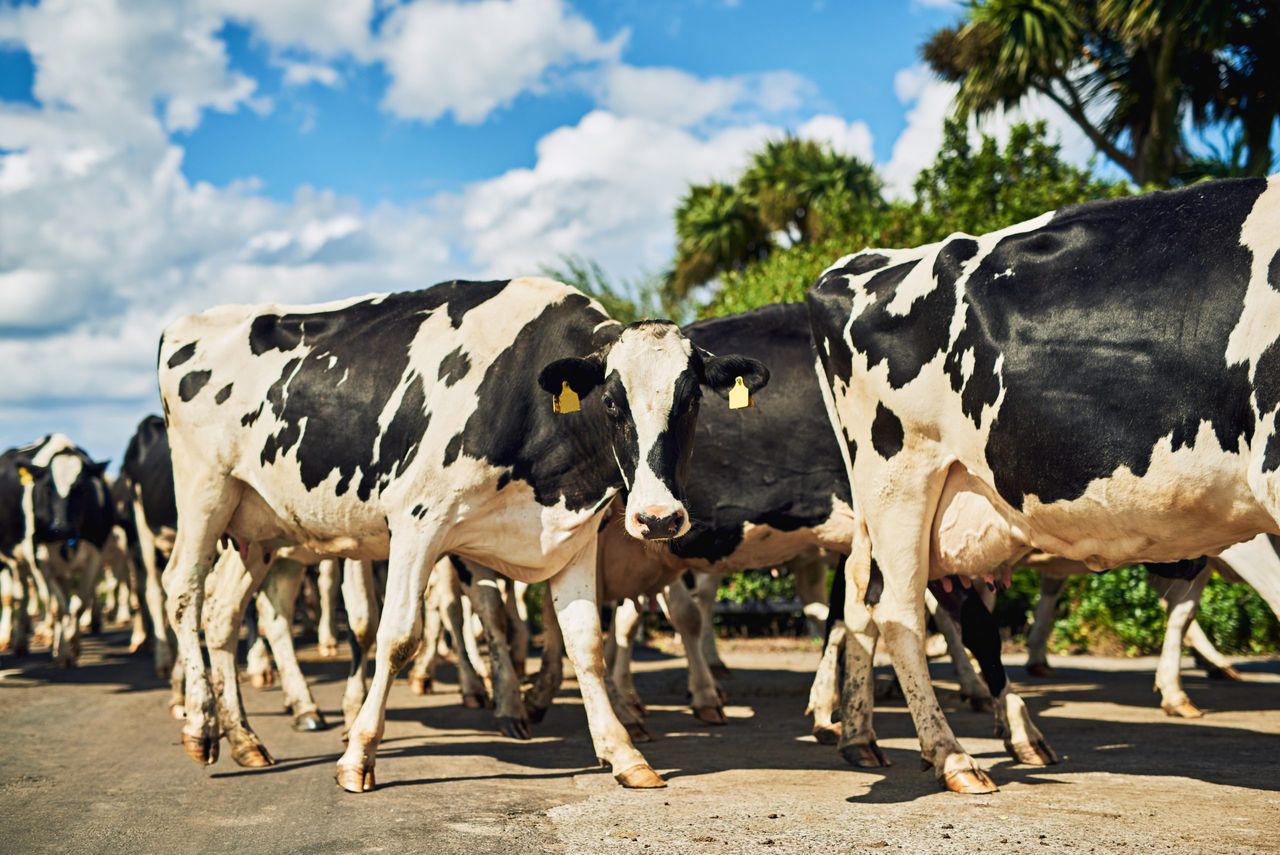
Johne's disease is a bacterial disease that can devastate herds, as there is no cure currently available for the disease.
Johne's is caused by paratuberculosis, a subspecies of Mycobacterium avium, which is related to the infectious organism that causes tuberculosis (TB).
The disease causes chronic diarrhoea, weight loss, infertility, and considering that there is little chance of recovery from an infection, it often proves fatal.
The infection has become increasingly common in Irish dairy herds in the past number of years.
These herds experience a significant reduction in milk yields before any other symptoms are displayed, making it difficult for farmers to spot or diagnose an outbreak.
If a farm has poor management control, the contagious disease will spread silently, making it extremely difficult to detect and terminate the outbreak.
Good biosecurity measures are crucial in preventing the disease from entering the herd, as well as slowing or preventing the spread after infection.
Johne's spread
Much like TB, the silent spread of Johne's is what makes it so hard to control.
An animal may seem healthy and can even show negative results for the disease in their bloods, yet they may be releasing large amounts of the contagious paratuberculosis bacteria in their faeces, letting the disease spread throughout the herd.
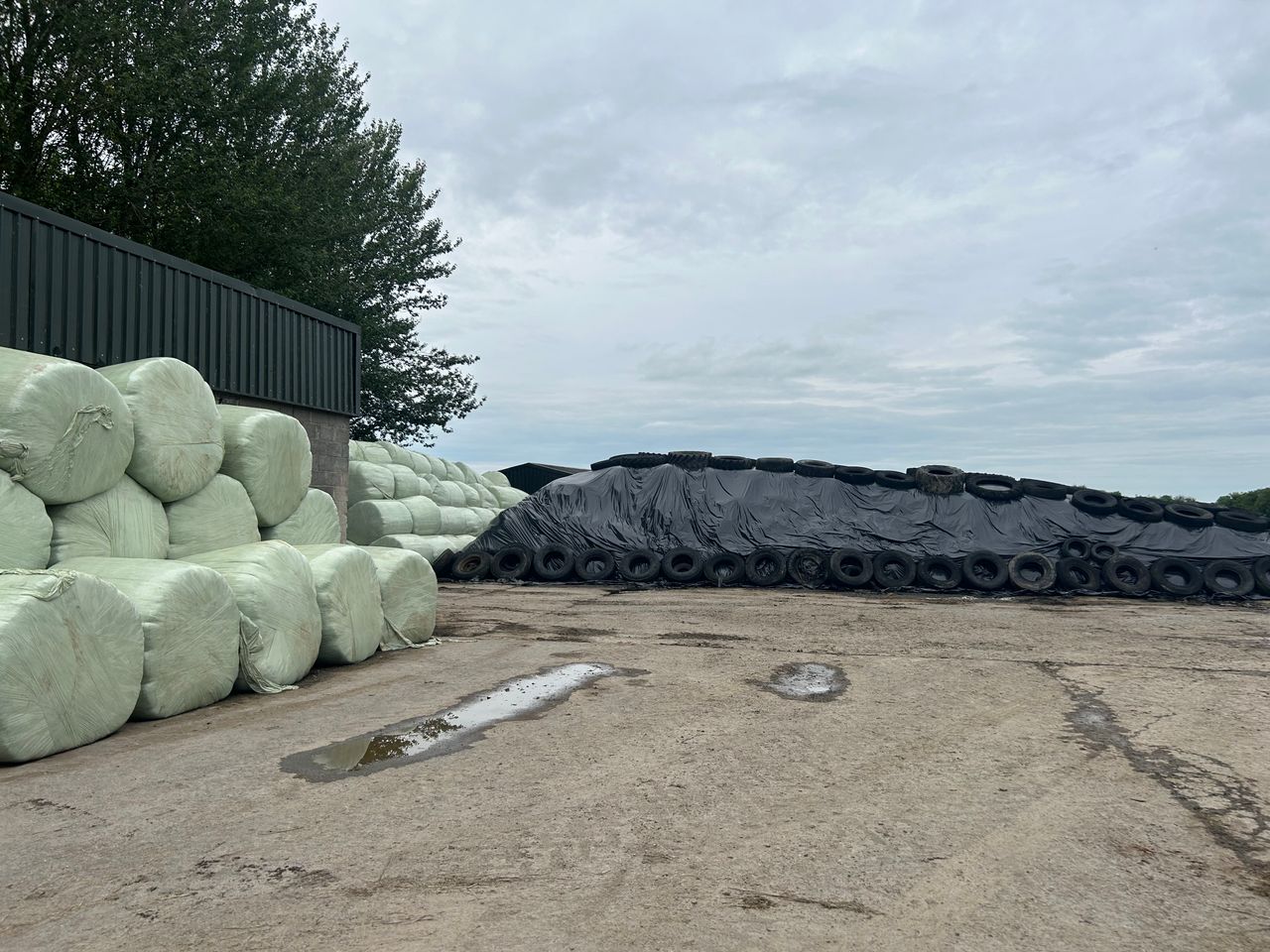
This puts farms that import slurry or manure at risk of bringing the bacteria onto farm.
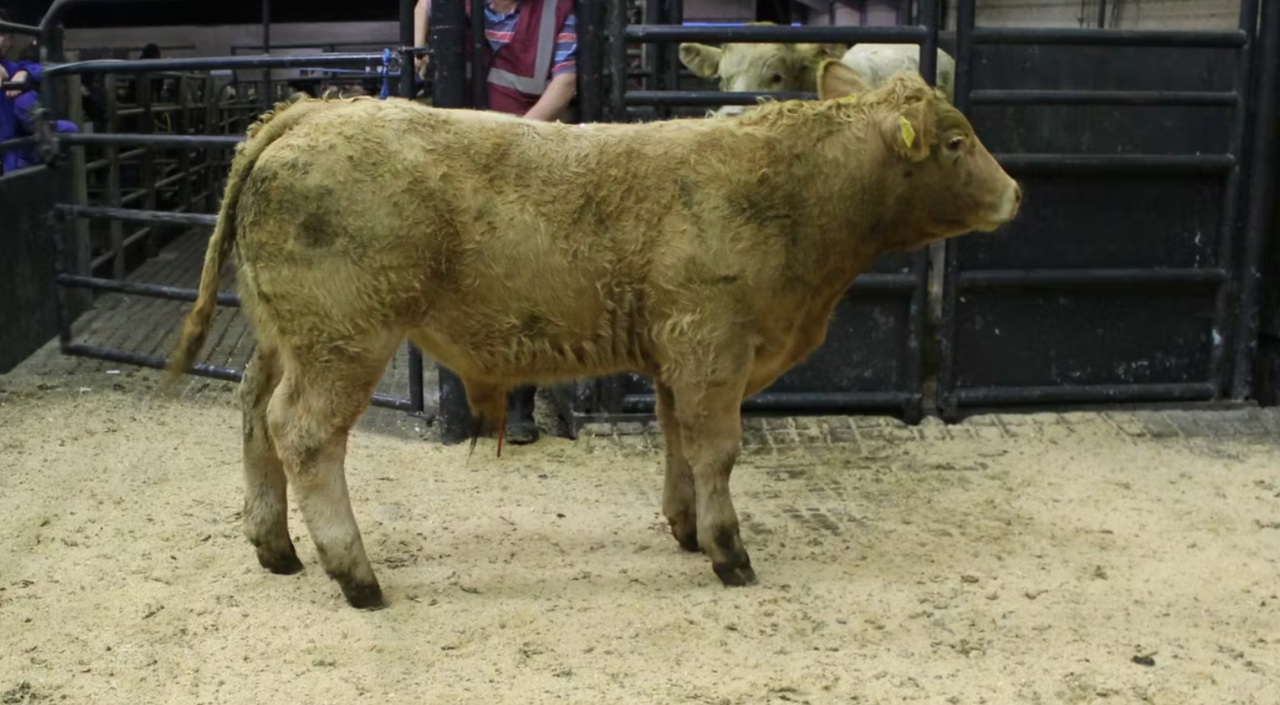
The same risks are there for calves being contract reared, animals attending shows or marts, or animals being bought externally.
Bacteria can also enter the farm from dung on vehicles and equipment of visitors or contractors, so stringent biosecurity is essential.
Biosecurity
We often see biosecurity ramp up when farms are locked up with other diseases such as TB, but in reality, strict measures should be in place consistently to keep these type of diseases out.
'Closed herds' have the best chance of not bringing the disease in, so farmers should reduce the number of bought-in animals, or source animals from low-risk herds that have shown negative blood test results for several years.
Farms that do buy in stock need to ensure proper isolation pens are in place for at least 30 days, and should consider doing blood tests before the animals start to mix.
Despite not being 100% accurate, blood tests are the best method of picking up early stages of Johne's disease, therefore farmers should even consider annual testing.
Slurry and manure imports should be minimised or avoided. If importing slurry, avoid grazing pastures that have been recently spread with the substance.
If you have animals grazing off farm - for example, contract reared calves - ensure the contractor has good biosecurity measures in place, and has low risk animals on farm.
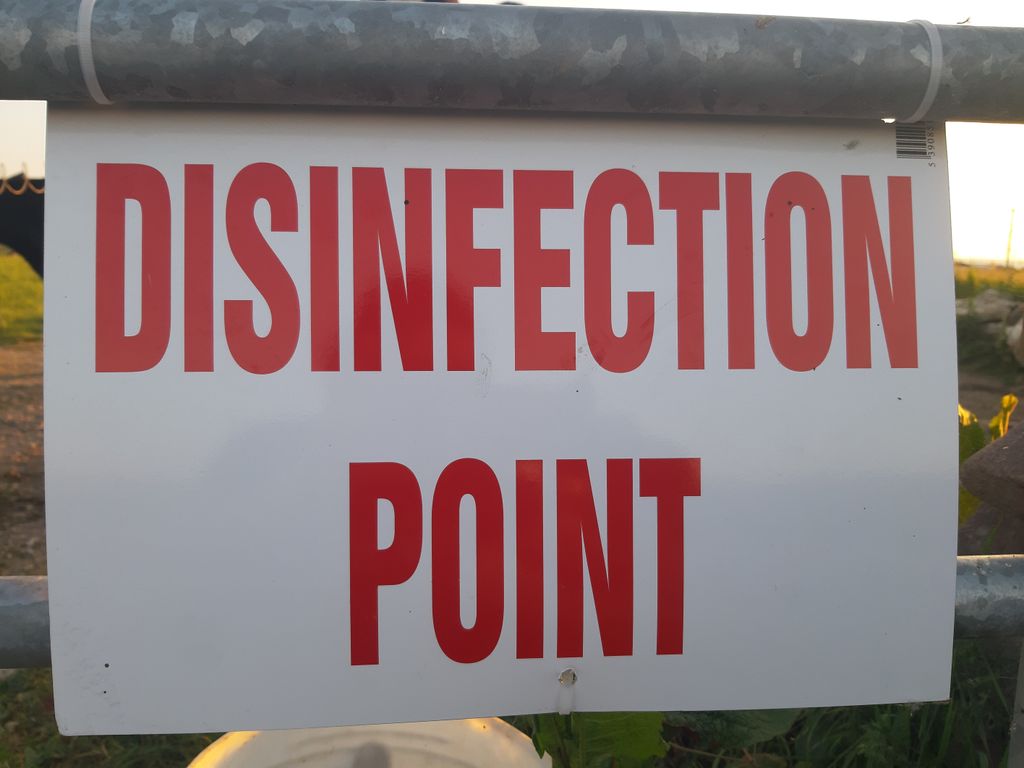
Make sure visitors and contractors have clean equipment and boots when on the farm, and provide disinfectant baths for visitors.
The disease can also spread through water, therefore your herd should be drinking from the mains if possible.
However, many farms use private sources, such as wells. When supplying animals with this water, it should be tested regularly for paratuberculosis.
Farms should also fence off stagnant water sources, such as ponds, as these are perfect grounds for this organism to live in, as well as ensuring boundary fencing is in good condition.