Irrigation availability driving potato yield and quality in 2026

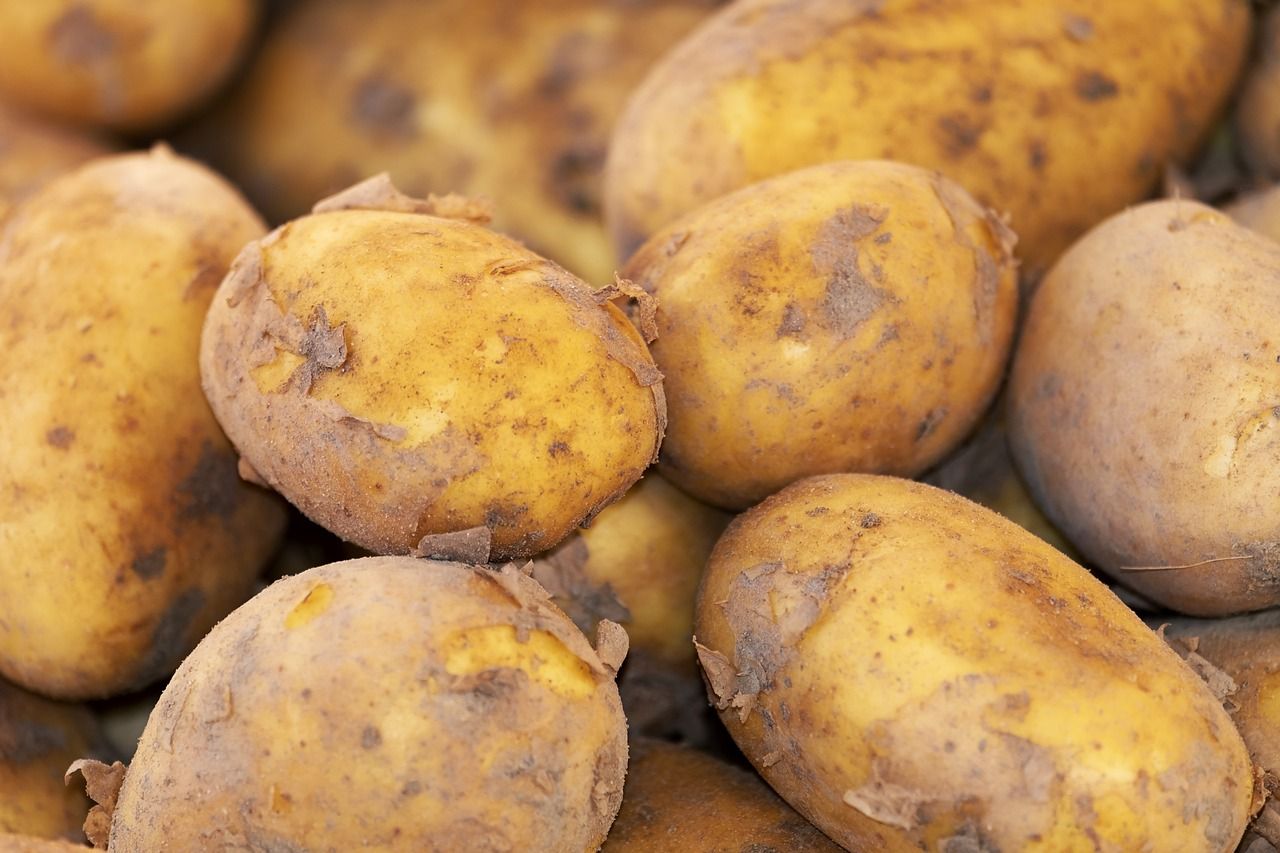
Irrigation availability has been the key factor in determining both the yield and quality of potato crops grown in Ireland this year.
Teagasc potato specialist, Shay Phelan, commented: “I have walked a number of potato crops over recent days. And a clear trend is emerging.
“Those that were irrigated sufficiently during the drought are yielding well and tuber quality is excellent.
“The potatoes that they finally produce will be very suitable for the supermarket trade.”
However, he noted that many crops that were not irrigated "have now started to senesce with skin set now taking place".
“Here, yields will be poor and it’s hard to work out what segment of the market, if any, they will be suitable for.”
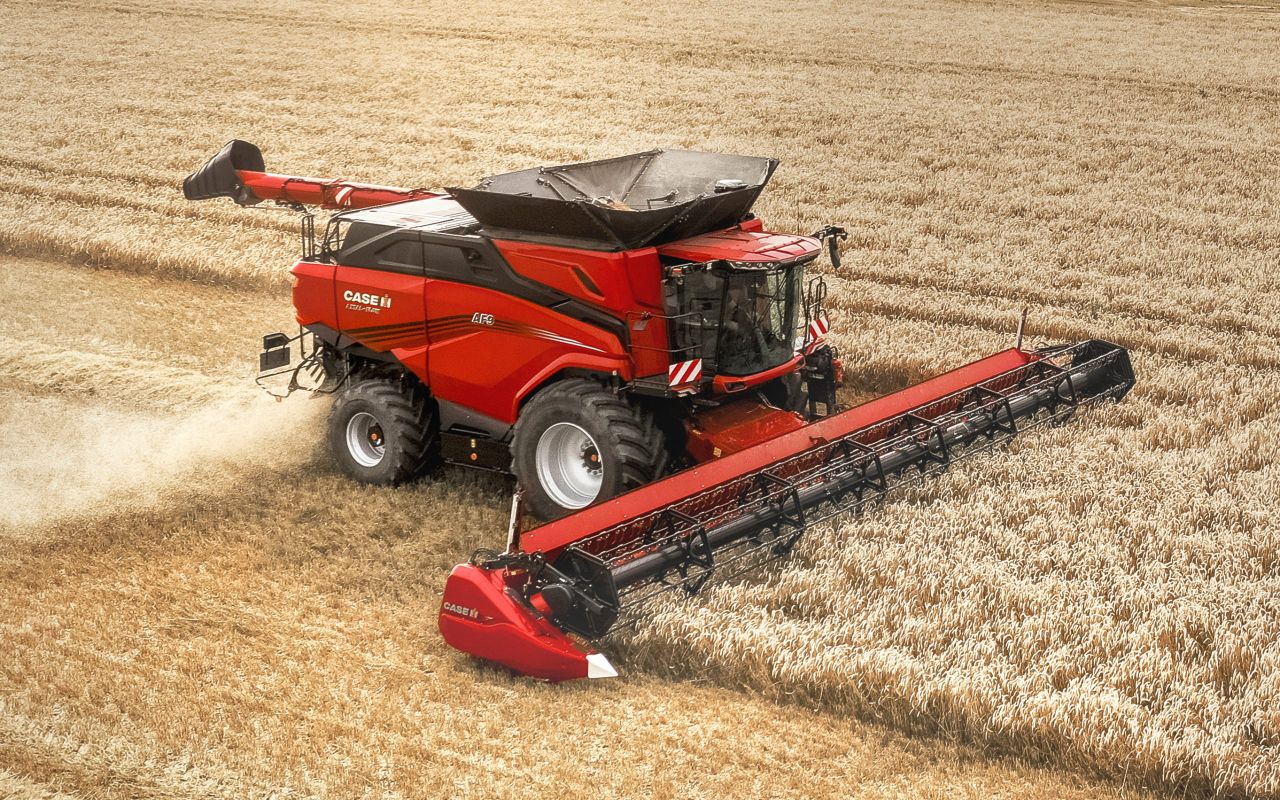
Meanwhile the 2026 grain harvest continues apace, with yields across the country well down on previous years.
The telling factor in this regard has been the continuing dry conditions that have impacted Ireland since the beginning of June.
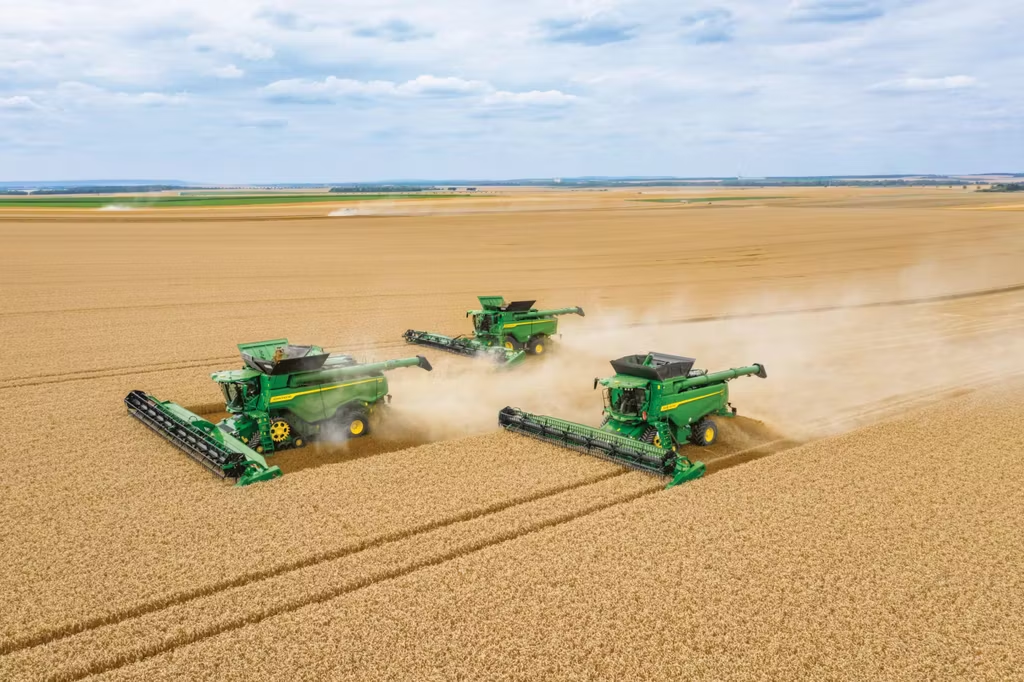
As a consequence, crops were harvested much earlier than would normally be the case.
Phelan explained: “The harvest is around 90% wrapped up in many parts of the country, particularly in the south and east.
“Spring barley remains the main cereal crops yet to be combined.”
Significantly, the spring bean harvest is underway in some parts of the country.
And, as the Teagasc representative pointed out, disappointing yields are the order of the day here again.
“Beans were badly affected by the drought with many plants not fully pollinated. Early yield figures are coming in at below 2t/ac."
Adding to tillage farmers’ frustration levels is the fact that grain prices have not started to strengthen despite cereal yields being impacted badly across Europe.
Phelan said: “As a consequence, tillage farmers in Ireland are now dealing with a perfect storm: low yields, poor prices and high input costs.
“Only those farmers who implemented low cost production systems have any hope of salvaging something from the 2025/2026 growing season.”
Oilseed rape
Drilling oilseed rape crops is the next scheduled task for tillage farmers.
“But this won’t happen until meaningful rain arrives and soil moisture deficits ease.
“Growers who had no option but to sow cover crops before August 1 are extremely concerned about the germination rates they will achieve.
In many parts of the country they were drilling crops into bone-dry soils.”