Invasive plants having detrimental effect on organic farms - DAFM

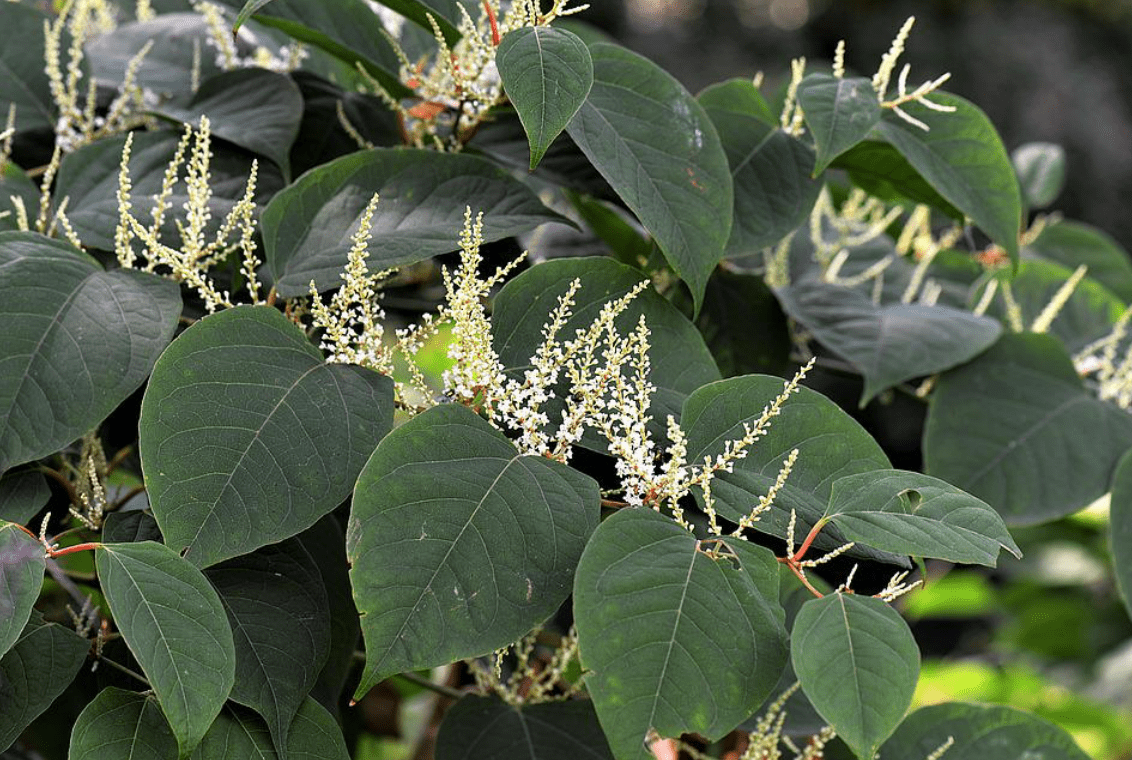
The Department of Agriculture, Food and the Marine (DAFM) has updated organic production rules for the control of invasive plant species on farms.
The department said that invasive plant species are having a "detrimental effect" on many organic farms.
It added that mechanical control methods in some cases are contributing to the proliferation of these plant species and are "no longer a viable option".
Organic
DAFM said that in cases where mechanical, approved biological control and other methods have been exhausted, "the only treatment that may have a positive effect involves the use of substances that are prohibited for use on organic farms".
EU organic regulations recognise that treatment for invasive plant species by prohibited products may be necessary as part of a compulsory control measure.
However, there is a requirement that the land in question must re-enter conversion for a period to be determined by DAFM.
In a notice to organic farmers, organic control bodies and farm advisors, the department outlined that plant protection products may be used in the treatment of aggressive invasivesplant species on organic lands under the following conditions:
- This landscape action requires a management plan recommended by an experienced and qualified ecologist and a derogation must be sought from DAFM via the organic certification body (OCB). No treatment can take place until the derogation has been approved by the DAFM;
- The management plan must contain a site-specific plan for the farm that clearly outlines the area and LPIS parcel number(s) to be treated and the invasive plant species to be managed. These parcels must be clearly marked on a map;
- An overview of mechanical and approved biological controls methods already undertaken must be provided;
- The plan must also provide details naming the chemical(s) to be used and information describing how the chemical(s) will be applied including the method of application and rates to be applied. These pesticide details must be recommended by a DAFM approved pesticide advisor;
- A maximum of 5% of the holding per calendar year can be treated;
- The derogation request to DAFM must include details on the storage of these plant protection products on the organic holding.
Once the treatment has taken place, this land area will re-enter conversion for a period, specified as follows:
- For lowland farms: Where possible the area should be fenced off to include a 10-metre exclusion zone with no access for stock for a period of 6 months. A further 6 months conversion period will then apply. Land will then revert back to organic status 12 months post treatment;
- For commonage areas: Stock should not have access to the commonage for a 12-month period of time. It is advisable to notify the other organic farmers who are farming this commonage as this recommendation is applicable to them also.
The department noted that in-conversion top-up payment cannot be received twice on the same parcel (area) of land.
More information and guidance on alien invasive plant species can be found on the DAFM website.