Holly is one of Ireland's most familiar native trees

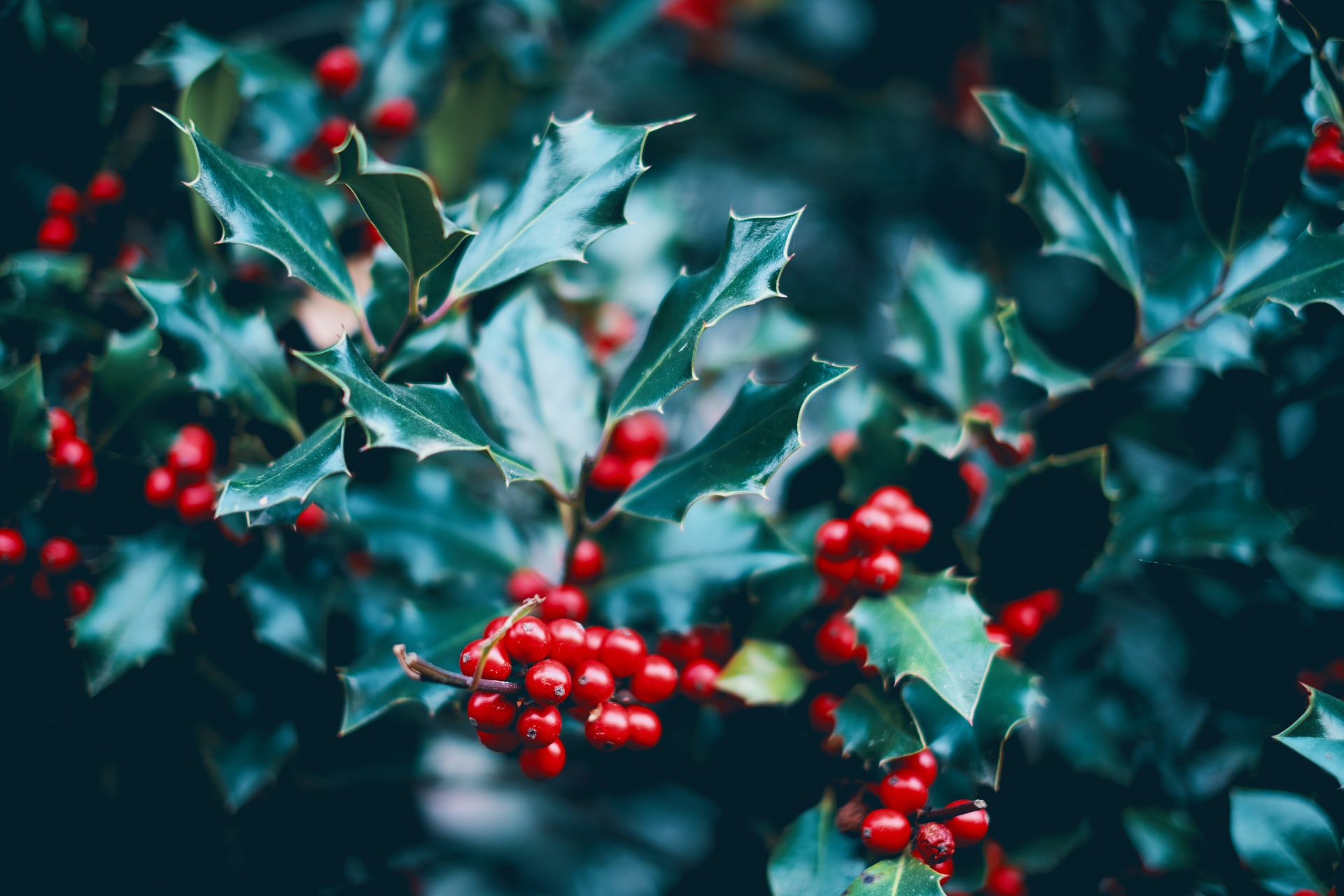
With its glossy green foliage and radiant red berries, holly is one of Ireland's most familiar and easily recognisable native trees and has deep roots in Irish folklore and Celtic tradition.
Tom Houlihan of Teagasc's forestry development department has explained that holly has long been associated with magical powers, protection and purification.
"It has also been a symbol of life during winter, and its symbolic and decorative uses extend back to pre-Christian times," according to Houlihan.
Holly is a resilient native tree
Holly can grow in a range of soils but does best in well-drained, slightly acidic soils.
"It is a fairly slow-growing, long-lived tree resilient in exposed growing conditions," Houlihan said.
"It is very well adapted to growing in partial shade.
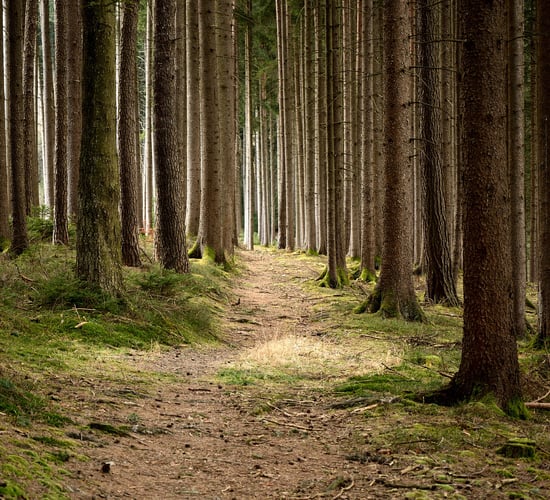
"Due to this very useful faculty, holly is an important component in some of our oldest native woodlands, often found under the main tree canopy.
"Certain woodland tree species live together in harmony."
While holly is tolerant of shade, berry production is best when the tree has access to reasonable sunlight.
In heavy shade, plants may grow well but berry production may be limited.
Support to many species
While the holly tree is a favourite at Christmas time, it provides valuable supports to many species, Houlihan continued.
"Holly trees are widely distributed in the countryside, as components in rural hedges and as individual trees," Houlihan explained.
"Holly flowers are a rich and important source of nectar and pollen in early summer for a range of pollinators including a number of bee species.
"The caterpillars of the holly blue butterfly rely on the flower buds of holly as a primary food source in spring.
"The larval stage of the holly leaf miner fly is the only species of fly in Ireland whose larvae mine and feed on holly leaves, creating distinctive blotches.
"Various moth species also feed happily on holly leaves."
Refuge
As a hardy evergreen, it also provides excellent shelter and refuge for birds such as robins and wrens, as well as small mammals.
"The dense branches of holly provide natural protection from the elements and nesting/roosting sites for birds," Houlihan explained.
"Its winter berries provide a nutritious food source for birds such as thrushes and blackbirds, particularly when winter frosts have made the berries soft and palatable.
"Visiting thrush species such as redwings arrive from northern Europe and feed on fruits and berries including those of holly.
"This feeding in turn helps to disperse the seeds within the berries via their droppings, aiding the plant's reproduction."
According to Houlihan, it was used as a source of fodder for animals such as goats and pigs in olden days.
He said it is also reported in old Irish folklore that the leaves of holly (specifically male holly) contain an antidote power that may be effective against the fungal spores of ringworm.
"Having holly boughs hanging from the roof of stock sheds over where they are feeding is still a practice on some farms," he added.