Group schemes call on rural communities to conserve water

The national body for community-owned local water schemes has called on people living in rural areas to conserve water during the current dry spell.
The National Federation of Group Water Schemes (NFGWS) said it is encouraging group water scheme members and rural households across Ireland to "take important steps" to reduce water usage.
The body said that the current prolonged dry spell can place significant pressure on drinking water supplies.
Following several weeks of warm, dry weather and below-average rainfall, water demand has risen sharply across many rural communities.
Increased water consumption is placing additional demands on group water scheme supply systems, the NFGWS said.
It added that the capacity of treatment plants and the availability and quality of source water can both be affected during periods of sustained demand and challenging weather conditions.
Despite maximising production, some group water schemes can find it difficult to replenish storage reservoirs overnight, due to the sustained high levels of demand.
Increased demand for water
According to the NFGWS, the increase in demand can be driven by a number of factors, including higher household consumption, garden watering, outdoor cleaning activities, and increased livestock water requirements.
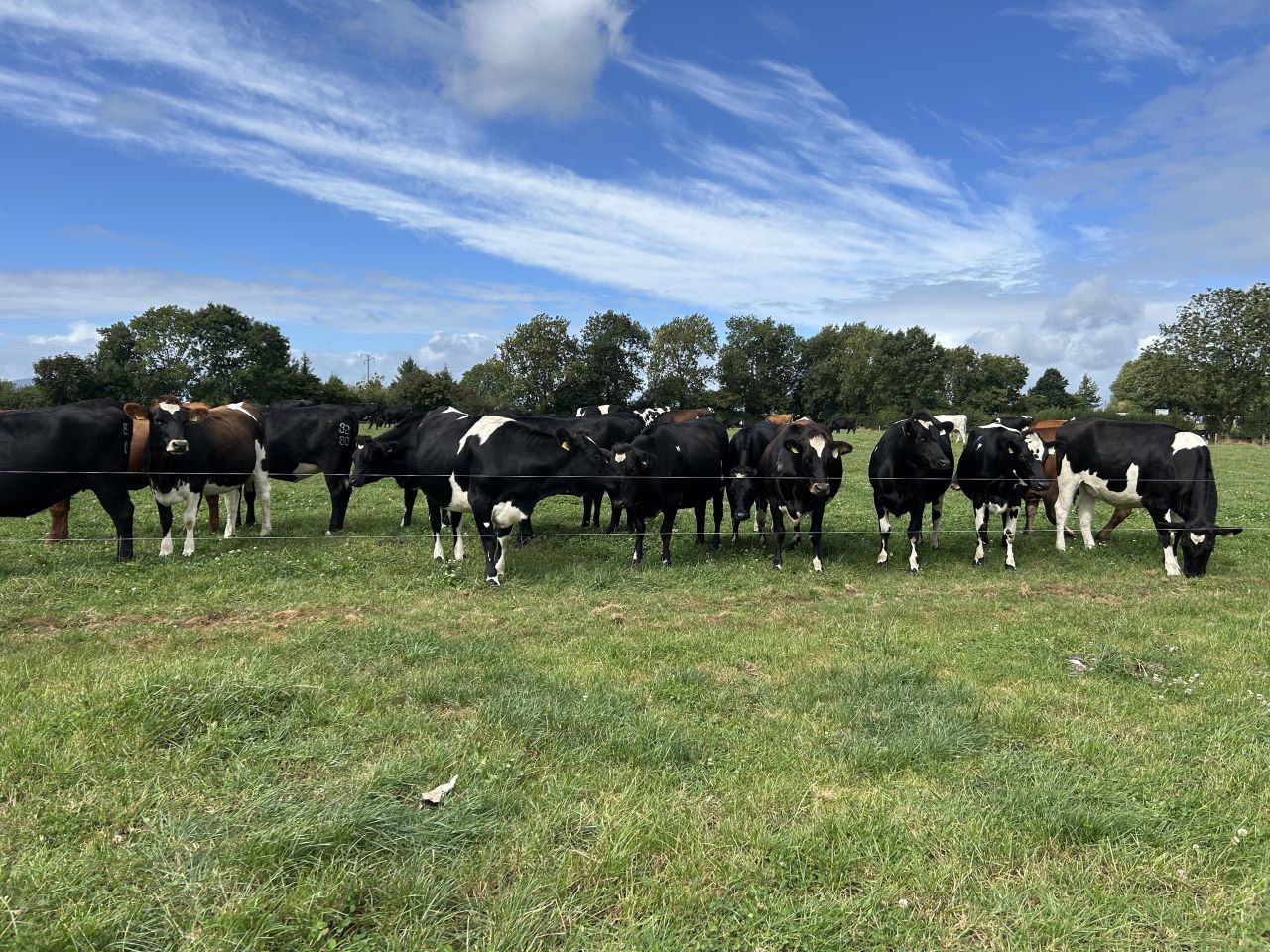
Livestock particularly can require "substantially higher volumes" of drinking water during periods of heat stress, placing additional pressure on community water supplies, the organisation said.
Current weather forecasts indicate that dry and settled conditions are likely to persist in many parts of the country in the coming days.
As a result, reservoirs in some areas may take longer to replenish.
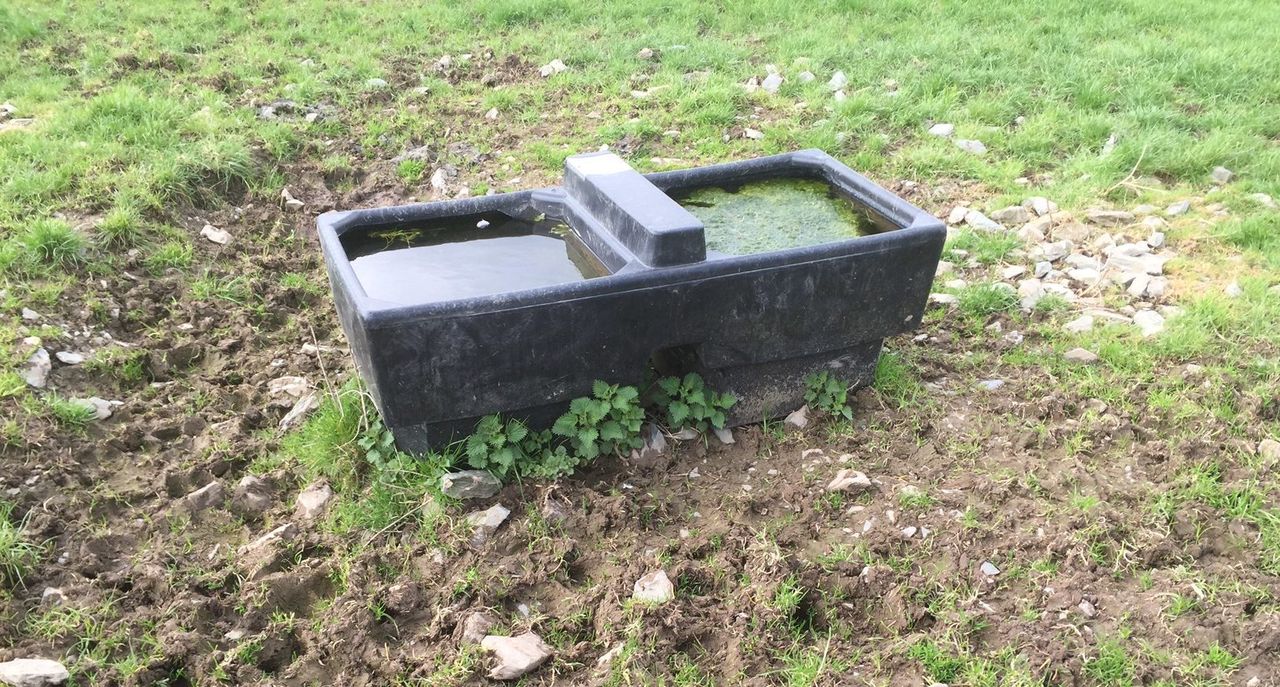
The NFGWS has asked water users to take a number of steps, including fixing leaks quickly in taps, pipes, tanks and livestock water troughs, as these could be "wasting thousands of litres of water".
Farmers should also ensure that troughs, ballcocks and drinking systems are working properly, and that these systems are not overflowing.
More generally, people should consider keeping a jug of water in the fridge rather than letting taps run; avoid non-essential water use like power washing and excessive garden watering; using a watering can instead of a hose; and reporting public leaks without delay.
Commenting on the situation, Mark Farrelly, CEO of the NFGWS, said: "We are encouraging households, farms and businesses across rural Ireland to use water wisely and help maintain a reliable supply for their local communities.
"Water demand tends to spike during warm, dry periods. Higher water demand reduces the amount of water available in drinking water sources; places extra strain on water treatment systems; leaves less time for reservoirs to replenish; and can result in lower water pressure for members across the network," Farrelly added.
"Group water schemes are community-owned and community-managed, meaning every member has a role to play in protecting local water supplies."
"By reducing unnecessary water use during this prolonged dry spell, every household, farm and business connected to a scheme can help ease pressure on their schemes, [and] safeguard supplies for all homes and rural businesses throughout the summer," the NFGWS CEO said.
The organisation said it will continue to monitor conditions closely and work with member schemes nationwide to safeguard drinking water supplies.