What weight should your weanling heifers be by now?

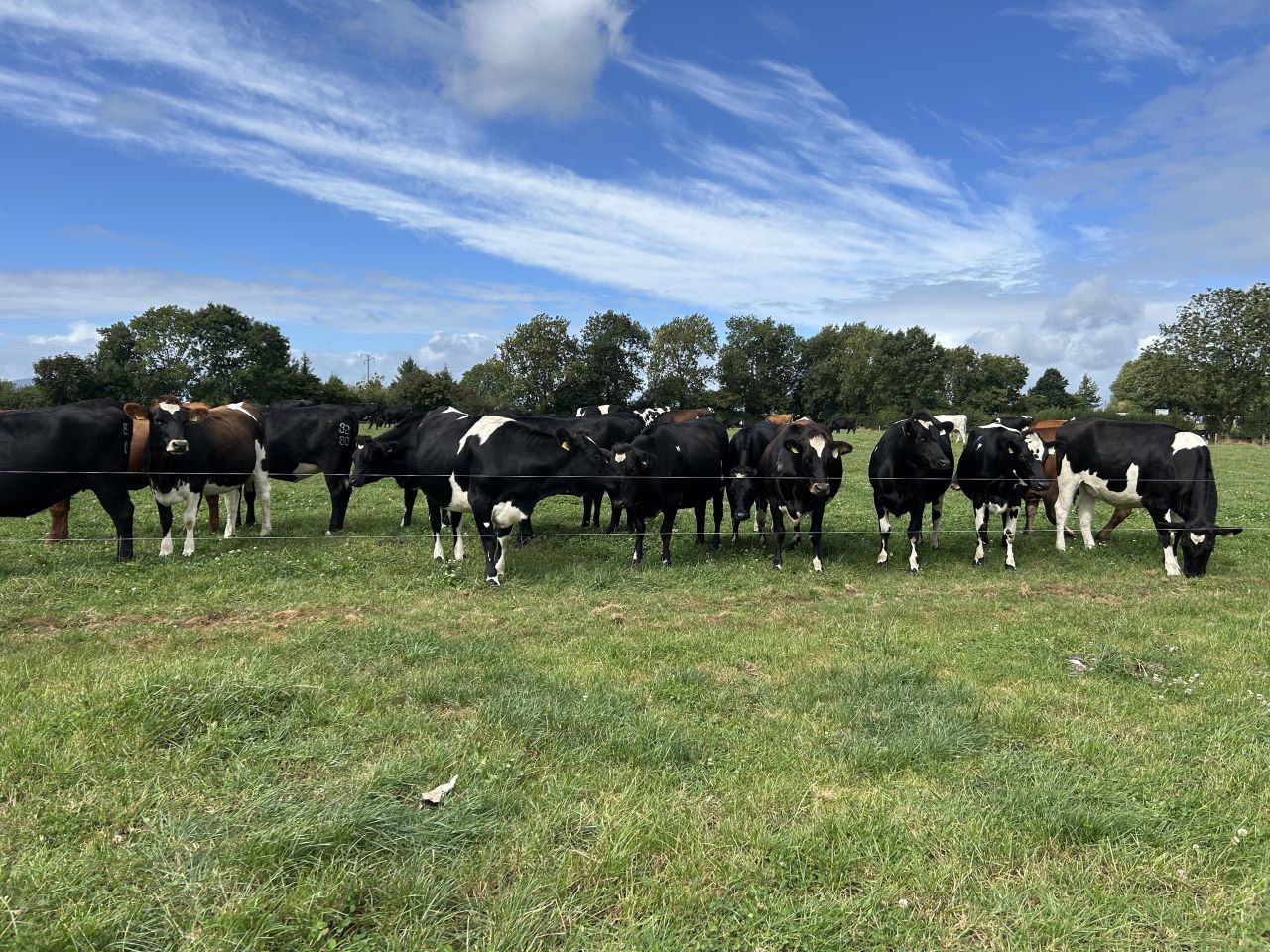
During the mid-season, it is well worth weighing heifers born in late January and early February as they approach the six-month mark.
The majority of farms often never weigh heifers, as it can take time and effort getting them into the yard, as well as setting up the scales and actually recording their weights.
In reality, visual assessments can often be inaccurate, especially in larger groups where one or two heifers that have fallen behind may go unnoticed.
Assessing how your heifer calves are progressing and performing through regular weighing helps to identify those that need extra attention early on, giving them more time to get back on track before breeding next year.
Establishing their weights at this time of the year will give you time to correct below-target calves from August to September, when grass is still making up the majority of the diet before they are housed for the winter.
If target weights are not being met by your dairy replacement calves, you may run into issues with fertility at breeding.
In addition, the heifer may never reach her full potential in the parlour, both costly outcomes following an already costly heifer rearing process.
Heifers
Throughout the first summer, it is not uncommon for variations in calves' weight gain to vary from 12-30kg per month.
This can easily result in some heifers being underweight while others are even overweight, which can be a problem when it comes to breeding.
Overweight and underweight heifers have shown to be at a disadvantage when it comes to fertility and milk production performance, meaning weighing your heifers is crucial to the profitability of your farm.
This is why the most important management practice for heifer rearing is regular weighing, allowing time to put a plan in place to correct their condition.
Weight targets for February-born dairy heifer calves in late July/August, as per Teagasc, are as follows:
| Maintenance index EBI (€) | -51 | -22 | 7 | 36 | 64 |
|---|---|---|---|---|---|
| Mature weight (kg) | 690 | 640 | 590 | 540 | 490 |
| Target kg at six months-of-age (30% of mature weight) | 207 | 192 | 177 | 162 | 147 |
A farmer should calculate the group average and identify the calves that are behind the average.
Any calves behind the target should be grouped on their own if possible and allocated access to more concentrates and fodder until they catch up with the rest of the heifers.
At this time of the year, calves should have access to high quality grass, while introducing extra concentrates if needed to meet target weights.
Calves should be eating at least 2.2% of their target bodyweight by now, which equates to about 4kg dry matter (DM)/day for a Friesian-type calf.
The main targets for heifers are: 30% of their mature bodyweight by six months-of-age; 60% of their mature bodyweight at bulling (15 months-of-age); and 90% of their mature bodyweight when they first calve at 24 months.
If farmers do not have an accurate maintenance figure, they could weigh a couple of their mature cows and work off that figure.
If you do not have a weighing scales on the farm, see if you can rent a one off your local mart or neighbour.