Govt tax papers float cut to livestock VAT to match farmer flat rate


Documents prepared for the Department of Finance ahead of Budget 2027 have floated the idea of reducing the rate of VAT on livestock sales in line with the farmer flat rate VAT addition.
Farmers who are not registered, or required to register, for VAT can avail of the VAT flat rate scheme.
The majority of farmers are not registered for VAT, and this scheme allows those farmers to add and retain a percentage charge - known as the flat-rate addition - onto the amount they invoice VAT-registered businesses who they supply with animals, milk and other products in the course of their farming business.
The rate of flat-rate addition was reduced from 5.1% to 4.5% in Budget 2026 last year.
However, sales of livestock are subject to VAT at a rate of 4.8%.
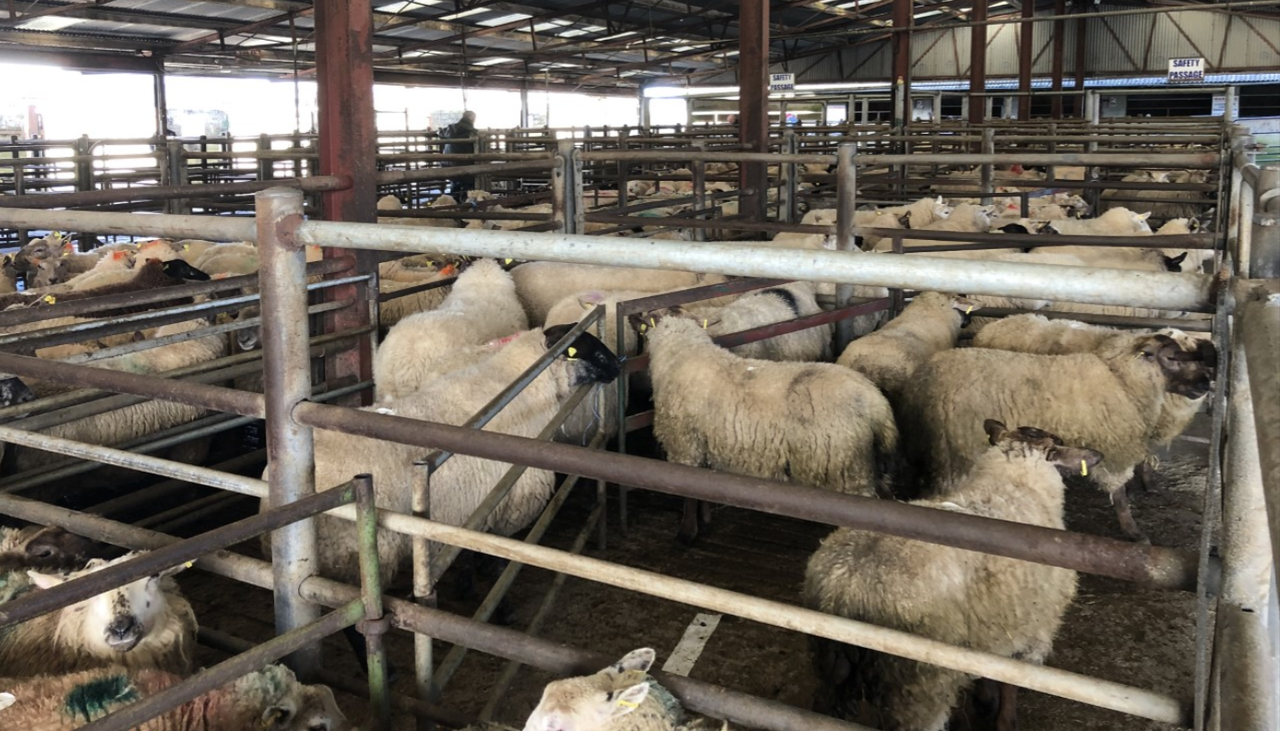
As the flat-rate addition is now lower than the livestock VAT rate, farmers selling livestock through marts are now, for the first time, paying more VAT on those sales than the flat-rate addition they receive when selling animals.
One TD recently claimed that the decreases in the flat-rate addition below the livestock rate will cost farmers some €61 million this year.
Tax Strategy Group
This matter has now been raised by the government's Tax Strategy Group (TSG).
The Department of Finance has published documents - the Tax Strategy Group Papers - from the TSG, which meets every year in advance of the national budget to examine possible changes to the country's tax regime.
The TSG has been in place since the early 1990s and is chaired by the Department of Finance, with its membership comprising senior officials and political advisers from a number departments and offices.
The TSG has developed several documents ahead of the upcoming budget, one of which is on VAT.
This document notes that the livestock VAT rate has historically been the same or lower than the rate set for the farmer flat rate addition scheme.
It added that, due to the business model operated by livestock marts, farmers who opt to remain unregistered for VAT will suffer the difference between these two rates - i.e. 0.3% - when they sell through livestock marts.
The paper said that this may push farmers to sell directly to other farmers, or to factories.
"While the individual difference on any one sale is currently marginal, where a farmer is making multiple sales there may be a sufficient difference to drive sales to channels other than marts," the TSG document added.
It said that "there is scope" to reduce the livestock rate down to match the flat-rate payment.
It did, however, also note that the rate of the flat-rate addition is calculated based on the estimated VAT liability for farmers over a three year period, including the VAT applied to livestock, suggesting that the potential loss to farmers in the short term would even out over a number of years.
The TSG paper said that the work on calculating the appropriate flat-rate addition for the coming year will be completed by September, and that it might increase or decrease, depending on the economic data used to calculate it.
The document said that "tentative estimates" suggest that reducing the livestock VAT rate down to the current flat-rate addition of 4.5% would see the state lose out on €2 million in tax revenue.