Global production of milk to go up, beef output to decline

This year will see global production of milk and cereals expand, along with poultry meat.
However, the pressure on farmers from fertiliser costs is likely to continue, according to the Food and Agriculture Organisation of the United Nations (FAO).
These forecasts are included in the FAO's latest publication on major food commodities, which is released biannually.
Dairy
The report says that global milk production is forecast to expand by 1.8% in 2026.
It is also forecasts that stronger shipments of milk powders will see the international trade of dairy products grow by 2.1% from the previous year.
The report also explores the growing importance of whey.
It states: "Strong demand for high-protein whey ingredients could increasingly influence the economics of cheese production.
"Demand for protein for people and livestock adds to the overall value generated from cheese processing.
"The benefits, however, are likely to be concentrated among processors with access to the necessary whey-processing capacity."
Meat
The FAO has a similar outlook for global meat production, with forecasts showing a moderate expansion in 2026.
However, within the meat sector there are different outlooks for each animal group.
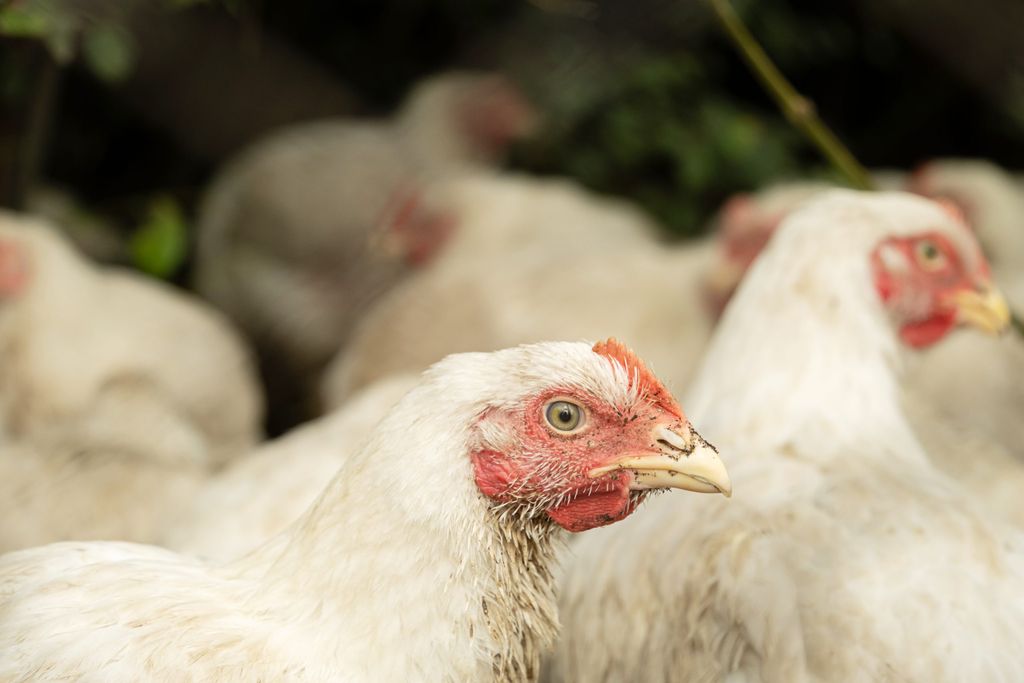
Bovine and ovine meat outputs are anticipated to decline amid tight animal availability, while poultry is expected to do a lot of the heavy lifting in the overall global meat trade.
The report also outlines how international prices of key feed ingredients have risen since early 2026, led by oilmeals.
It said: "Feed costs have added to livestock production costs alongside elevated energy prices."
The FAO claims that producers are responding through feed substitution and efficiency gains, but that nutritional and economic constraints limit adjustment options.
Cereals
The report details that global cereal stocks are forecast to rise by 1.8% by the close of seasons in 2027.
This increase, it says, is largely down to an accumulation of wheat inventories in the Russian Federation and Ukraine, where export disruptions are constraining shipments.
World trade in cereals in 2026/2027 is forecast to contract by 3.3%, driven almost entirely by a decline in wheat trade, with shipments from all major exporters seen declining.
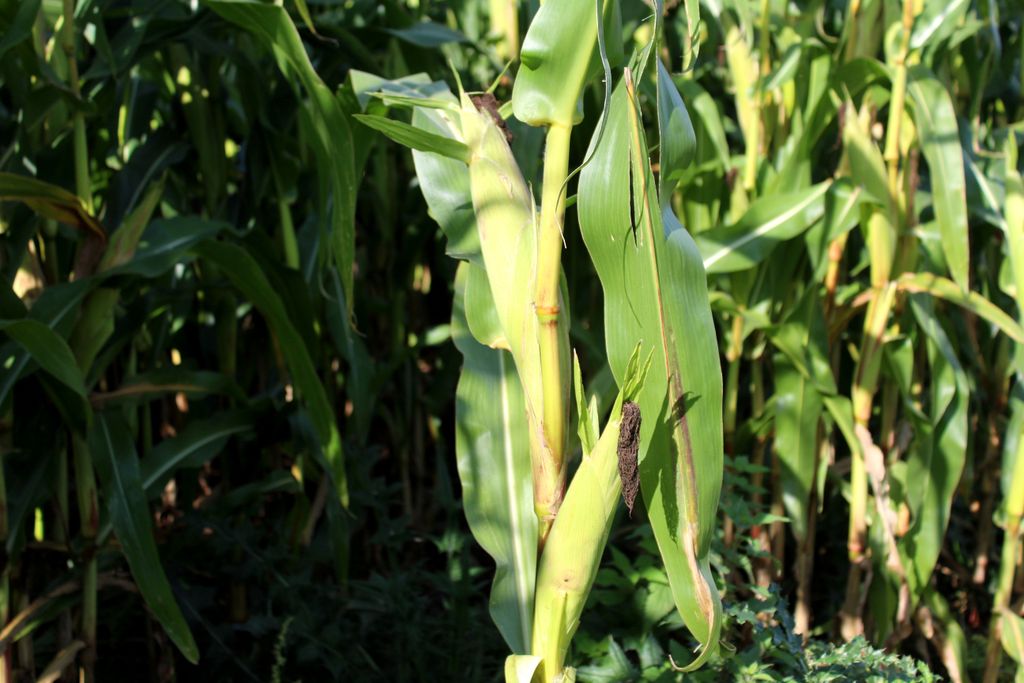
Global trade volumes of maize in 2026/2027 are expected to expand according to the report.
Maize outputs in 2026/2027 are anticipated to remain above their respective five-year averages, with global stocks forecast to rise amid constraints on international trade.
Fertiliser
The FAO also said that fertiliser affordability, when measured relative to crop prices, fell below the long-term baseline by mid-2026, reaching its lowest levels between April and June.
"Elevated fertiliser costs relative to crop prices could weaken farmers' incentives to purchase and apply fertilisers," it said.