Free course putting soil health at the heart of Irish agriculture

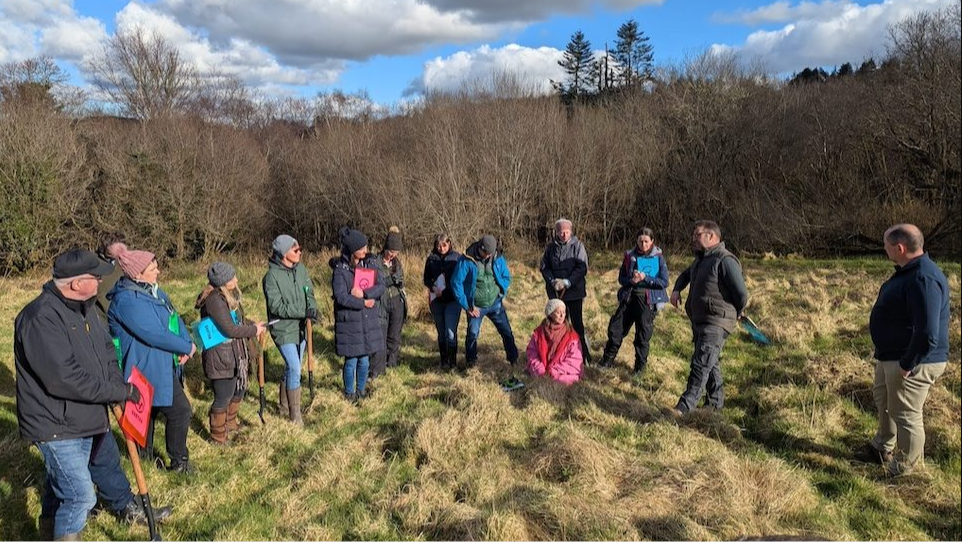
Farmers from Monaghan, Cavan and surrounding counties are being invited to take part in a free six-week introductory course exploring soil health, regenerative agriculture, and agroecology.
The training is being organised by Síolta Chroí - Seeds of the Heart - a not-for-profit social enterprise based outside Carrickmacross, Co. Monaghan.
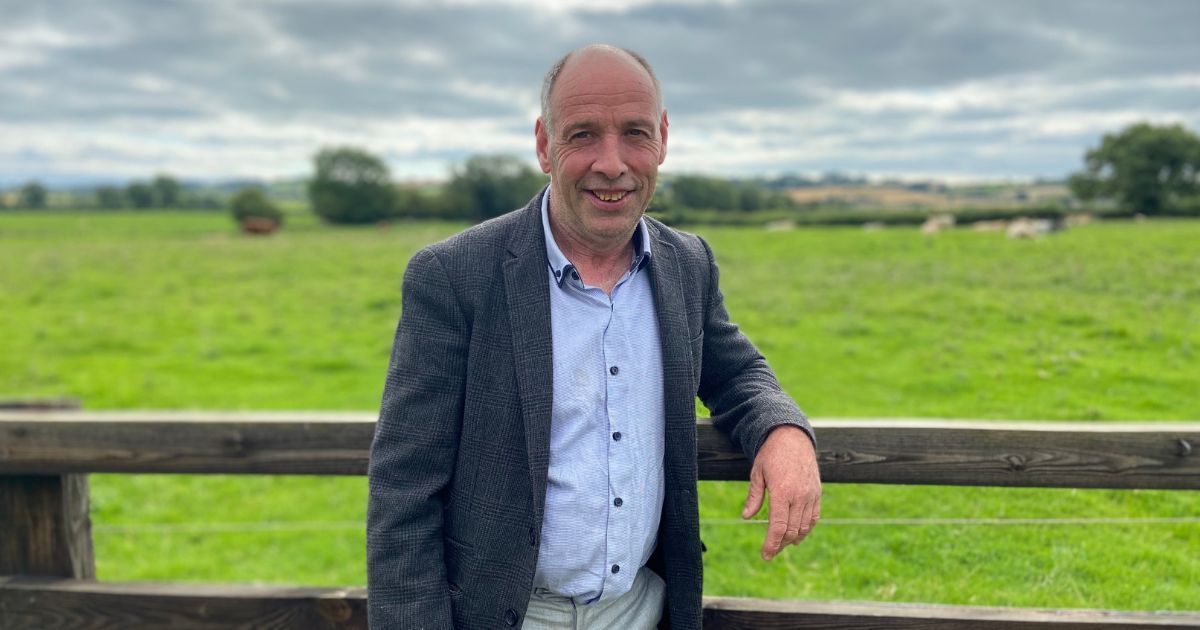
The organisation was co-founded in 2020 by Gareth Conlon and Karen Jeffares to restore Ireland's ecosystems and communities.
·The course will start on Thursday, October 8 and will run from 6:00p.m to 8:00p.m.
"Your soil is one of the most important assets on your farm.
"Healthy, biologically active soil can help make better use of nutrients, hold more water, support better grass growth and reduce the need for costly external inputs," Conlon said.
This latest course follows a series that were delivered across counties Monaghan, Donegal, Tyrone and Louth.
To date, more than 175 farmers have taken part in the course, which has now been delivered 12 times.
"It has been designed to be practical, accessible and engaging. We want people to enjoy the course and find it useful,” Conlon said.
“We are confident that, whatever your previous experience with education, you will get something from it."
The course comes at a time when farmers are increasingly seeing first-hand how vulnerable farms can be to extreme weather.
Drought
This summer saw drought which has forced farmers to start feeding their winter stock much earlier than planned.
Participants will hear directly from farmers who are taking different approaches to grazing and grassland management and who were much less affected during the summer's drought.
There will be a talk about using holistic planned grazing and how this approach helped maintain grass availability during the drought.
A healthier soil structure absorbs heavy rain instead of waterlogging, and retains moisture deeper into a dry summer, keeping grass growing when neighbours have run dry.
Regenerative agriculture
Regenerative agriculture covers a broad range of practices, and the course will explore several of these areas, including soil health, agroforestry, water, animals and livestock, direct selling, all building more resilient farming systems.
The course will explore ways farmers can look at their farm businesses differently, including opportunities to reduce expenses, improve efficiency and increase profitability.
Guest speakers will include farmers from across Ireland who are implementing regenerative and agroecological approaches on their own farms.
Their experiences will give participants an opportunity to hear what these approaches look like in practice, including the challenges and opportunities involved.
For many participants, one of the most valuable parts of the course has been the opportunity to meet other farmers, share experiences and discuss ideas.
'Like-minded people'
Feedback from previous participants highlights the impact that the course can have beyond the classroom.
“I thought I knew how to farm. Every night when I went home, I couldn’t sleep, thinking about all the stuff I’d learned," one farmer said.
Another farmer said the connections made during the course were just as valuable as the information itself.
"You meet like-minded people and I still keep in contact with a lot of people I met and run ideas past them," they said.
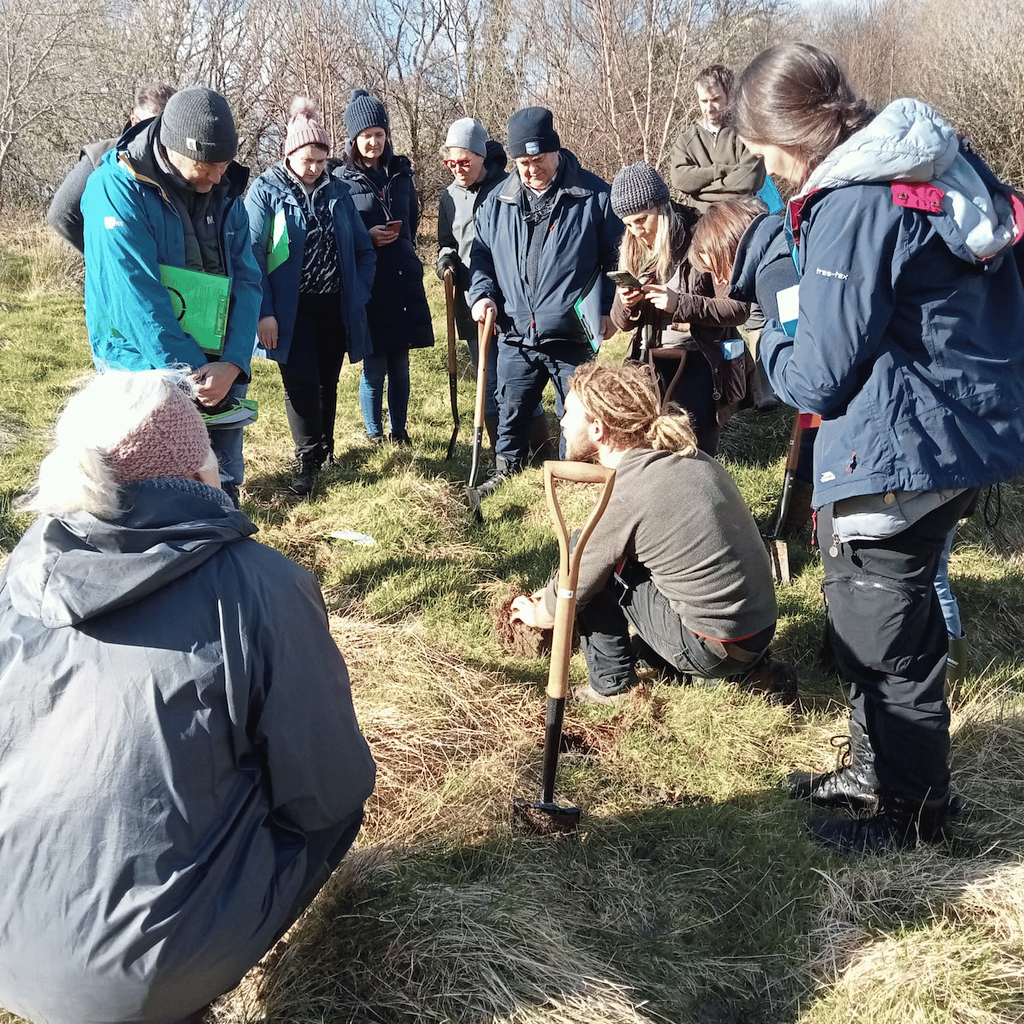
For yet another participant, the course opened the door to a much wider range of possibilities.
They said: “There’s so much out there to know.
"Once you start learning, it really makes you think about your own farm and what you could do better.”
For farmers interested in soil health, grazing, farm resilience, reducing costs or simply exploring what regenerative agriculture and agroecology could mean for their own farm, the course offers an opportunity to learn directly from farmers and practitioners putting these ideas into practice.
The course will look at practical ways farmers can improve the health and function of their soils including:
- Improving soil fertility and making better use of nutrients already on the farm;
- Reducing input costs by reducing and eliminating the need for NPK fertilisers to be bought;
- Increasing the profits through such things as direct selling and reducing overheads;
- Improving grass growth and utilisation through healthier soils and better grazing management;
- Boosting soil structure, helping land cope better with heavy rainfall and dry periods;
- Increasing water-holding capacity, so soils are better able to cope with changing weather;
- Reducing compaction and run-off and improving the way water moves through the soil;
- Building more productive and resilient soils for the future.