Are your young stock on target to meet guide housing weights?

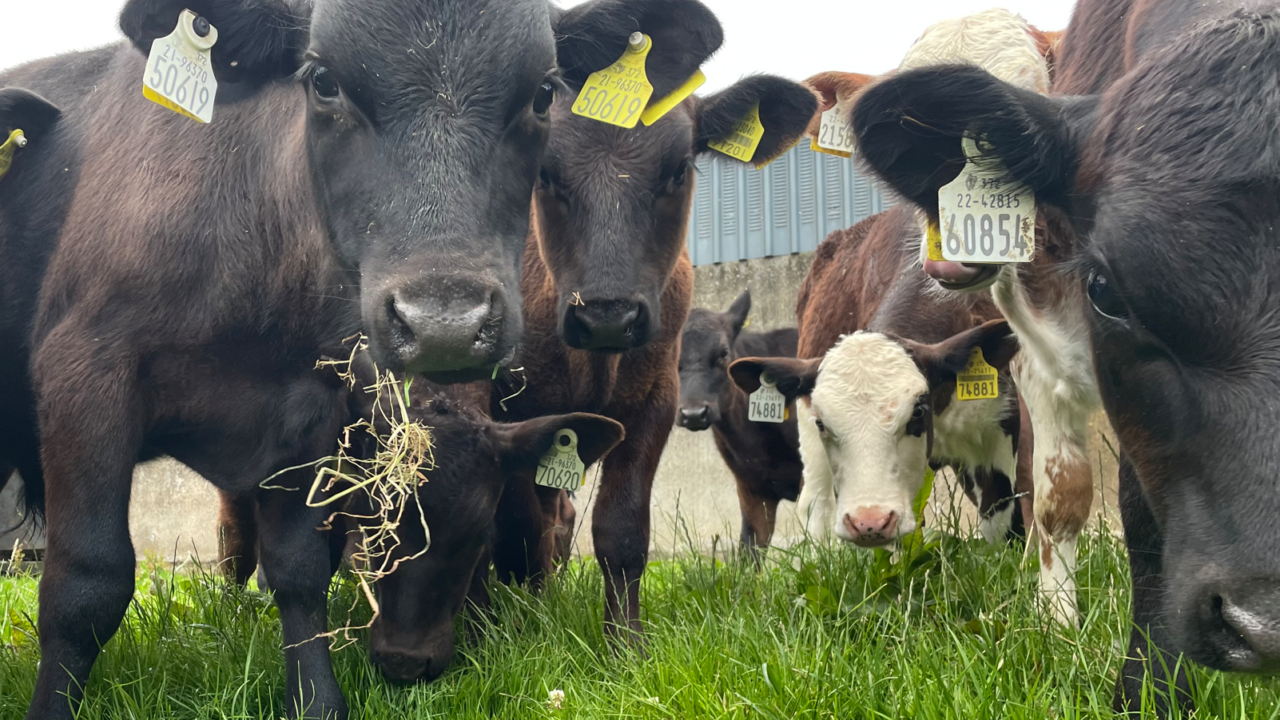
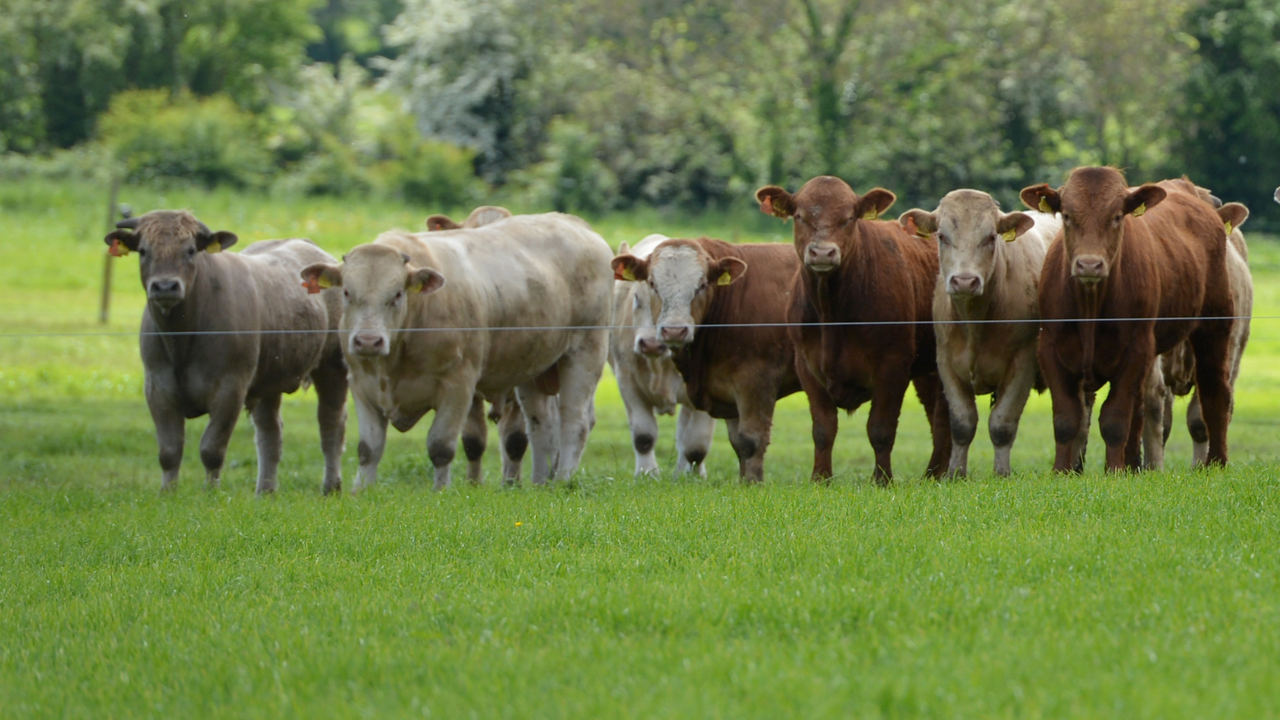
Keeping an eye on young stock performance in the final few weeks of grazing is important to ensure 2026-born cattle achieve their target housing weights.
Where cattle weights are below target, action can be taken to identify the potential issue and find a solution.
Sometimes, smaller, shyer calves may not be getting fair access to concentrate feed at the trough, so making a separate group for smaller calves can help performance here.
Also, where weights are lower than expected, it could be advisable to look at internal parasites and identify if a control treatment is needed.
Where calves are thriving well, good weight gain can still be achieved between now and housing.
Keeping an eye on calf health, dung, and grass quality are all important.
The 2026 grazing season was a tale of two halves with farmers on heavier ground generally having a good summer and farms in drier parts of the country having significantly more hardship due to the prolonged dry spell.
Target weights for spring-born suckler and dairy beef stock
For suckler-bred steers, the aim is for a housing weight of 315kg in the first winter, according to Teagasc.
The target should be for these cattle to gain 0.5-0.6kg/day over the winter and the suckler-bred steers going to grass at 380kg the following spring.
For suckler-bred heifers, the aim is for a housing weight of 275-300kg at eight months-of-age gaining 0.6kg/day for a target turnout weight of 335-375kg at 12 months-of-age.
For dairy-beef heifers, the aim should be for a target housing weight of 220kg and 240kg for dairy-beef steers, according to Teagasc, with the same ADG over the first winter as suckler-bred stock.
For their first eight months of life, male suckler-bred calves should be gaining approximately 1.2kg/day.
Male dairy-beef calves should be averaging approximately 0.7kg/day on milk and 0.8kg/day on grass during their first summer.