Conservation tillage's mixed impact on climate-smart agriculture


Conservation tillage has been widely promoted as a climate-smart approach towards sustainable food production.
However, a new study by Rothamsted Research suggests that its impact on greenhouse gas emissions is more complex than previously thought.
While some principles of conservation agriculture consistently reduce emissions, others can increase them, depending on environmental conditions and management decisions.
The research analysed 422 scientific studies from around the world to assess how key conservation agriculture principles - including reduced/no tillage, mulching, crop rotations and appropriate use of fertiliser - influence climate change.
The emissions of the three major greenhouse gases were assessed: carbon dioxide (CO2), nitrous oxide (N2O) and methane (CH4).
The findings reveal that the climate benefits of conservation agriculture depend not only on which principles of conservation agriculture are adopted, but also on how they are implemented and the environments in which they are used.
Reduced tillage
Among the principles of conservation agriculture examined, reduced tillage and zero tillage showed the most consistent potential for reducing greenhouse gas emissions.
Significantly, the review found strong evidence that reduced tillage lowers carbon dioxide emissions. It can also reduce nitrous oxide emissions.
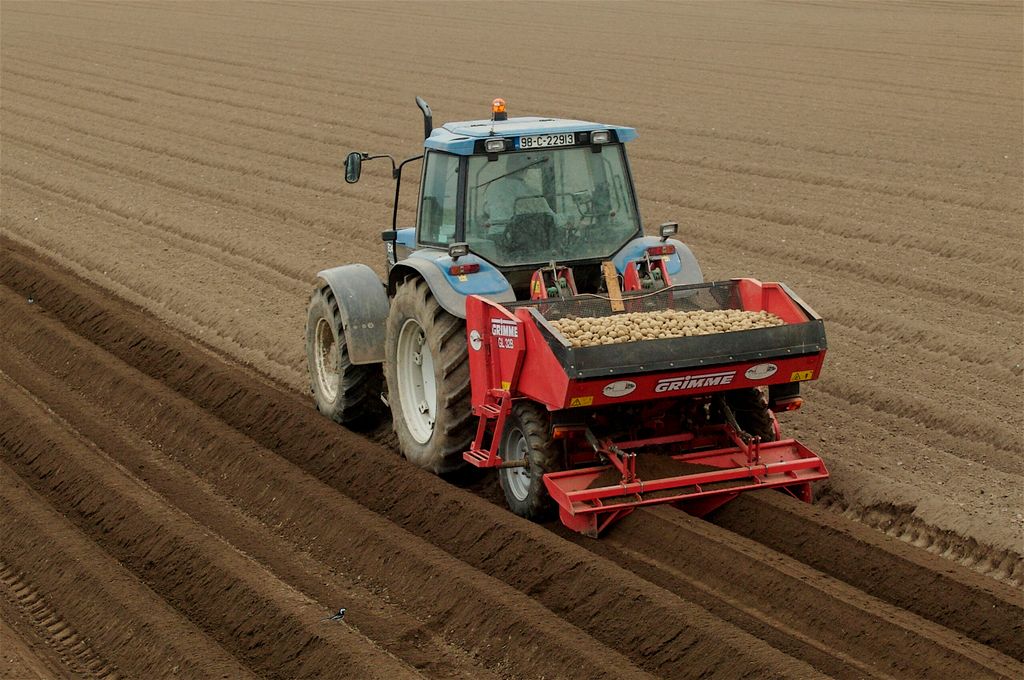
Moreover, there is some evidence to the effect that reduced tillage enhances soil uptake of methane.
By reducing soil disturbance, these practices help protect soil structure and slow the release of carbon stored in soils.
Mulching
The study also examined mulching, including the retention of crop residues and the use of cover crops.
While mulching provides well-established benefits for soil protection, water retention and soil health, the review found evidence that it can increase greenhouse gas emissions in some farming systems.
Researchers suggest that decomposing organic materials can create conditions that stimulate microbial activity, increasing the production of carbon dioxide, nitrous oxide, and methane.
The findings highlight the need for careful consideration of mulch type, quantity, and management when designing climate-smart agricultural systems.
Fertiliser management
The study evaluated a range of fertiliser management strategies, including organic amendments, integrated soil fertility management, use of slow-release fertilisers and nitrogen-use efficiency approaches.
Results were highly variable, with some strategies reducing emissions and others increasing them, depending on environmental conditions.

Dr. Grace Kangara, lead author of the study and researcher at Rothamsted Research, commented:
“Approaches promoting the appropriate use of fertilizer, as the fourth proposed principle of conservation agriculture, showed mixed effects on greenhouse gas emissions.
“This shows that environmental factors like rainfall and soil type create complex challenges for reducing emissions in temperate and tropical farming systems.”
In addition, the researchers found that nitrogen application rate remains a key driver of nitrous oxide emissions, reinforcing the importance of precision nutrient management.
The analysis also explored the influence of crop rotations on greenhouse gas emissions.
Systems that included legume crops tended to be associated with lower carbon dioxide emissions than continuous cereal-based rotations, while cereal-after-cereal systems were more often linked to increased emissions.
These findings add to growing evidence that diversified cropping systems can support environmental sustainability while reducing reliance on synthetic fertilisers.
Knowledge gaps
The study identified substantial gaps in global research, particularly in Africa, where relatively few long-term studies have measured greenhouse gas emissions under conservation agriculture systems.
The authors called for greater investment in long-term field experiments and more standardised reporting of greenhouse gas measurements to improve the quality and comparability of future research.
Rather than viewing conservation agriculture as a single climate solution, the researchers argue that individual practices must be evaluated both separately and in combination, with local environmental conditions taken into account.
According to the researchers. as agriculture faces the dual challenge of feeding a growing population while reducing emissions, the findings provide "important evidence" to help farmers, researchers and policymakers develop more effective climate-smart farming systems.