France to begin vaccination against lumpy skin disease

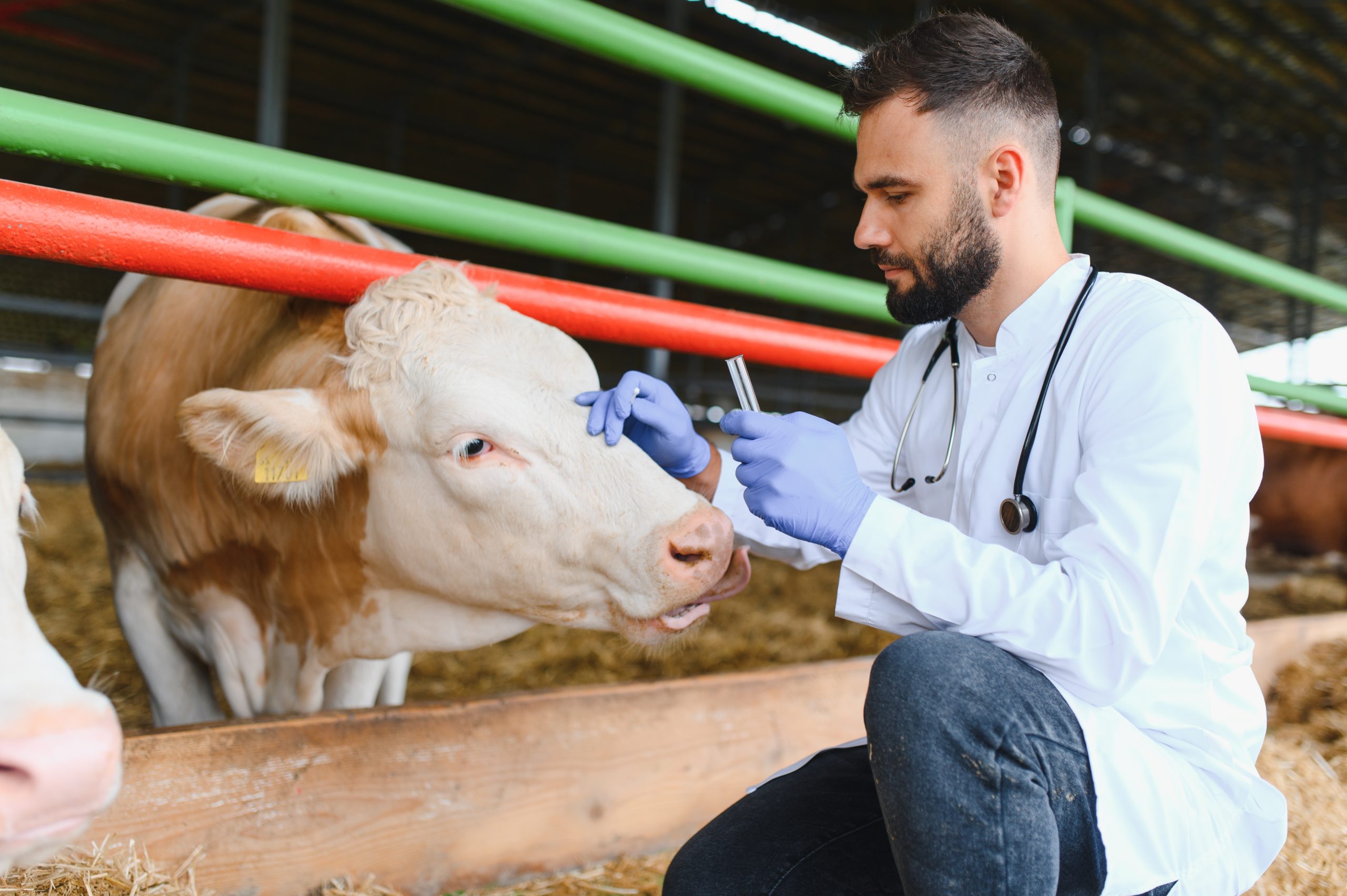
The Ministry of Agriculture in France has confirmed that it will begin a "compulsory vaccination" of cattle in certain areas to prevent the spread of lumpy skin disease.
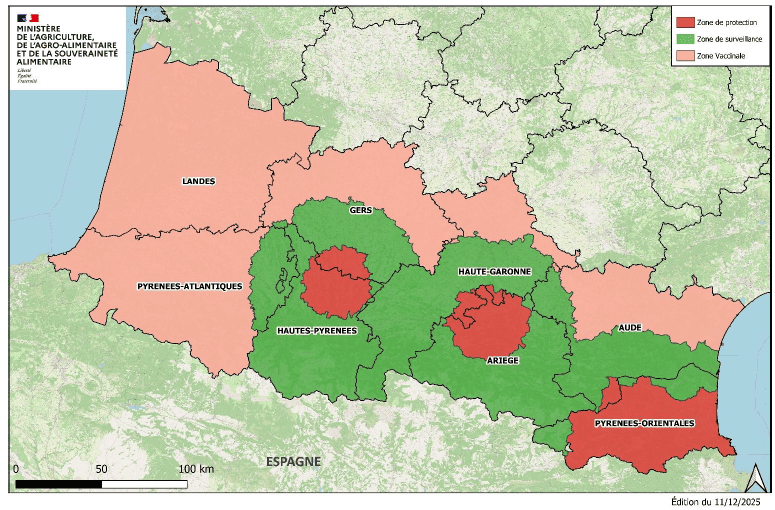
The French Agriculture Minister Annie Genevard said the vaccination programme, which will include approximately one million cattle, will start in Occitanie in the south of France.
Lumpy skin disease is viral disease that cannot be passed to humans and is spread between cattle via "vector" insects like horseflies and biting flies.
A total of 113 outbreaks of lumpy skin disease have been detected in France since the first case was identified on June 29 until December 14, this year.
The French government has introduced a restricted zone around any confirmed disease outbreak, a surveillance zone within a radius of 50km around an outbreak and a protection zone, within a radius of 20km of an outbreak.
In order to limit the spread of the virus, the French Ministry of Agriculture has also banned "festive gatherings" of cattle until January 1, while notifications of cattle movements must now be made within 24 hours of any movement - instead of the previous seven days.
It has also specified that the commercial "means of transport of cattle" must be disinfected if a journey is made outside of France.
France
The French government has warned that strict compliance with prohibitions and restrictions on the movement of cattle "is crucial to prevent the long-distance spread of the virus" in the country.
The government has also said that in order to protect the cattle herd in France a number of control measures are now in place until January 1, including:
- Close monitoring of the state of the health of cattle by farmers and systematic reporting to a vet in the event of any suggestive signs of lumpy skin disease;
- Total 'depopulation of cattle from household';
- Mass vaccination in restricted areas;
- Compliance with biosecurity measures.
French farming organisations and farmers have hit back at the governments 'depopulation' approach or cull of cattle.
But the Ministry of Agriculture has said it is supporting farmers whose herd is affected by lumpy skin disease with "rapid compensation" and a "continuous financial commitment".
All vaccinations are "fully covered" by the government and, since the first outbreak of the disease was identified in France, nearly €6 million has been paid out to farmers by the government.