First report published on progress of hen harrier plan

A report has been published outlining progress so far in the first year of the Hen Harrier Threat Response plan.
The report was published by Minister of State for Nature, Heritage and Biodiversity Christopher O'Sullivan.
The report provides an update on actions by public authorities to reverse the decline in hen harrier numbers, and improve its long-term prospects during the first year of the Threat Response Plan.
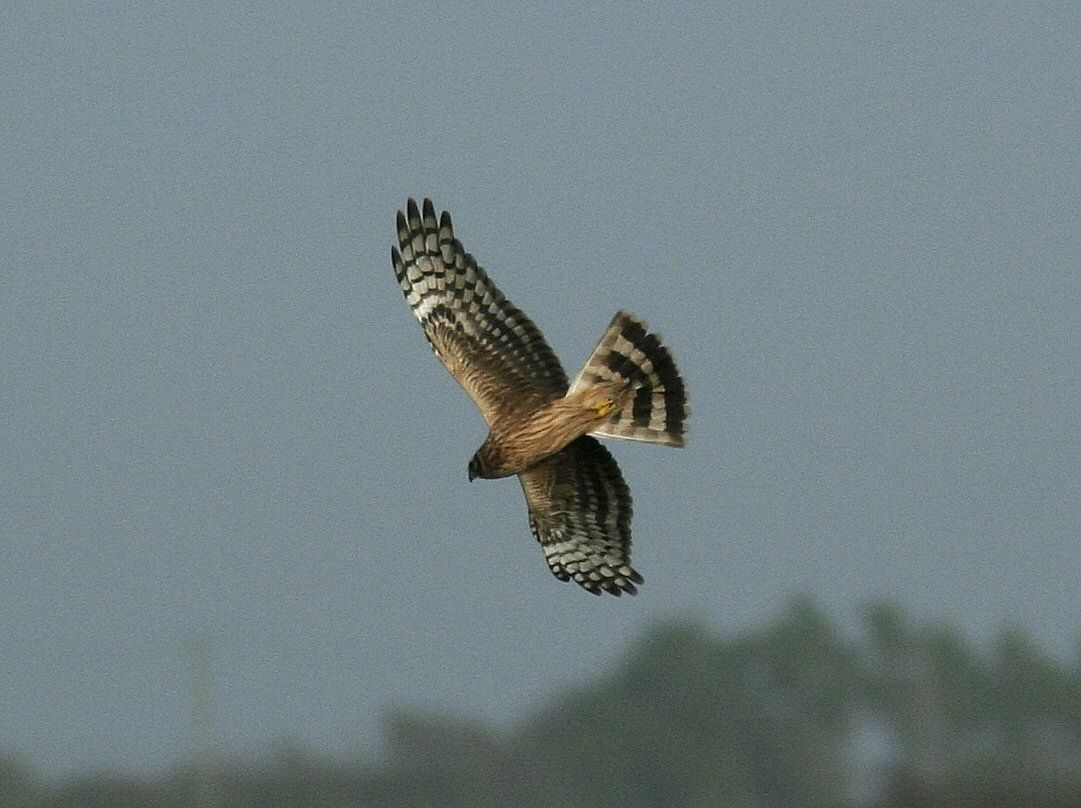
The hen harrier is a rare bird of prey that breeds in open upland bog and heather moorland. It has seen a decline in its numbers in recent years.
The Hen Harrier Threat Response Plan includes actions to address "key threats and pressures arising from land use change".
It includes measures across agriculture, forestry and wind energy development sectors, both inside and outside the Hen Harrier special protection areas (SPAs).
The new implementation report was prepared by the National Parks and Wildlife Service (NPWS), with input from the Hen Harrier Threat Response Plan Interdepartmental Steering Group.
Highlights within the report include a memorandum of understanding (MoU) established between the NPWS and Coillte, which seeks to progress conservation actions for Hen Harrier on Coillte land.
The Slieve Bloom Mountains SPA was selected as an initial site for conservation actions and progress will inform subsequent delivery in the wider SPA network and beyond.
A new European Innovation Programme (EIP) for coastal arable areas in the south-east is also being delivered to benefit winter harrier habitat.
The report also said there was greater levels of cross-sector collaboration, research and data sharing across key stakeholders during the first year of the plan.
A mid-term review of the Hen Harrier Threat Response Plan will be undertaken later in 2026.
Commenting on the hen harrier plan, Minister O'Sullivan said: "Increased action for hen harrier on the ground in the Slieve Bloom Mountains Special Protection Area includes enhanced population monitoring, nest protection measures, and greater levels of surveillance to prevent and manage fires.
"Monitoring of breeding activity on site in 2025 has shown positive progress at an early stage but we need more data to fully understand the impact of these measures," Minister O'Sullivan added.
He said that the "next steps" in the Slieve Bloom Mountains will involve further progressing forestry removal through a pilot initiative in cooperation with Coillte.
The minister also said the pilot initiative on the Slieve Bloom Mountains will inform work on Ireland's Nature Restoration Plan in terms of restoring habitats on state-owned lands.
"I would like to thank all departments and agencies for their commitment to delivering on the plan. Success is dependent on all public authorities working together," Minister O'Sullivan said.