Farmers urged to take steps to protect animals in hot weather

Minster for Agriculture, Food and the Marine Martin Heydon has urged farmers to take necessary steps to protect animals during the current spell of hot weather.
The minister's intervention comes as Met Éireann issued an additional Status Yellow weather warning for high temperatures across most of the country in the coming days.
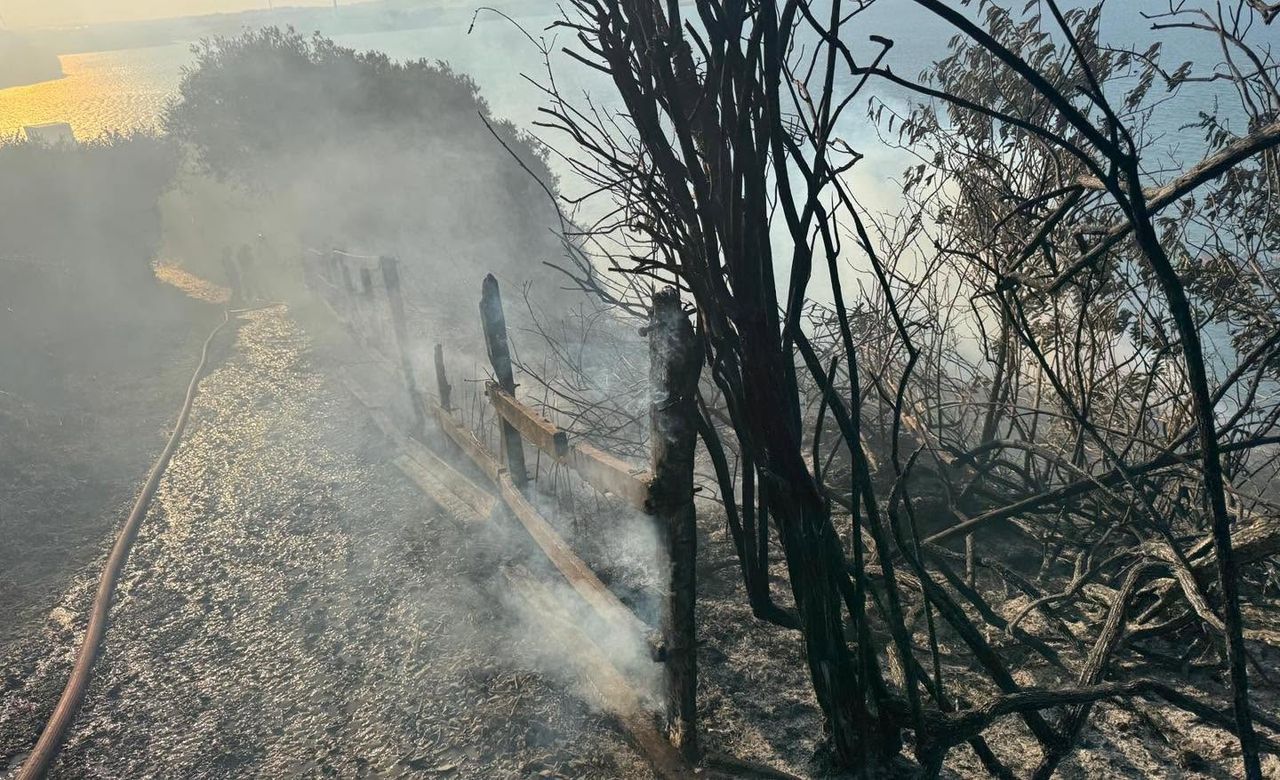
Minister of State with responsibility for forestry Niall Collins has also warned of the need for vigilance on the possible outbreak of fires in rural areas.
Commenting on animal welfare, Minister Heydon said: "The current high temperatures affecting Ireland can pose a risk to both pets and livestock.
"It is important that farmers, horse and pet owners take steps to protect their charges during high temperatures to avoid serious health and welfare problem arising due to the heat," he added.
On forestry, Minister Collins said: "Due to continued high temperature weather patterns, the potential for the outbreak of fires remains high, and I am calling on all forest owners, farmers, rural dwellers and other countryside users to be extremely vigilant regarding fire activity."
Minister Collins called on members of the public to report any suspicious or illegal activity to the gardaí and to report all fires immediately to the fire and emergency services via 112 or 999.
Animal welfare
The department outlined actions for farmers (as well as horse and dog owners) to take onboard to reduce the impact of high temperatures on animals.
Farmers need to ensure a plentiful supply of drinking water for animals, which may require increasing the water flow and number of drinking points.
Drinking points should be checked more often during hot weather to ensure they are working and that water pressure is adequate; and stock should be monitored for signs of problems with water supply, such as queuing or crowding at water points.
Shade is also important, and vulnerable animals such as very young, old, or sick animals may need to be moved to a location with additional shade or shelter where they can be monitored more closely.
Holding areas for livestock and horses should have shaded areas available where possible and holding times should be minimised.
Outdoor poultry should have access to shade, and outdoor pigs require access to a wallow to cool down, especially if the temperature is above 25°, as these animals are particularly vulnerable to heat stress.
Handling and housing
Movement or handling of cattle and other animals during hot weather can increase their body temperature by 0.5 to 3.5° C, causing heat stress.
Farmers are advised to minimise handling in hot weather, and, if necessary, to handle animals as early or late in the day as possible to coincide with cooler temperatures.
Transportation of animals in hot weather ahould be avoided where possible.
Animals that are housed intensively, namely poultry and pigs, need additional checks. Temperatures in the housing areas should be monitored closely and ventilation adjusted accordingly.
Where automatic ventilation systems are in place, the frequency of monitoring of alarm and back-up systems should be increased.
Farmers should consider reducing stocking densities where necessary to increase air space and flow and to reduce the heat generated by the animals themselves.
Animal health
Livestock should always be checked more frequently in hot weather. Animals at higher risk of heat stress include young, dark-coloured or pregnant animals; animals recovering from illness; pigs; and high-producing dairy cows.
Signs of heat stress include faster breathing or panting; loss of appetite; increased water intake; drooling; listlessness or lethargy. In severe cases, animals may become unconscious.
If you suspect an animal may be heat stressed, it is vital to act quickly, the department said.
Steps to manage heat stressed animals include moving them to shade or shelter; offering cool water; using sprinklers for cattle, pigs and horses; allow the animals to stand in cool water; increasing ventilation for housed species such as pigs and poultry; and reduce the stocking density to allow animals to lie out.
If there is no improvement, farmers should seek veterinary assistance without delay.
Farmer health
Farmers themselves (as well as outdoor workers generally) are also being urged to look after their own health by avoiding the heat between the hours of 11:00a.m and 3:00p.m.
When outside, farmers should wear light, loose-fitting clothes that cover the skin, alongside a wide-brimmed hat and sunglasses.
Any exposed skin should be protected by regularly applying water-resistant sunscreen - using at least factor 30+ for adults and 50+ for children.
Farmers should always stay in the shade whenever possible and keep well-hydrated by drinking plenty of fluids throughout the day.
Machinery should be checked regularly for overheating bearings, belts and other components that may give rise to fires.
Dust build ups and debris should be cleared from from machinery regularly; and care should be exercised with hot vehicle exhausts or catalytic converters when working in dried hay and crops.