Establishing forage crops on tillage farms

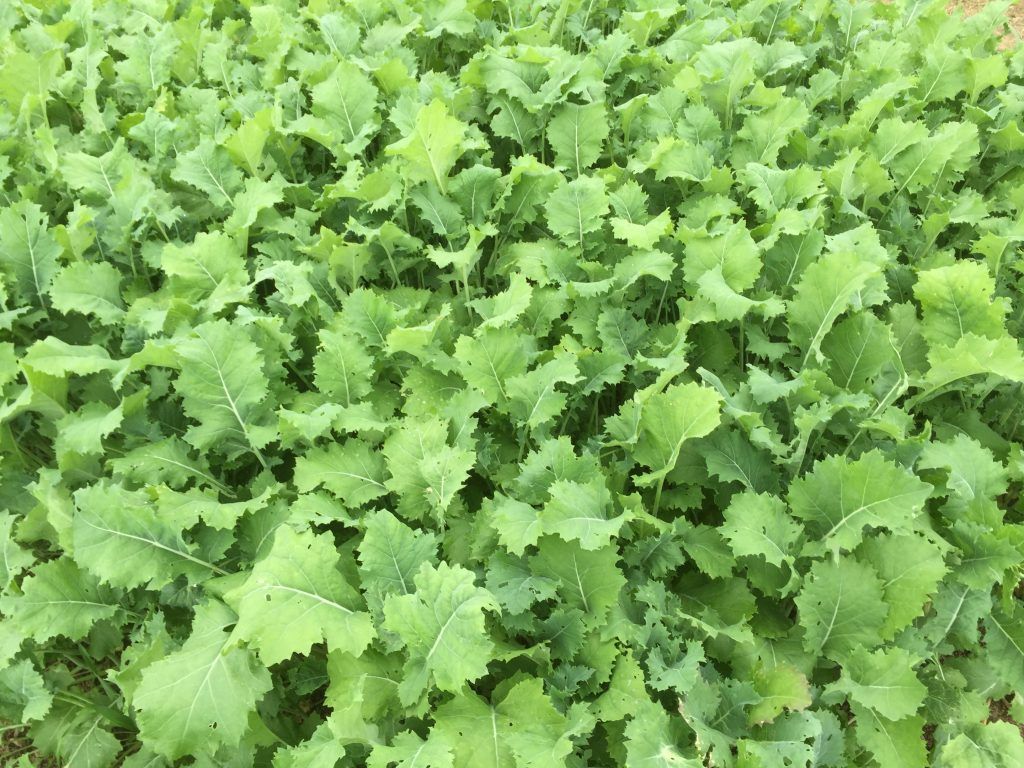
The earlier than normal harvest has created an opportunity for the establishment of forage crops on tillage farms.
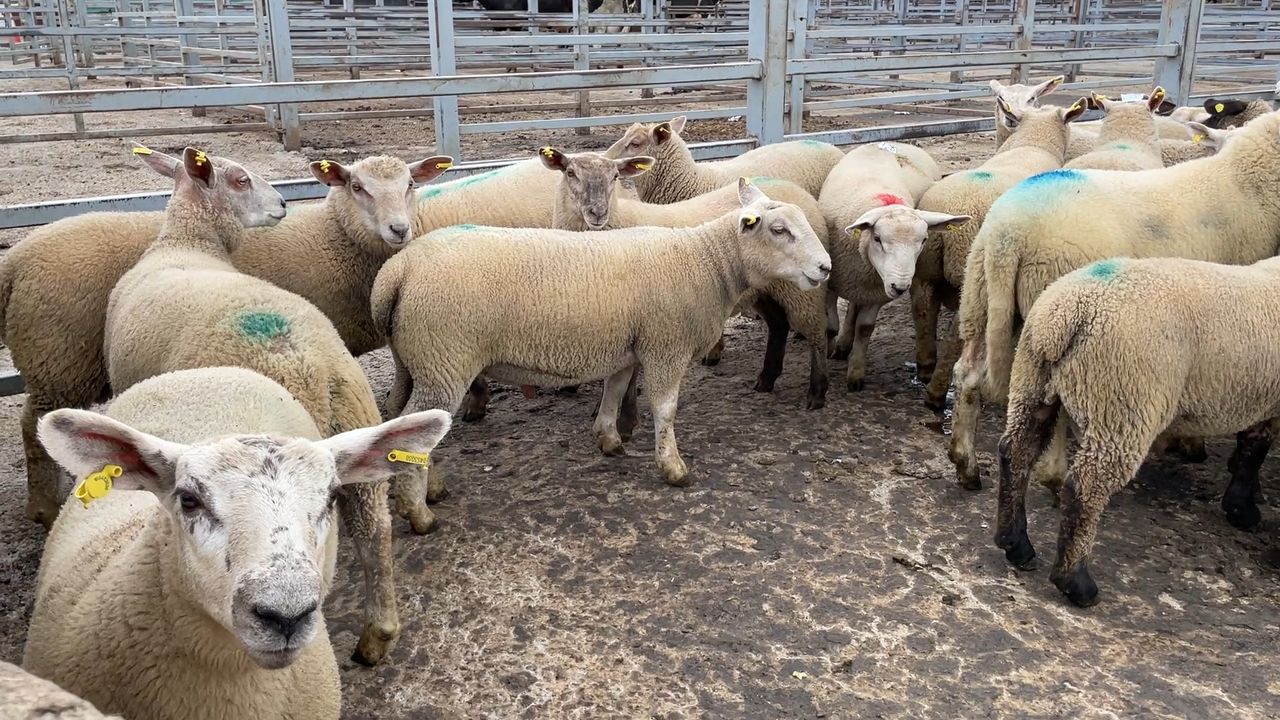
These are specifically suited to carrying store lambs or ewes over the winter months.
A range of brassica crops can be grown for grazing, including forage rape, hybrid brassicas, stubble turnips, and swedes.
However, the most suitable crop will depend on when it is planted, the expected yield, and the type of sheep that will graze it.
Stubble turnips may be more suited for adult ewes, which are better able to scoop the turnip from the ground and make full use of the crop.
However, farmers should avoid grazing broken-mouthed ewes on turnips, as these animals may struggle to eat them.
Forage rape and other grazing brassicas can produce between 3t and 6t dry matter (DM)/ha.
Crops edging towards the higher range are generally those planted in early July and having received additional fertiliser.
Yield potential is also linked to sowing date. Ideally, crops should be planted by the middle of July.
Where sowing is extended into late August / early September, the yield potential from a grazing perspective is hampered.
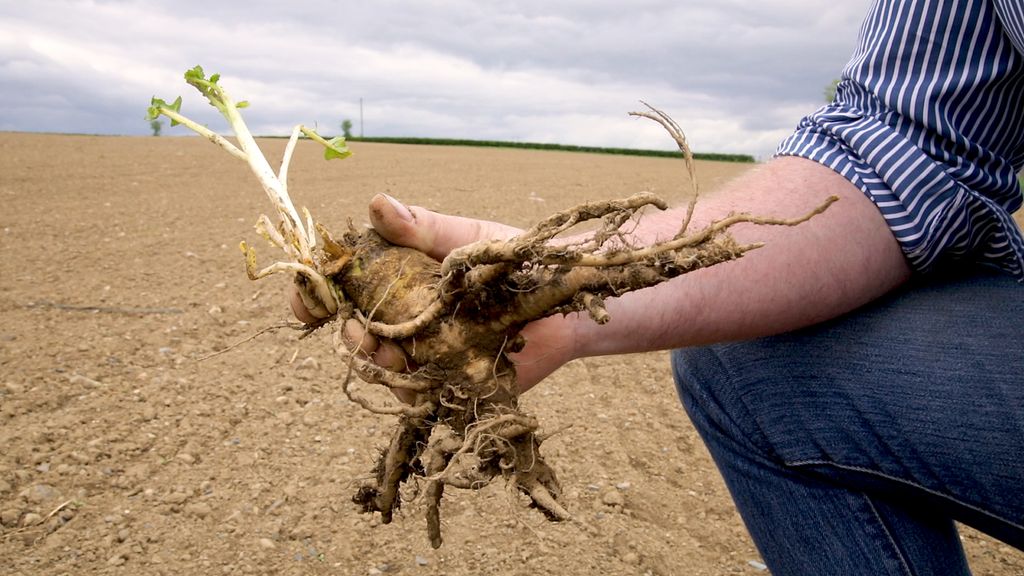
For tillage farmers considering establishing forage brassica crops for grazing, a degree of caution is required.
This reflects the risk of clubroot and its potential implications for crops such as oilseed rape.
Tillage farmers must also ensure that any forage crop is established and managed in accordance conditionality.
Establishing forage crop
To establish a good forage crop, there are a few factors to consider.
First of all, the crop has to be grown on good free draining land.
Growers must also decide on when the forage will be grazed, as they cannot be accessed by stock once they head out and flower due to the presence of toxins.
Forage crops grown on tillage farms offer a number of advantages.
They can be a low cost winter forage solution; and they are an excellent break-crop for grass reseeding as it helps reduce pest such as leatherjackets and slugs.
There is potential for high dry matter yields when crops are sown as recommended.
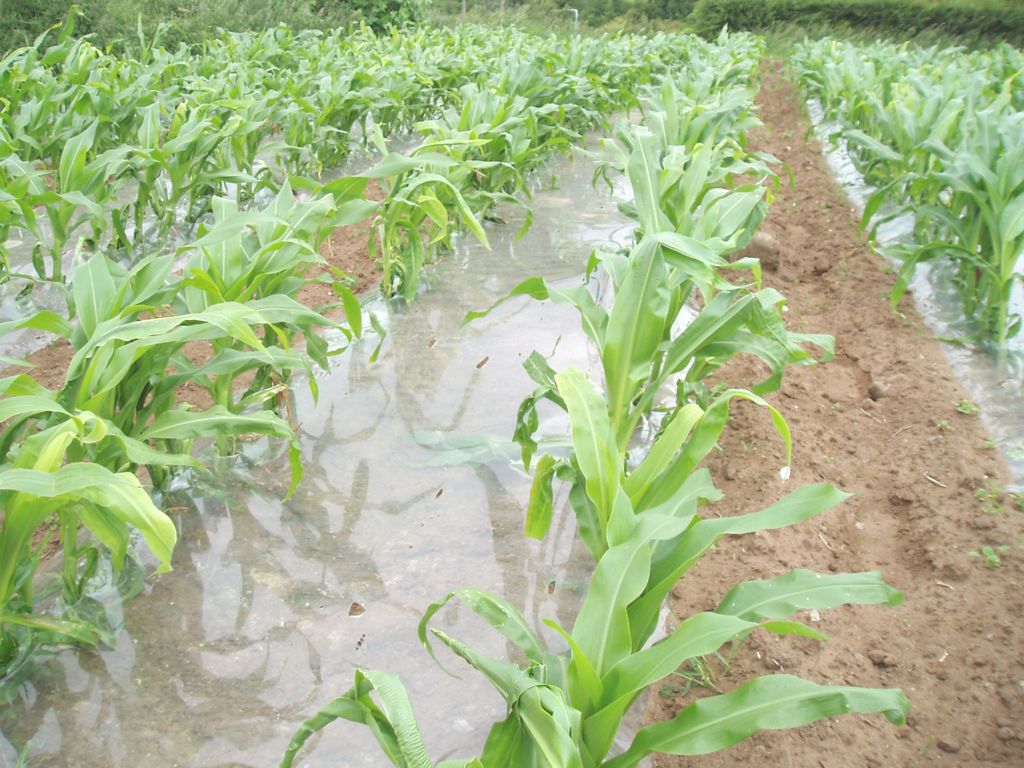
Brassica crops have a lower dry matter compared to grass at 12-14%, have a higher crude protein than grass silage, and are low in fibre.
There are also a number of potential disadvantages to be considered.
A wet winter could lead to soil structure damage and possible run-off if not managed well.
Hence the importance of growing alternative forages in a good free draining and not a hilly field where there is the potential of runoff.
Farmers should also note that the field may lost from the grazing rotation for 9-12 months if a forage crop is grown.