Opinion: The other dimension to harvest 2026

Harvest 2026 look set to kick-off again this week as high pressure builds and tillage farmers set to work once more in their combines.
But as contactors and growers hasten to complete the work at hand, some might say that an equally important harvest is fast-developing in the hedgerows that mark all of Ireland’s field boundaries.
Yes, it is still early August. However, the myriad plant species that feature so prominently in Irish woodland areas and hedges are already festooned with berries and nuts.
One must assume this is a direct result of the warm dry spell that so characterised the second half of June and all of July.
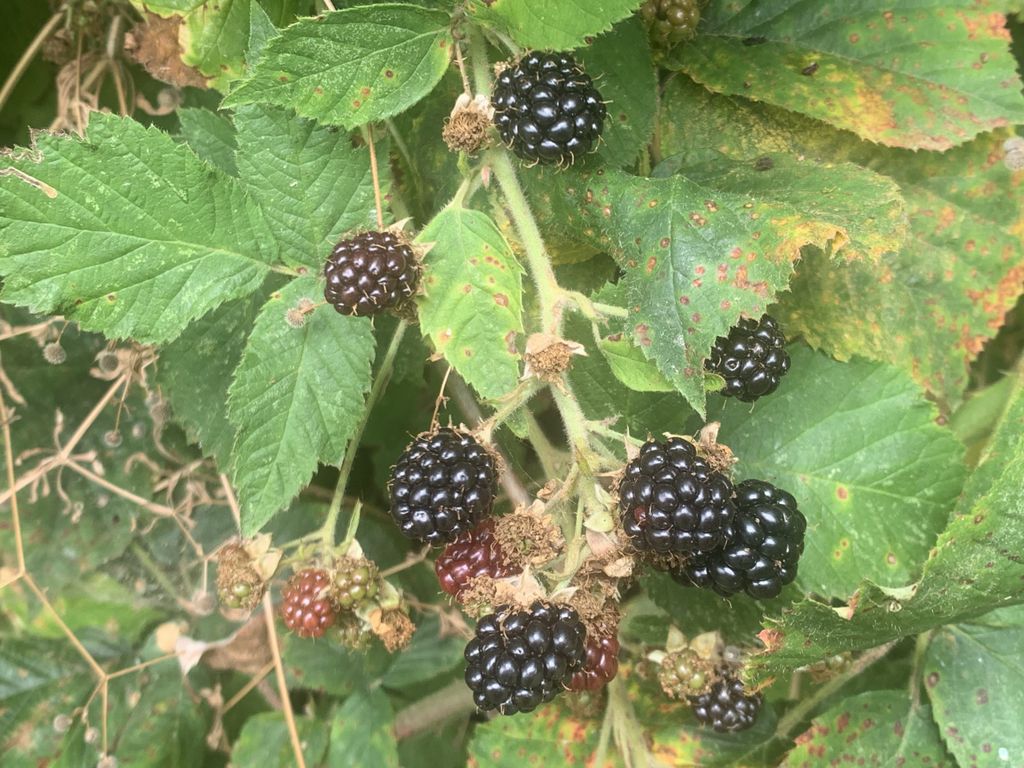
Blackberries are common enough in the Irish countryside.
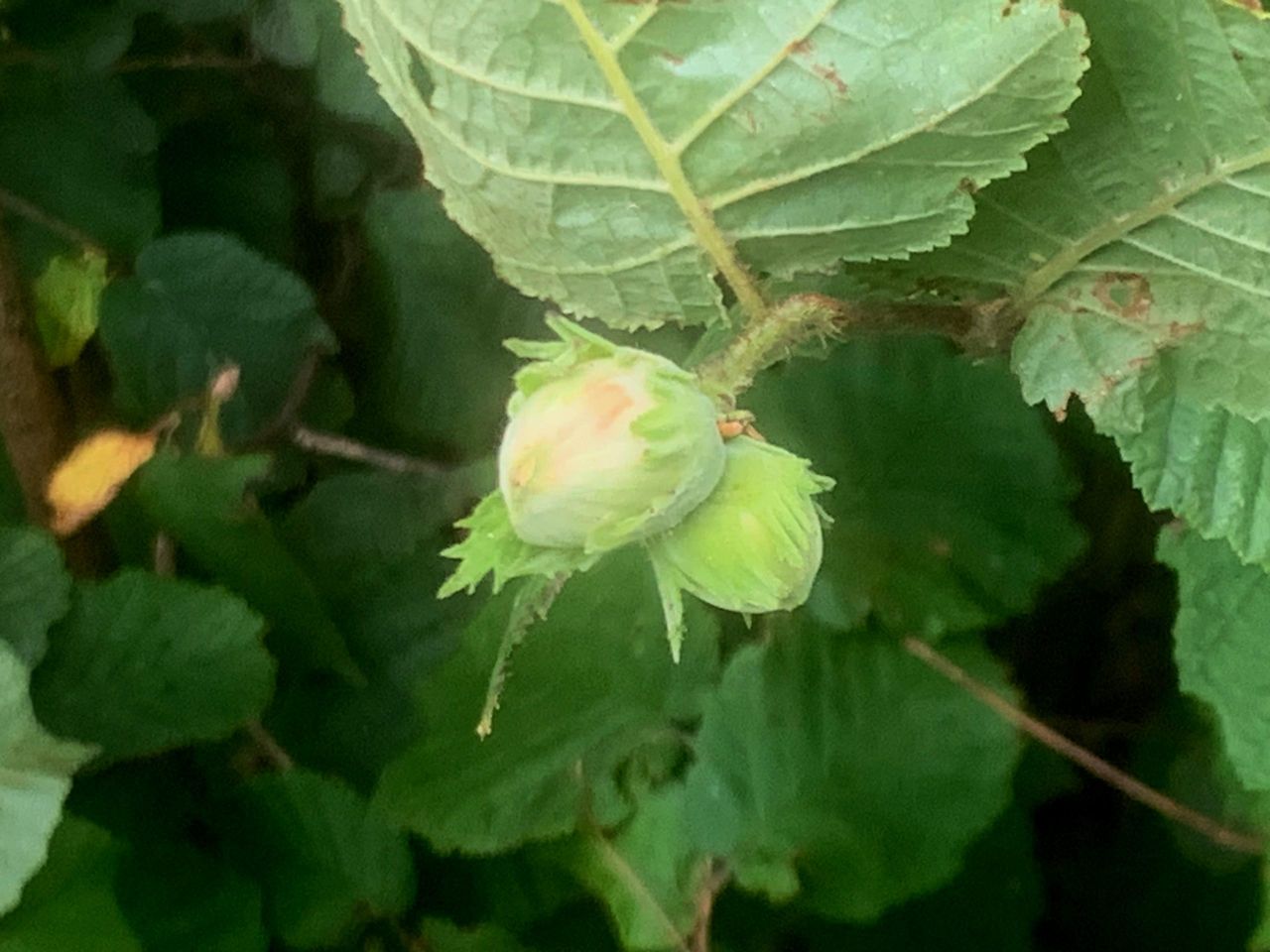
But the feature that will really characterise the autumn of 2026 is the predominance of hazelnuts now clustered in bushes growing along every rural lane and roadway.
It may well be Halloween before these ‘wonders of nature’ fully ripen.
But the fact that they are already developing in such an abundance confirms just how cooperative nature can be if it is given the chance.
And, of course, all of this is good news for the birds and other wildlife that rely on these berries and nuts as a source of food throughout the year.
Tillage environmental benefits
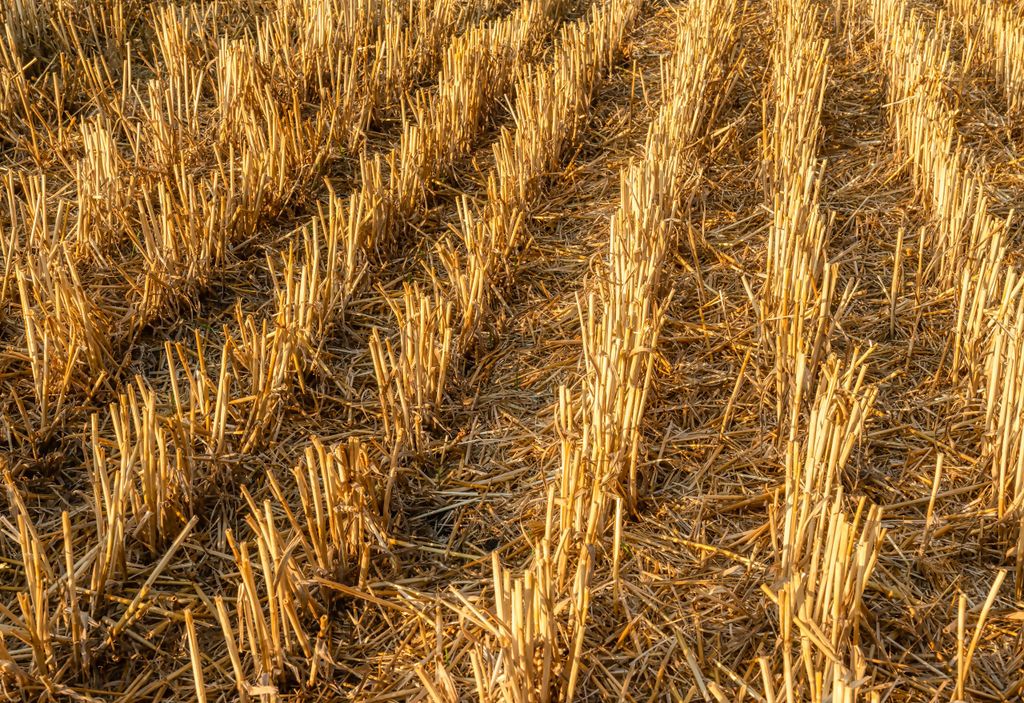
Meanwhile, grains that managed to slip through the combine, remaining in their field of origin, represent a more than valuable food source for wildlife.
Recent years have seen the low carbon footprint of tillage farming put forward as a key response from agriculture as a whole to the threat of climate change.
But it must never be forgotten that the growing of cereal crops brings with it a host of other environmental and conservation-related benefits.
Significantly, many of these have recently been lauded by stakeholder groups that would have a long-standing concern over the use of modern farming techniques.
And as the tillage sector turns away from the use of agrochemicals to cropping systems with a strong focus on integrated pest management, the scope for farmers committed to growing crops that have an even greater and more positive impact on our environment will expand accordingly.
Tillage expansion
Currently, crop production currently accounts for 10% of agricultural land use in Ireland. However, the scope for this figure to be increased is immense.
The current Climate Action Plan for the period up to 2030 foresees an expansion of Irish tillage with the establishment of a 400,000ha area footprint the clear target.
So will we see this target achieved? It is hard to se this becoming a reality, given current trends.
But the fundamental fact remains
Tillage must be maintained as a vibrant and sustainable sector at the very heart of farming in Ireland.
If this is not achieved, then agriculture as a whole will suffer.