Enforcement action on illegal peat extraction ‘not being taken’ – EPA

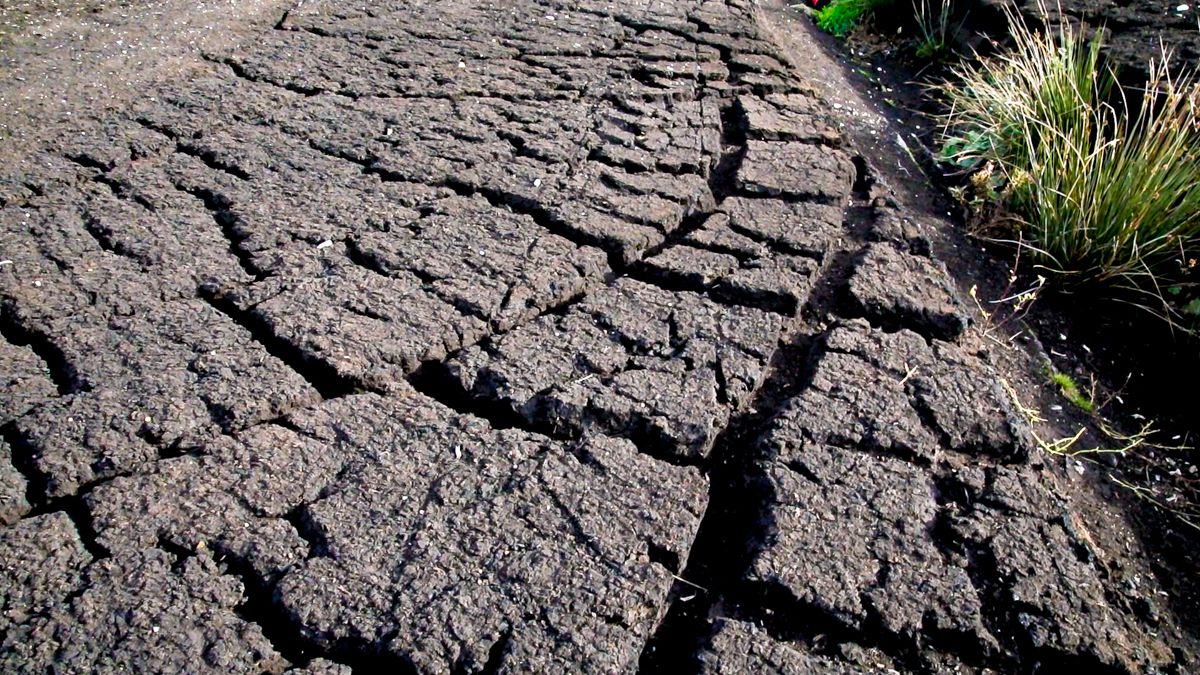
The Environmental Protection Agency (EPA) said that there has been “significant peat extraction” without planning permission, with no enforcement from local authorities.
It made these comments in a statement to the Oireachtas agriculture committee, where horticultural peat was the subject of discussion.
The EPA said that the European Commission noted “significant peat extraction activity, in the absence of planning permission or Environmental Impact Assessment (EIA), especially in relation to sites below 50ha”.
“Despite evidence of these ongoing illegal activities, it noted that enforcement action at the local level is not being taken.”
Peat has been a subject of much debate and discussion in recent weeks.
Earlier this month, the European Commission referred Ireland to the Court of Justice of the European Union (CJEU) for allegedly failing to comply with the EIA rules on peat cutting projects.
The commission said that Ireland failed to comply with an EIA directive from 2011, which requires member states to carry out an assessment of the environmental impacts of projects "likely to have a significant negative impact on the environment".
The Irish Peatland Conservation Council (IPCC) described the move as a "necessary and overdue step towards reversing biodiversity decline".
However, Independent Ireland TD Michael Fitzmaurice said the decision to refer Ireland to the Court of Justice of the EU is part of a "vendetta" against the likes of milling peat operators in Ireland.
Enforcement
In its statement to the Joint Committee on Agriculture and Food on Wednesday (June 24), the EPA highlighted that its regulatory powers have been strengthened recently.
Following a recent Court of Appeal judgement, the Oireachtas amended a section of the EPA Act 1992, with this amendment coming into force on May 8, 2026.
The amendment permits enforcement of an activity that “has been, is being or is likely to be” carried out.
This strengthens the EPA’s regulatory powers in enforcing the law with respect to illegal peat extraction operations, particularly where there is evidence of so-called project splitting.
In its statement, EPA said it has deployed resources to carry out 226 enforcement inspections of peat activities between 2021 and 2026.
It added that it is now firmly established in law that peat extraction activities on new or extended peatland areas of greater than 10ha require planning permission from the relevant local planning authority, and most are likely to engage EU law obligations under the EIA and Habitats Directives.
The agency said: "The associated consents and environmental assessments fall clearly within the jurisdiction of the local planning authorities.
"However, by virtue of Section 63 of the Act, EPA has a regulatory oversight role of the environmental performance of local authorities."
The EPA said that it is under this provision that it has been engaging with local authorities with regard to their enforcement of illegal peat extraction.
Over the past number of years, the EPA has gathered intelligence on as many as 38 peatlands of interest across seven local authorities. The local authorities concerned are counties: Offaly, Kildare, Tipperary, Westmeath, Roscommon, Longford and Sligo.
Recent intelligence and evidence gathered by the EPA confirms an additional six peatlands of interest where peat extraction is occurring.
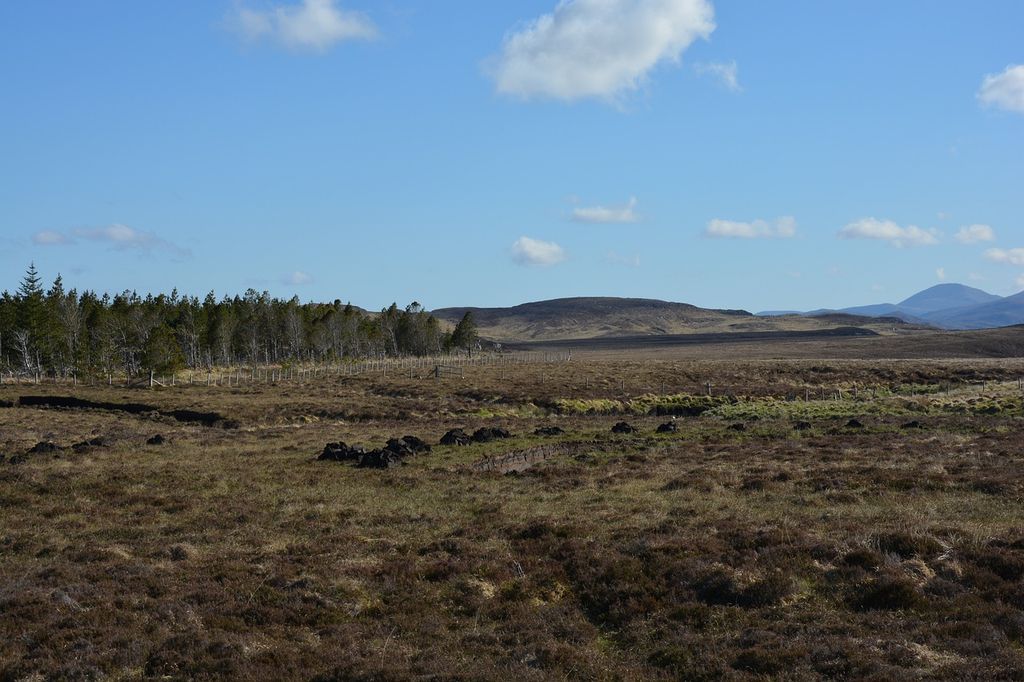
The EPA said that it shared all this intelligence with the local authorities for their consideration in their enforcement activities, and requested information on their enforcement plans for unauthorised peat extraction.
According to the EPA, the responses from the local authorities were "inadequate", leading it to direct each authority to prepare county-wide and site-specific enforcement plans using the intelligence that EPA shared with them as a starting point.
It said: "Only one of the local authorities has responded positively to this draft direction by putting in place a well-reasoned county-wide enforcement plan and has commenced some enforcement actions – that is Longford County Council.
"While EPA has not yet issued full Section 63 directions to the local authorities, this remains the logical next enforcement escalation where local authorities fail to meet their legal enforcement obligations."
It added that local authorities need to "step up to meet their legal obligations" as regulatory authorities, prioritise their resources and use the ample enforcement powers at their disposal to investigate all of the sites of interest within their jurisdiction and to "bring those illegal activities to an end and to protect our environment".
'Industrial scale extraction'
The EPA clarified in its statement that its enforcement actions are “not concerned with households exercising their lawful turbary rights to cut turf on non-protected bogs for their own consumption”.
“Rather it concerns the sophisticated unauthorised and illegal industrial scale extraction of peat by operators for profit,” it said.
“These operators are in flagrant violation of environmental law and are causing irreparable damage to our natural environment.”
It added that data provided by Central Statistics Office (CSO) shows that an estimated 370,000t of peat was exported from Ireland in 2025, valued at almost €40 million.
“Ireland imported just under 30,000t of peat in 2025. This data confirms that these damaging and illegal operations are taking place for very significant monetary gain at the expense of the Irish environment,” it said.
The EPA said that the environmental impacts of large-scale unauthorised peat extraction operating outside of any regulatory controls are “catastrophic” for the local environment
It continued: "They result in the destruction of vital ecosystems for biodiversity, the loss of important carbon sinks which flies in the face of efforts on climate change and harm to an irreplaceable cultural amenity and scientific resource.
“In the absence of regulation, operators are destroying the environment for profit and then abandoning these damaged landscapes of artificial lakes and exposed marl behind.
“These activities are destroying our precious natural environments and this needs to stop.”