Ireland referred to EU Court of Justice over peat cutting

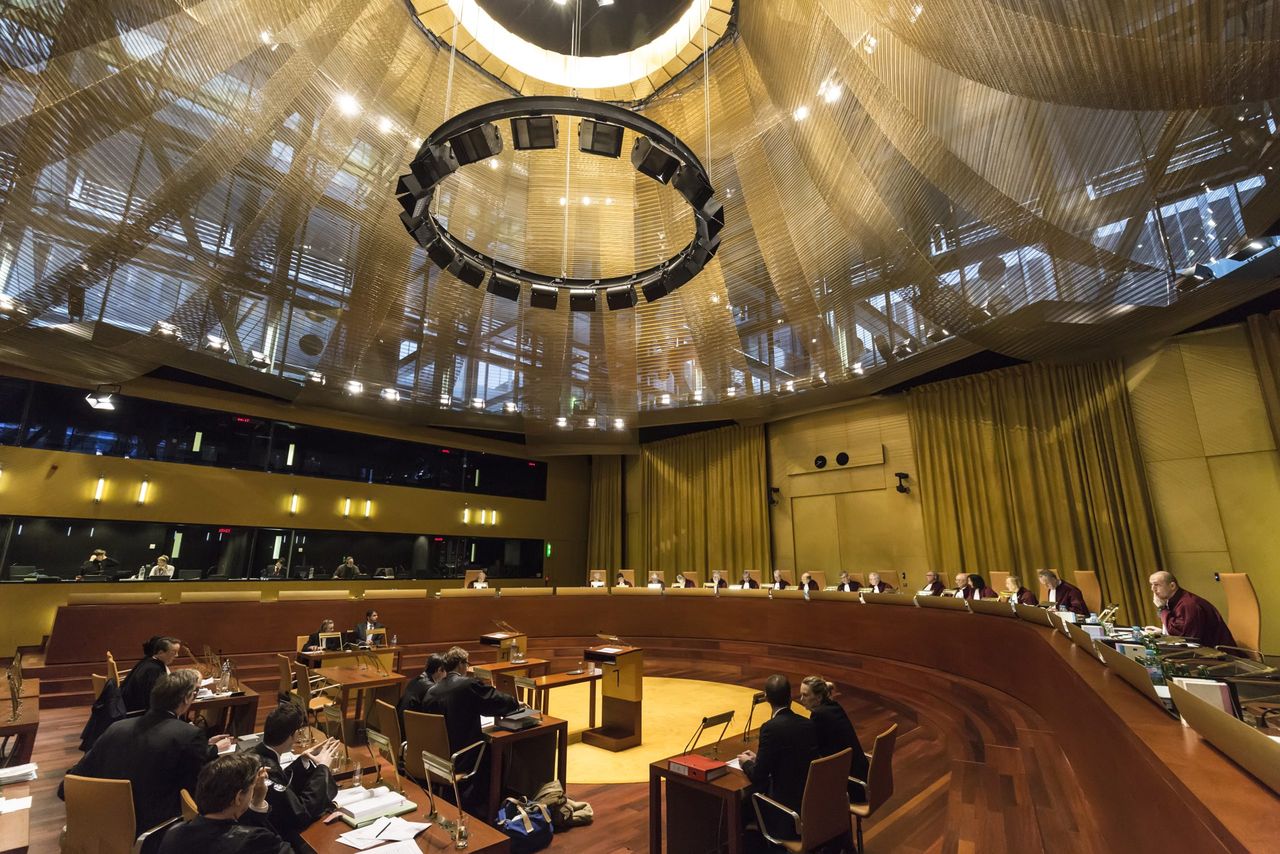
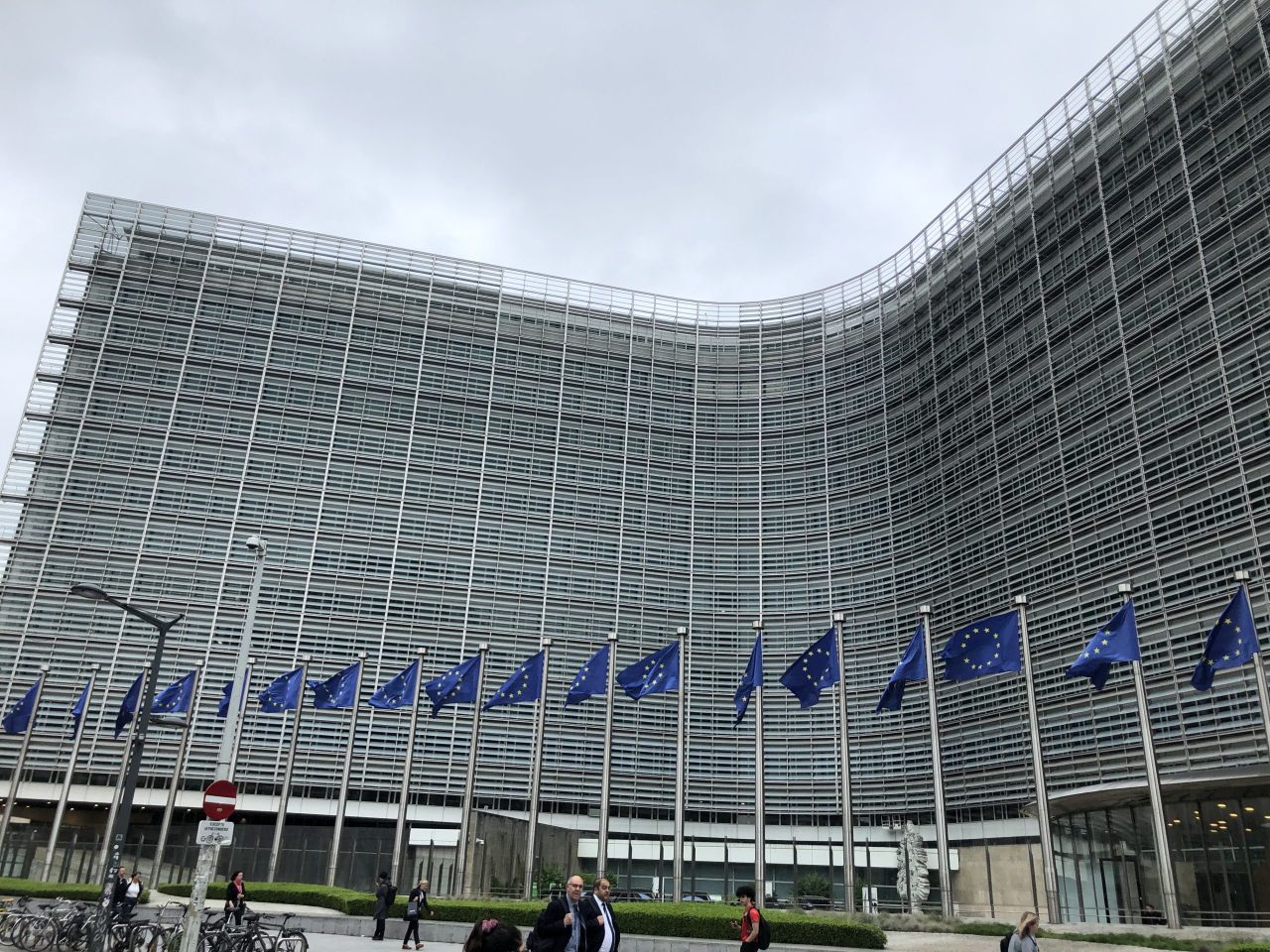
The European Commission has referred Ireland to the Court of Justice of the European Union (CJEU) for allegedly failing to comply with the Environmental Impact Assessment (EIA) rules on peat cutting projects.
The commission says that Ireland failed to comply with an EIA directive from 2011, which requires member states to carry out an assessment of the environmental impacts of projects "likely to have a significant negative impact on the environment".
Peat extraction falls under the scope of that directive.
According to the commission, these assessments "ensure public participation in the decision-making process of projects", and "guarantee the preservation of peatlands".
Although Ireland introduced legislation in 1999 to implement an EU court ruling under an earlier version of the EIA directive, the commission has stated this legislation was not followed up by enforcement action, and that, "in practice", Ireland has not ensured that all peat cutting projects are regulated and subject to an environmental impact assessment.
The commission started an "infringement" procedure against Ireland in July 2019 with a letter of formal notice, followed by a "reasoned opinion" in July 2020.
At that time, there were "significant peat cutting activities ongoing that had not been subject to planning permissions or environmental impact assessments", according to the commission.
The commission did acknowledge that, since July 2020, Ireland has taken "significant action" to halt peat cutting under the remit of Bord Na Móna.
The European executive institution also noted that, since July 2020, the Environmental Protection Agency (EPA) has been undertaking enforcement action against operators on privately owned commercial sites of over 50ha, resulting in some commercial peat operators halting their activities.
However, the commission said it is "aware that there is still significant peat cutting activity, which is not subject to planning permission or environmental impact assessment, especially in relation to sites below 50 hectares".
"Despite evidence of these ongoing illegal activities, enforcement action at the local level is not being taken.
"The commission considers that efforts by the Irish authorities have been insufficient and is therefore referring Ireland to the Court of Justice of the European Union," the commission said in a statement.