Govt urged to expand practical food education in schools

The government is being urged to expand practical food education in schools.
GIY (Grow It Yourself) said this comes amid "growing concern about the impact of ultra-processed foods (UPFs), poor diets and declining food literacy on children’s health and wellbeing".
The organisation said that Irish children are becoming "increasingly disconnected from where food comes from, how it is grown and what healthy, whole food actually looks like".
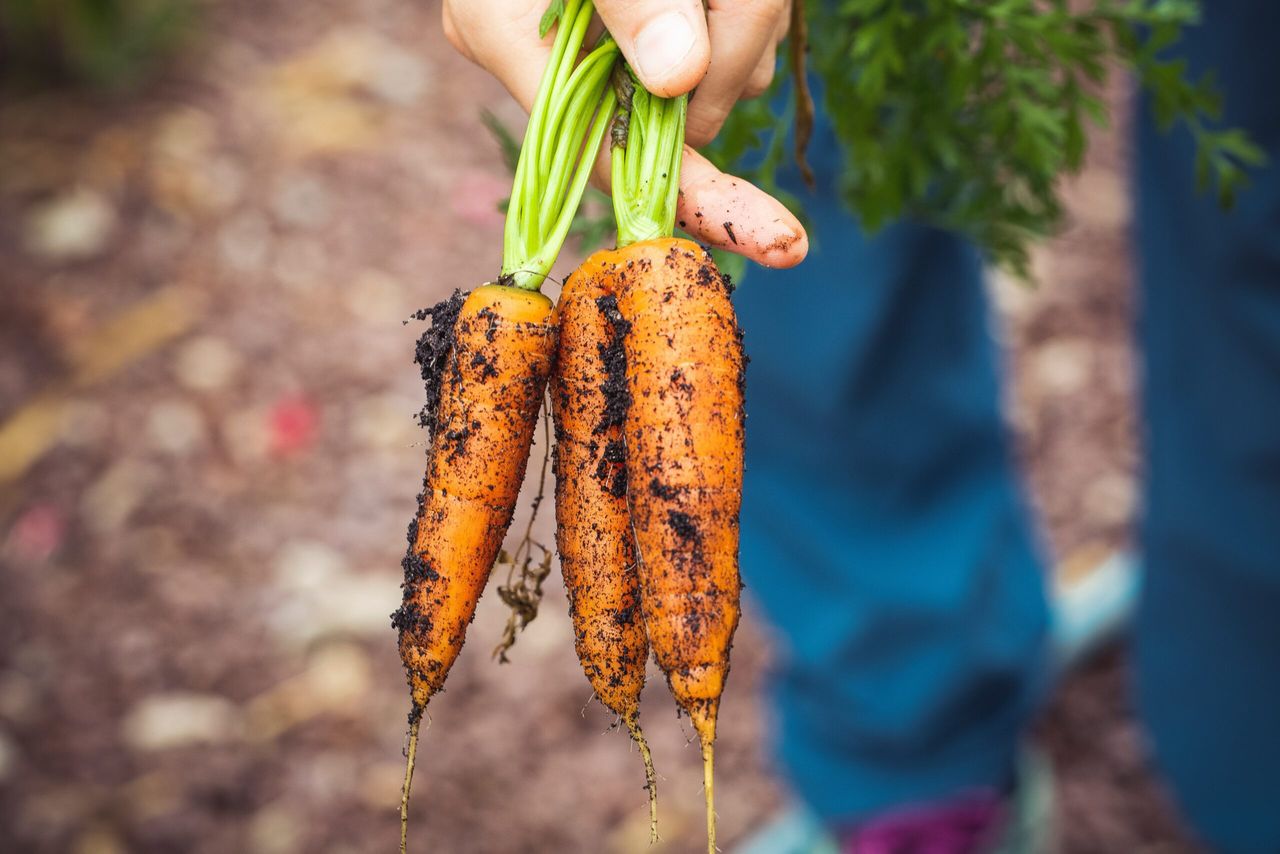
GIY said that UPFs now account for an estimated 46% of the Irish diet and that children "can now more quickly recognise fast food logos before they know where a carrot comes from".
Govt urged to act
GIY said that more than 200 primary schools are currently waiting to access its ‘GROW at School’ programme, which uses food growing and hands-on learning to help children reconnect with real food, nature and healthy eating habits.
The programme is currently active in approximately 650 schools nationwide, but GIY said demand is now far outstripping available funding and capacity.
The organisation is calling on the government to commit €3 million over four years to expand the programme to reach 75% of Irish primary schools - a cost of approximately €7 per child.
GIY said the investment would represent a "tiny fraction of the Department of Social Protection’s annual spend on school meals, while helping children develop the knowledge, confidence and habits needed to make healthier food choices throughout their lives".
Food education
GIY founder and broadcaster Mick Kelly said Ireland is investing heavily in feeding children through school meals, but not enough in helping them understand food itself.
“Children today are surrounded by UPFs and disconnected from where food comes from, how it is grown and how it affects their health and wellbeing," Kelly said.
“If we are serious about improving children’s long-term health, resilience and relationship with food, then food education has to become a core part of school life - not an optional extra."
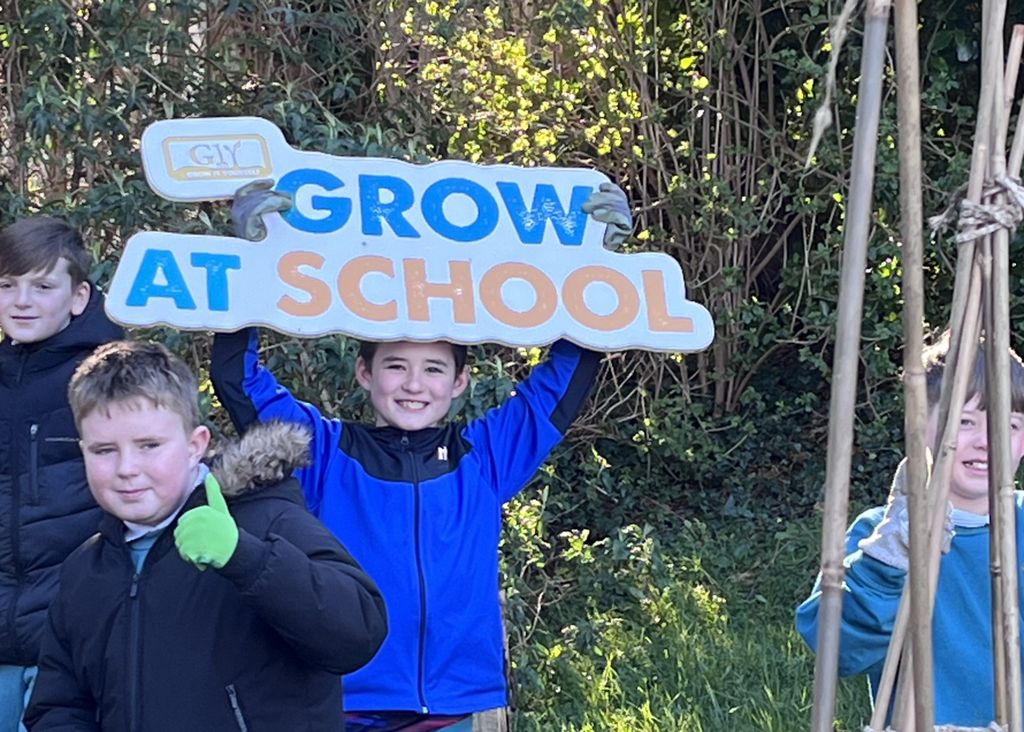
GIY said evidence shows that children who grow food are more likely to eat fruit and vegetables, try new foods, and develop healthier eating habits.
The organisation argued that food-growing also delivers broader wellbeing benefits for children - particularly in communities experiencing disadvantage.
Food education
Children participate in growing experiences as part of schools' wellbeing and food education work, such as at Knockmore Senior School in Killinarden in Dublin.
Sarah Curran, deputy principal, explained: "The students in our school gardening club have benefitted in so many ways from hands-on, interactive approaches to learning.
"Being in the outdoors interacting with nature and getting their hands dirty has helped students learn how to regulate themselves.
"It has a calming impact for some students who struggle to focus.
"It has taught our students core life skills such as teamwork, responsibility and how to nurture."
GIY’s head of education, Mary Bishop said programmes like this demonstrate that growing food in schools is "not simply about gardening, but about helping children reconnect with themselves, each other and the natural world".
GIY said the proposed €3 million investment would allow the programme to scale rapidly using a national network of trained facilitators, enabling schools across Ireland to access growing resources, workshops and curriculum-linked supports.
The organisation is now urging the government to include dedicated funding for school food education and growing programmes in Budget 2027.