‘Energy transition is a rural transition’ - communities group

The communities asked to shoulder the burden of infrastructure for Ireland's climate transition must “be guaranteed a fair share of its value”, according to Irish Rural Link (IRL).
The network, which represents rural communities, said that the economic future of the state must be built on “fairness, inclusion and solidarity”, including in the Climate Action Plan.
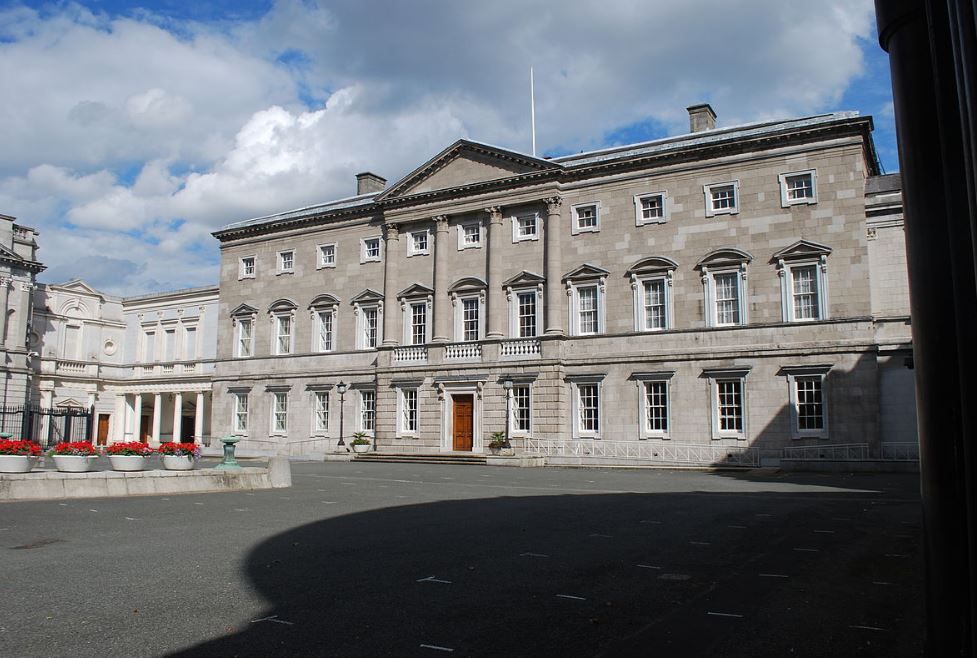
IRL made the comments ahead of the National Economic Dialogue (NED) in Dublin Castle yesterday (Monday June 15), where policymakers gathered under the theme ‘Reforming Now for a Secure Future: Putting Future Forty into Practice’.
Speaking ahead of the dialogue, IRL chief executive Briain Smyth said the physical reality of the transition is too often missing from the national debate.
He added: “The energy transition is a rural transition.
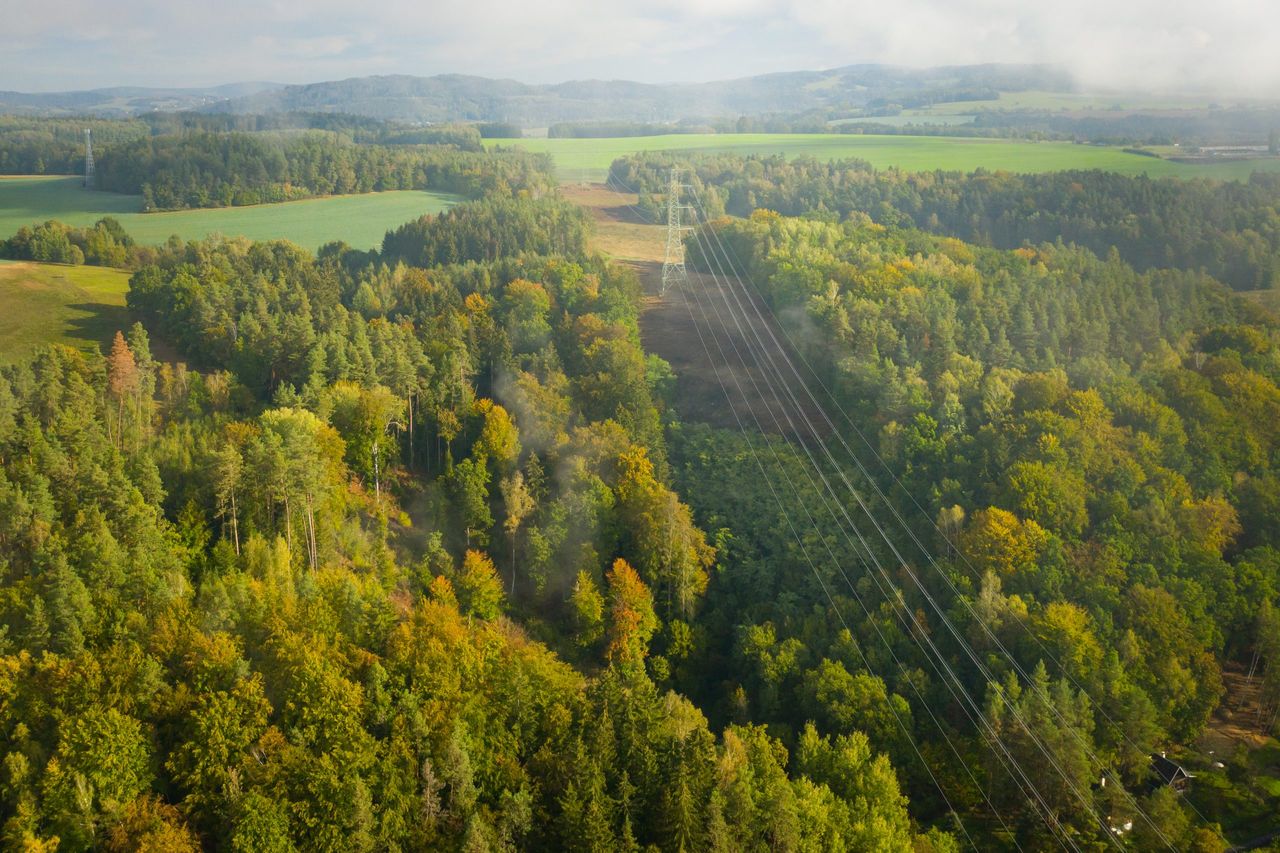
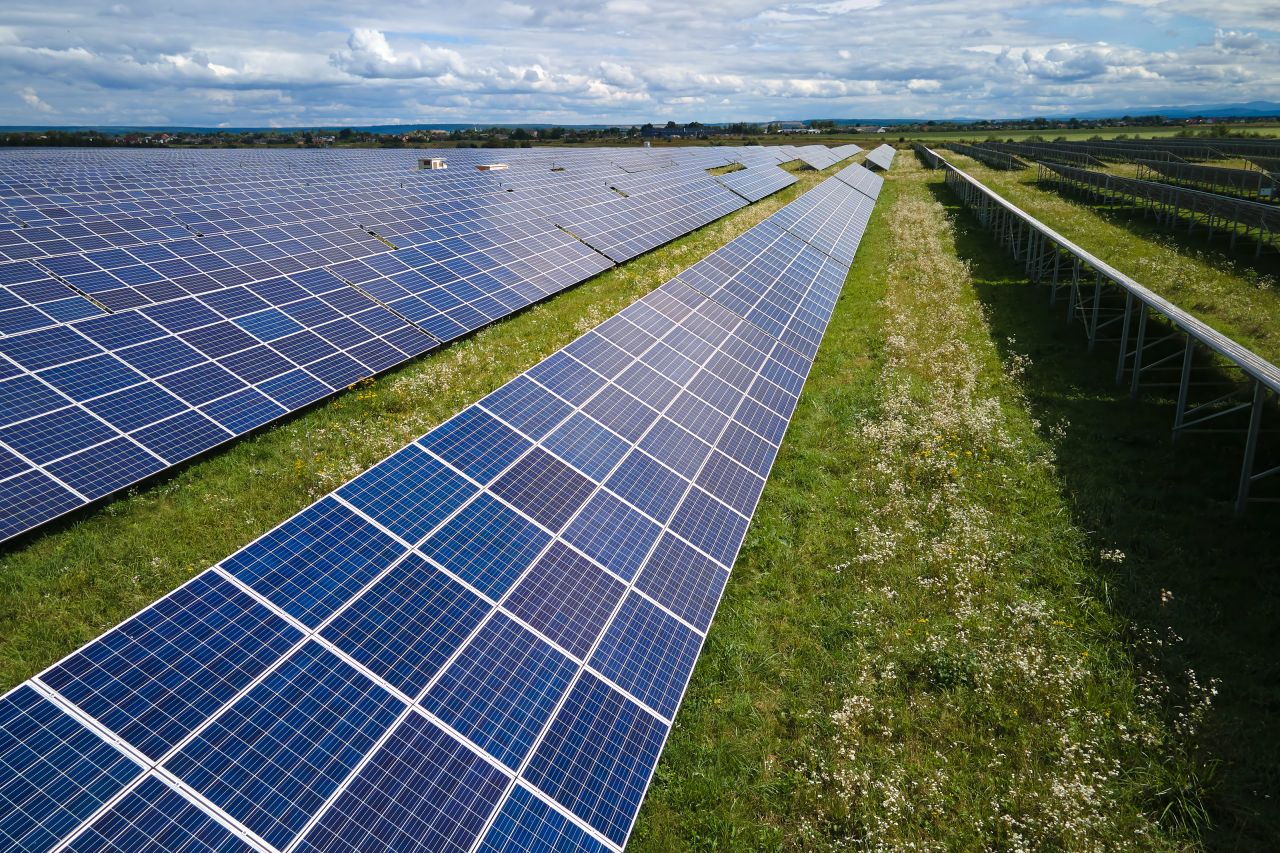
“The wind farms, the solar, the grid that carries it, the changes in how land is used, the adjustment being asked of farming, all of it is built in rural Ireland, on rural land, beside rural homes.
“And it falls hardest on the communities least able to carry the cost.”
‘Community control’
According to IRL, farming carries the "heaviest burden" of the energy transition.
It added that rural households are "among the most exposed to rising energy costs, yet too often the decisions, and the benefit, settle elsewhere".
Smyth said: “Rural Ireland cannot be left behind by this transition when it is being asked to deliver it.
"The only fair and workable basis for that is to make sure the communities hosting it share properly in what they host.”
The group said that central to that idea is reform of the Community Benefit Funds attached to renewable projects.
Projects supported under the Renewable Electricity Support Scheme (RESS) must pay a minimum of €2 per megawatt hour into a Community Benefit Fund for 15 years.
IRL said these funds should be under "genuine community control" and used to deliver legacy community infrastructure.
“This money is the community’s share in what is being built on their doorstep, not the developer’s charity and not a badge for corporate giving,” Smyth said.
“It is the foundation of a real social licence. It should be run by the community itself, kept out of the hands of outside interests, and used to deliver lasting community infrastructure - the upgrades and the community vehicles that let schemes like Meals on Wheels and rural transport grow and serve more people.”
Ownership
According to IRL, Renewable Energy Communities (REC) - where local people, farmers, businesses and community groups develop and own renewable projects - should be central to how Ireland builds out wind, solar and the grid, “not an afterthought to commercial development”.
Real ownership, according to the IRL, is the "strongest social licence there is".
“The next step is ownership,” Smyth continued.
“If we are serious about bringing communities with us, Renewable Energy Communities cannot be left on the margins, they have to be central to how we deliver.
“A community that owns a share of what is built on its own land has the strongest stake of all in seeing it work.”
Climate Action Plan
The government’s Climate Action Plan targets 9GW of onshore wind, 8GW of solar and 5GW of offshore wind by 2030, and 80% of electricity from renewables.
According to IRL, most onshore energy generation is built in rural areas.
It added that agriculture carries the "largest single share of national emissions".
IRL stated that the Renewable Electricity Support Scheme' (RESS's) own rulebook describes the fund "not as compensation but as the community’s share in the benefits of the project", and provides for funds to be retained to create a lasting legacy for communities.
Irish Rural Link has a membership of more than 600 rural community groups dedicated to sustainable rural development, and represents rural communities at national and international level.