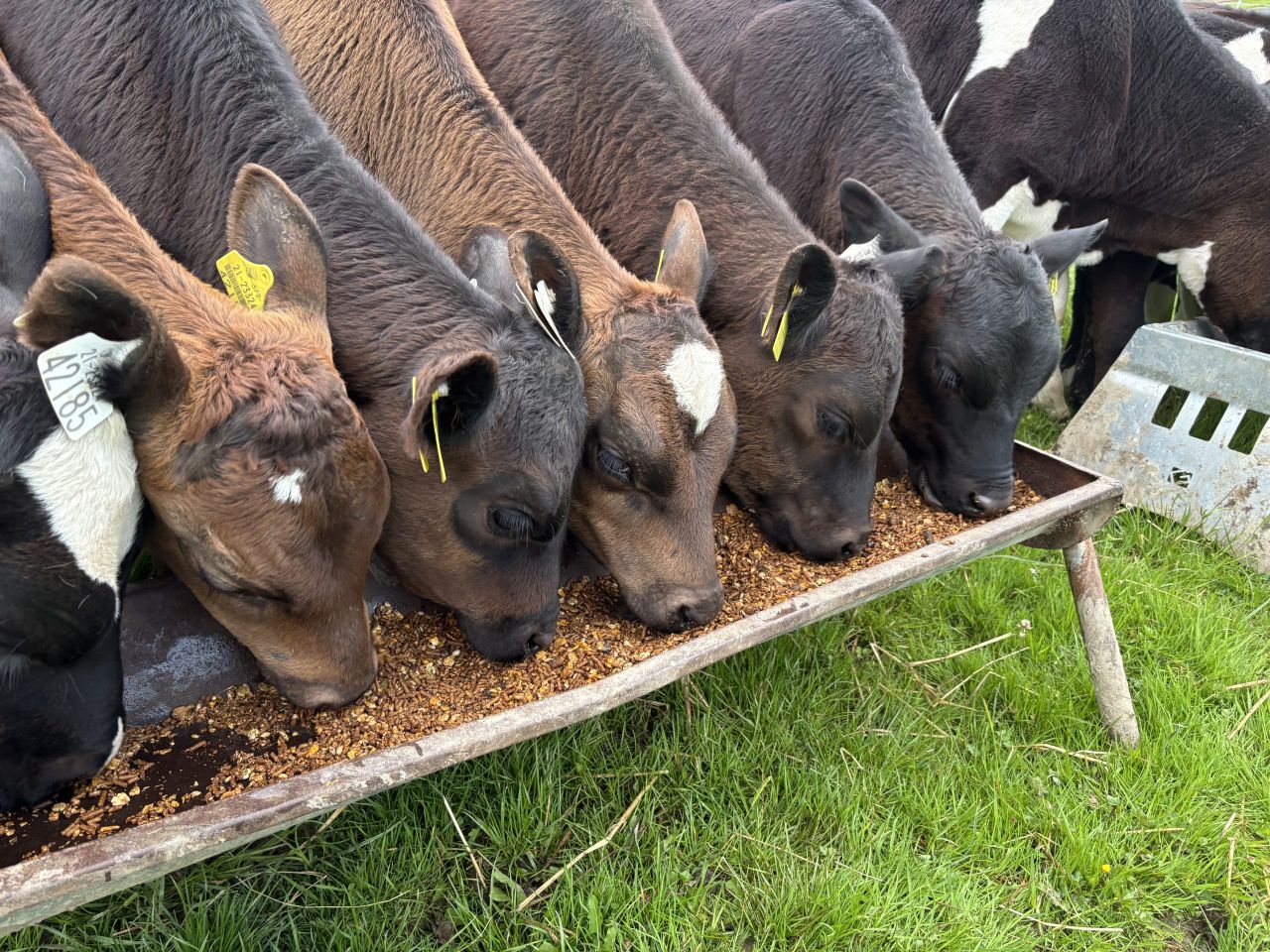
Timing of final fungicide application on spring barley crops 'critical'

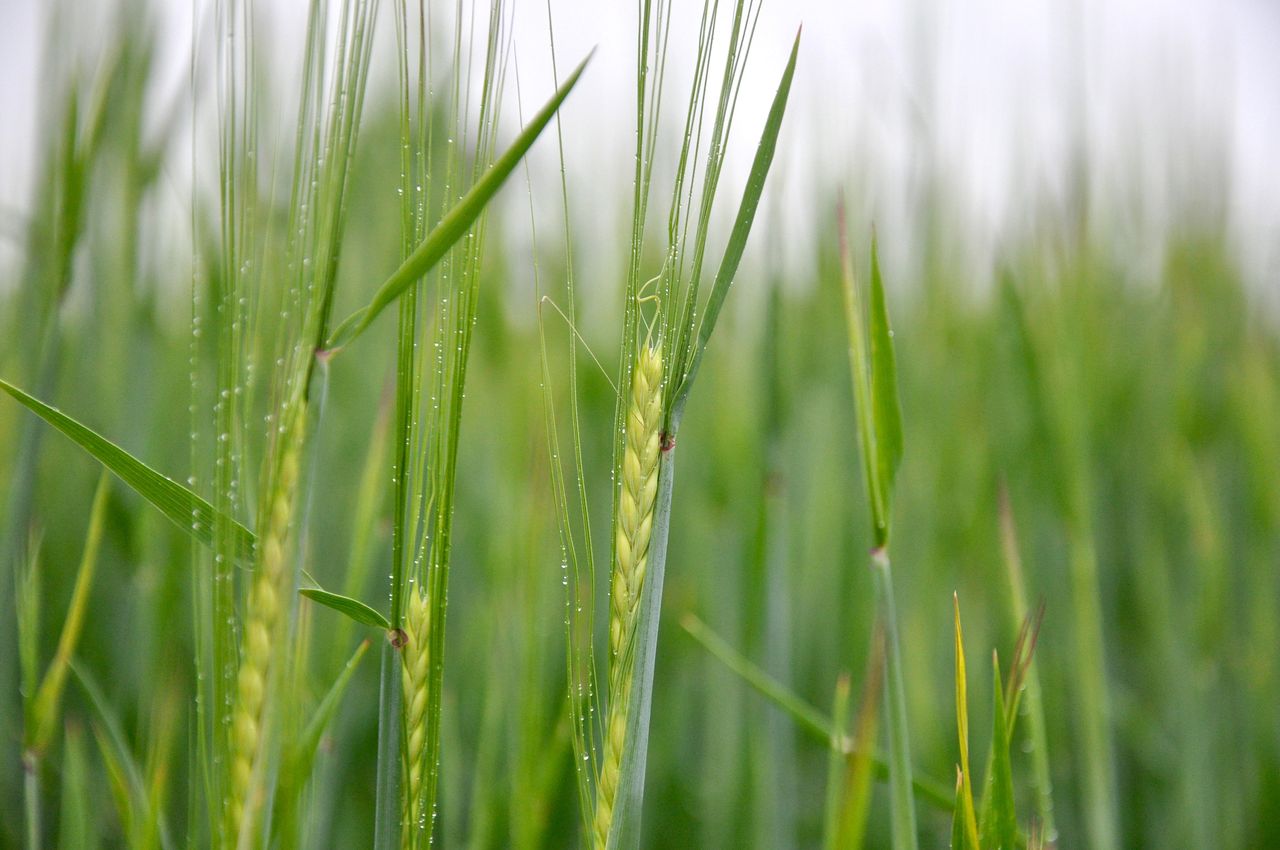
There are four cohorts of spring barley crops growing in Ireland at the present time, according to Teagasc.
This unfolding scenario represents quite a complicated challenge for growers as they decide which fungicides to use and when to apply them.
Crop development up to this point has been defined by a number of factors, including date of planting, subsequent rainfall levels, and the effect of record temperatures in late May.
Teagasc tillage specialist, Shay Phelan, commented: “Given the wet spring, only very dry sites around Carlow, Enniscorthy, or Athy saw any early drilled crops; the vast majority were drilled in April.
“Those few early drilled crops are now at awns emerged and many already have received their final fungicide. For most, however, this is due in the coming week or fortnight.”
Significantly, disease levels in spring barley to date have been very low, with very few reports of common diseases such as rynchosporium, net blotch, or indeed mildew.
Regardless, most crops have already received a fungicide sometime over the last few weeks.
“However, we are hearing that some may not yet have received any at all so far," Phelan said.
"So, at the moment, there are probably four different types of spring barley crops when it comes to disease control.”
March-drilled crops are already at awns peeping and have received their fungicide where spraying opportunities allowed. If not, these are now due.
The next cohort comprises April-drilled crops, where spray timings are up-to-date and the first fungicide was applied two to three weeks ago.
Following on from this are April-drilled crops, where fungicides were only applied in the last week to 10 days.
And, finally, there are those April-drilled crops with poor potential and no fungicide applied yet.
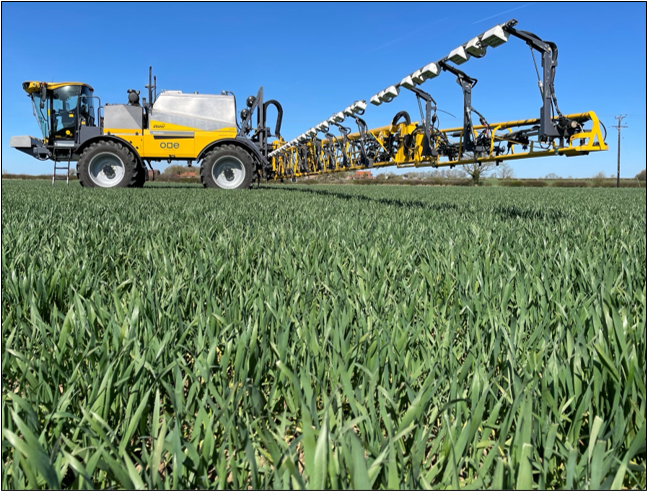
“These are the types of situations that we are being asked questions about recommendations on the final fungicide applications," Phelan said.
“They are all different crops with different levels of control strategies being implemented.”
Crops in the first two cohorts identified above represent a very straightforward scenario: it is simply a case of applying a fungicide at the ‘awns peeping’ stage.
Cohort three will prove more difficult in that the natural inclination if fungicides have recently been applied is to wait for two to three weeks before the final fungicide is applied, regardless of the growth stage.
This is where yield can be lost very quickly. Teagasc trials show that there is a potential loss of up to 0.4t/ha by delaying that final fungicide.
It is not unusual for spring barley crops to race from late tillering to flag leaf emerged in a few short weeks, especially if they are under drought stress, etc.
So it is easy to be caught out by the speed of development of these types of crops.
Cohort four is another tricky one in that those crops with poor plant stands usually do not yield, so making the decision to not spend money can sometimes be tricky.
Fungicide programmes can show yield responses of up to 2.75t/ha, but only in crops with high yield potential and trying to predict that yield potential is tricky.
History of the crop on the farm is usually a good indicator of what it will yield given a set of circumstances.
Correct timing
Regardless of the crop, the correct timing of the final fungicide is as the awns emerge. At this stage, the aim is to delay the onset of ramularia in the crop.
Net blotch or rynchosporium should be controlled at this stage, so the need to stretch the interval from the previous fungicide, if any, does not apply.
Ramularia will start to infect the lower leaves and work its way up through the crop.
The longer growers delay the application of the final fungicide, potentially, the quicker it will spread.
Ramularia cannot be cured once it starts to infect a crop.