Dutch farmers offered €4.2bn since 2019 in ‘termination’ schemes

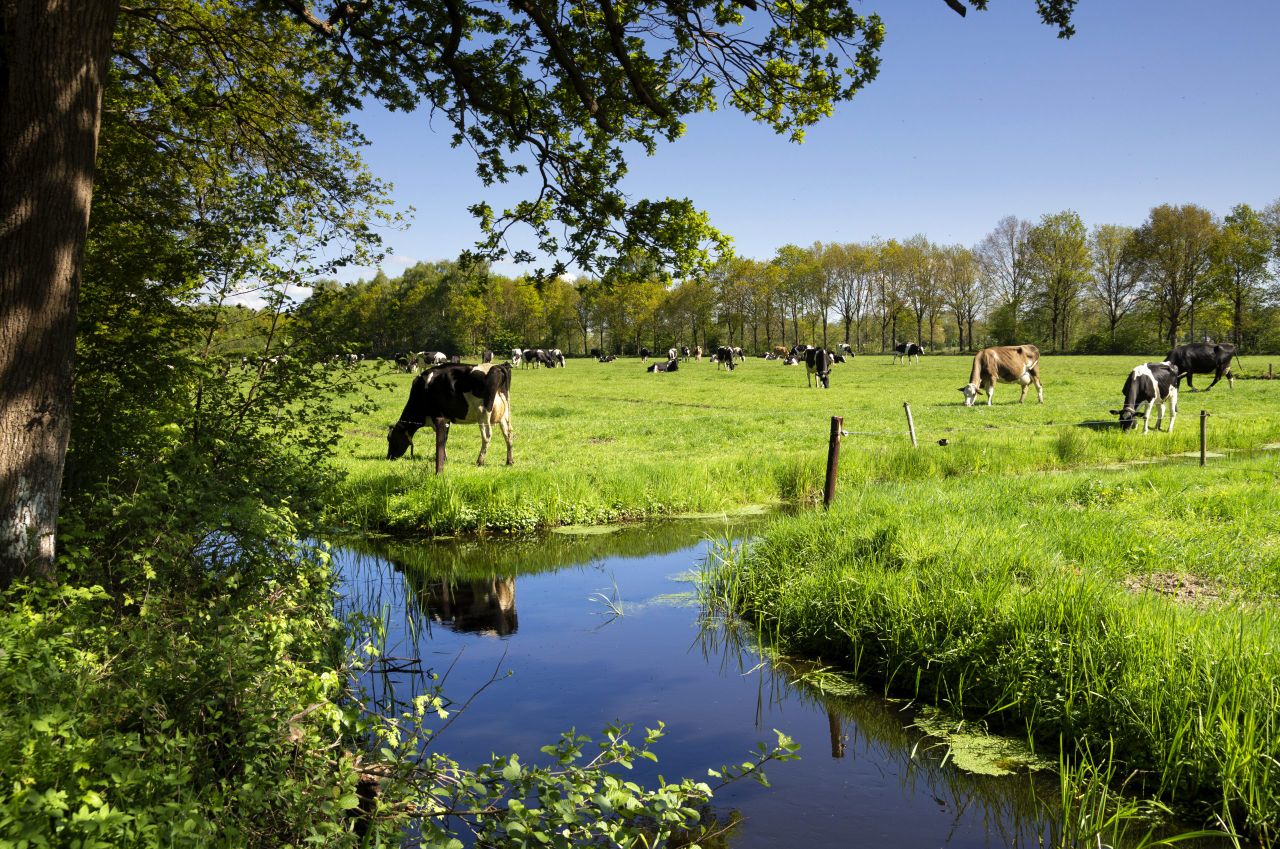
Dutch livestock farmers who wished to cease operations have had €4.2 billion made available to them over the period 2019-2025.
The funding comes from schemes aimed at reducing nitrogen emissions from livestock farming, introduced by Jaimi van Essen, Minister of Agriculture, Fisheries, Food Security and Nature (LVVN).
According to a report from the Netherlands Court of Audit, which investigates public fund spending, nitrogen (ammonia) emissions from livestock farm stables fell by 18% over that same period.
Titled ‘Focus on Nitrogen from Livestock Farms’, the report said: “Half of the reduction is due to livestock farmers making use of schemes to cease their operations.”
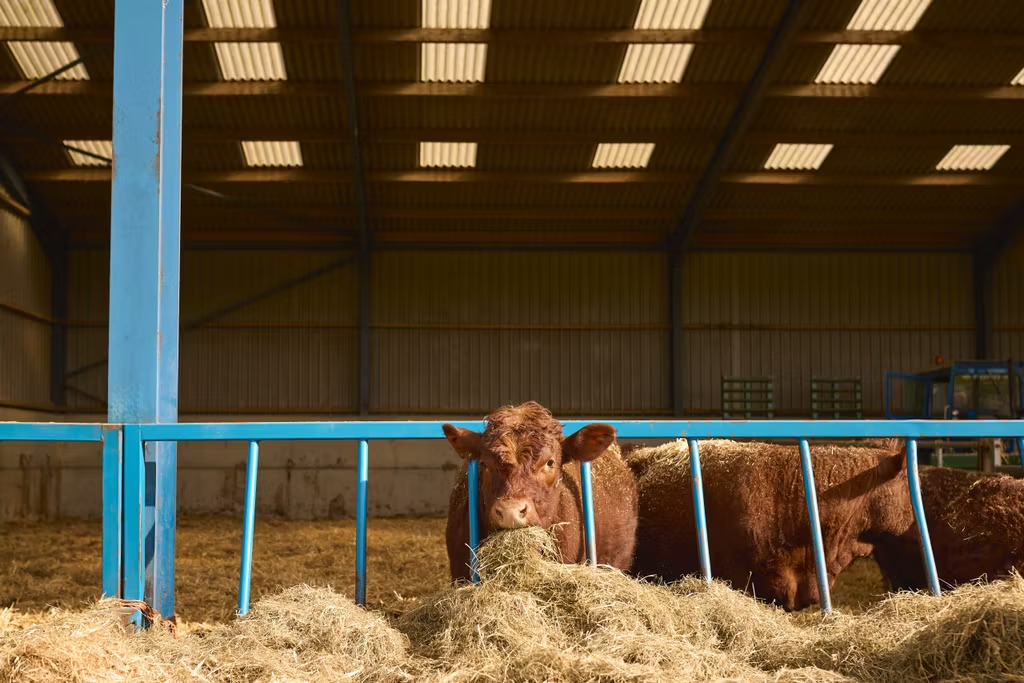
For the report, the Netherlands Court of Audit investigated ammonia emissions from livestock farmers' barns, which it said account for approximately half of such emissions from livestock farms.
The remainder of ammonia emissions originate from outside the barns, for example, through the spreading of manure on agricultural land.
Nitrogen emissions from livestock farmers account for slightly less than half of the total nitrogen emissions in the Netherlands, the report said, with the remainder coming mainly from industry and transport.
The analysis shows that national barn emissions decreased by 10,700t (18%) in the period 2019-2024, stating that half of this decrease is related to the termination schemes.
Breakdown of livestock farmers
Since 2019, 1,329 livestock farmers in the country have made use of one of the five termination schemes investigated by the Court of Audit.
According to the report, cattle farmers (dairy and beef) participate less in the termination schemes than other livestock farmers.
Of all cattle farmers in the Netherlands, 2% participated in a termination scheme, compared to 5% of poultry farmers and 8% of pig farmers, the report said.
The reduction in barn emissions from cattle farms is also smaller than that of other livestock farms.
Although cattle account for 57% of barn emissions, this decreased the least since 2019, as the number of animals fell by 7% between 2019 and 2025 and barn emissions by 11% over that period.
For chickens and pigs, the number of animals decreased by 14% and 28% respectively over the same period, and barn emissions by 20% and 35% respectively.
Unused funding
Budgets for voluntary termination schemes are often not fully utilised, according to the report.
In total, the minister made €4.2 billion in budget available for the termination schemes from 2019 through 2025; 38% has not been spent.
The report found that with the unspent €1.6 billion, an additional 3,300t could have been achieved in emission reductions.
According to the report, Minister van Essen had indicated he would submit his nitrogen policy to Parliament before the summer of 2026, but had not been seen by the Court of Audit by time of publication.
It added that the cabinet of Prime Minister Rob Jetten is also working on a plan to reduce nitrogen emissions in zones close to vulnerable nature areas.
A relatively large number of cattle farmers are active within 1km of these vulnerable nature areas, within which they are responsible for 69% of the emissions.