Dutch study compares effectiveness of treatments for bluetongue in sheep


Researchers in a new Dutch study have emphasised the importance of "timely and humane decision-making" as they compared treatments for bluetongue in sheep.
Researchers said that in naive sheep populations, "survival can be very limited, even with intensive supportive care".
This is according to the findings of a new study published by the Irish Veterinary Journal, 'Clinical observations from a study comparing two different treatments for bluetongue in sheep'.
The study, of which an unedited version was published this week, was carried out by researchers at Utrecht University in the Netherlands.
BTV-3 in the Netherlands
The report highlights that in September 2023, the official national reference laboratory confirmed the presence of bluetongue serotype-3 (BTV-3) in the Netherlands.
"In the following weeks, it appeared that the infection caused very severe clinical signs in sheep, but it was challenging for the involved veterinary clinicians to select appropriate labeled drugs to treat them," according to the study.
"As all animals in the country were naive for the infection, the virus spread rapidly in the following months, resulting in a large-scale epidemic that affected thousands of ruminants across the country.
"The objective of this study was therefore to document theclinical presentation and survival outcomes of sheep affected by bluetongue and to evaluate the effects of a treatment protocol with and without antihistamines."
Study
As part of the Dutch study, from a group of 83 sheep with acute and clear clinical signs of bluetongue, one group of 41 sheep received a single injection of meloxicam (a non-steroidal anti-inflammatory drug [NSAID]) followed by oral paracetamol tablets.
Another group with 42 sheep received the same treatment with the addition of an antihistamine injection (chlorphenamine maleate).
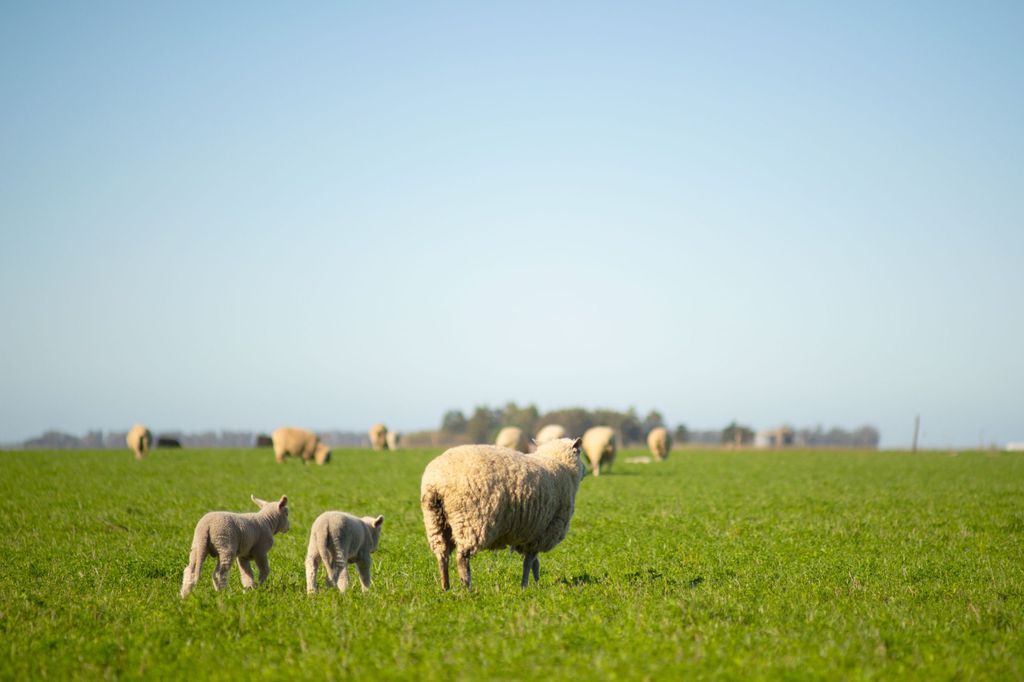
The researchers said while paracetamol was not licensed for sheep, they "concluded that paracetamol could be used in sheep legally under the EU cascade regulation as a maximum residue limit was established for swine", and based on other research, "sheep are believed to metabolise paracetamol effectively".
"In addition, we considered the use of an antihistamine for its potential anti-inflammatory effects in BTV infections," the report said.
"Chlorphenamine is an antihistamine drug that has a maximum residue limit opinion for all food-producing species, which allows the use of chlorphenamine for sheep in the EU.
"Given these considerations, we decided to document the effect of a treatment protocol that is allowed according to EU legislation, consisting of single NSAID injections combined with paracetamol tablets on clinical signs and survival of bluetongue-affected sheep and to evaluate the additive effect of antihistamines."
Fatality rate
An overall case fatality rate of 57% was observed, the study said, which "illustrates the challenge in treating infected naive animals with BTV-3".
"The most commonly encountered clinical signs were excessive salivation, dyspnea, depression, and lameness," according to the report.
"Severe salivation was associated with significantly reduced survival time.
"The mean survival time for the group treated with antihistamines was 0.8 days, whereas it was 2.5 days for the group without antihistamines."
Naive sheep
The paper said the study was conducted in a herd at a teaching farm with 260 sheep, including ewes of varying age and their lambs of around nine months of age.
"Given the official free-status of the Netherlands, all sheep were naive for BTV-3 before this outbreak."
The researchers said their findings "support previous reports that BTV infections can result in high case fatality rates in naive sheep, even when evidence-based supportive treatment protocols are applied".
"Our protocol aimed to improve animal welfare and survival and included routine patient monitoring, NSAID administration, and oral paracetamol.
"Nevertheless, the result was poor in many cases.
"It is important to note that our policy of euthanising animals whose condition worsened, may have contributed to the observed fatality rate.
"However, given the severity of the observed clinical signs, and the fact that many sheep died naturally, we believe that the impact of this policy on the results of the study was limited."
Decision-making
Researchers concluded that predicting survival in BTV-3-infected sheep "on the basis solely of clinical signs is difficult".
"Furthermore, in naive populations, survival can be very limited, even with intensive supportive care.
"Given the absence of evidence for a survival benefit from antihistamines, we recommend focusing on timely and humane decision-making regarding treatment continuation to minimise unnecessary animal suffering."
Researchers said that the results of this study may not be representative of bluetongue infections caused by other serotypes or under different conditions.
"Based on our findings, however, we cannot recommend the use of antihistamines for treating bluetongue-affected sheep, as they did not improve survival," the study said.