Grass management during the summer for dairy beef systems

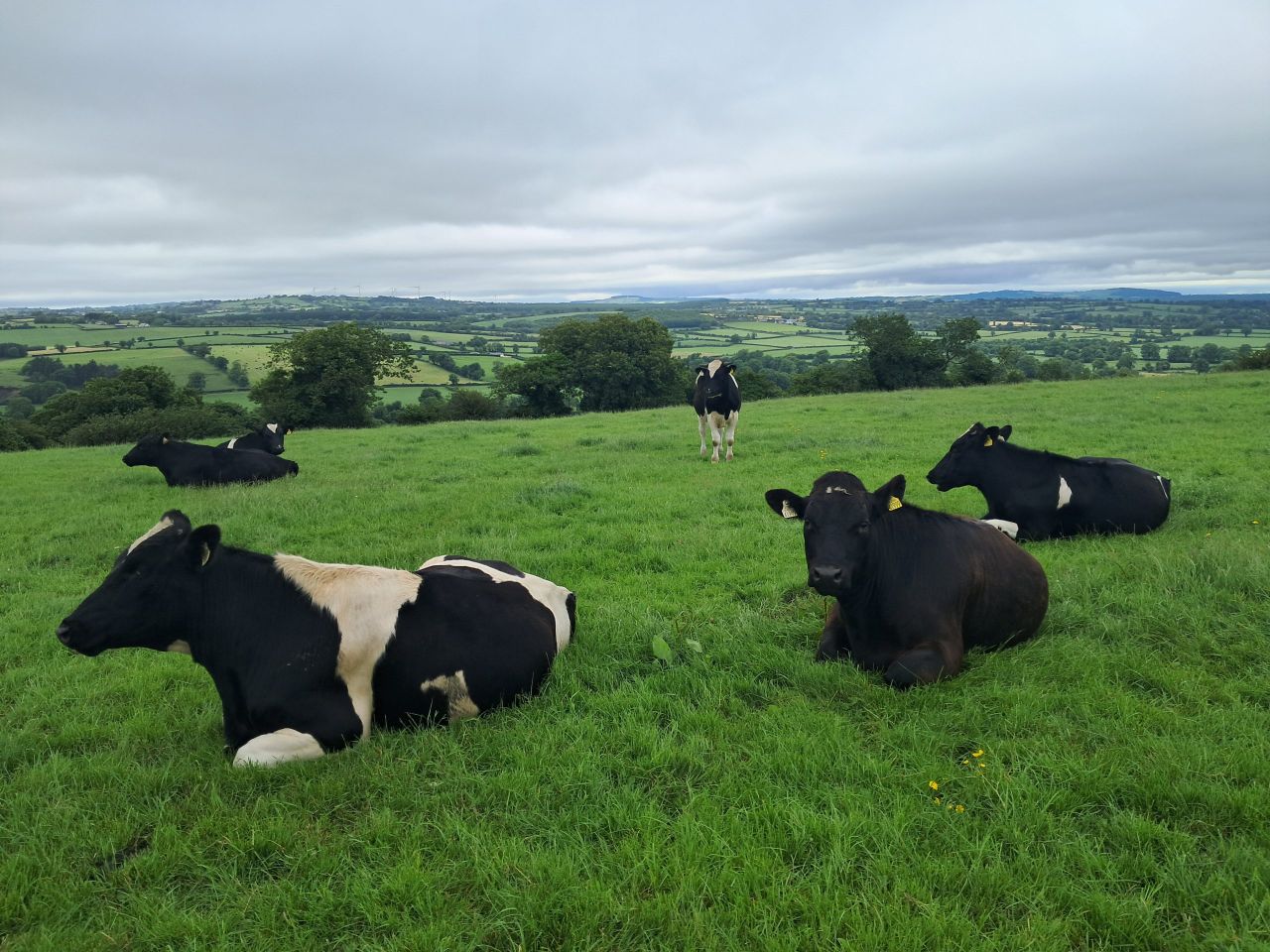
With many dairy beef farmers having purchased stock, focus will turn to optimising growth over the summer months. As grass is the primary fodder source, grass growth must be prioritised.
With warmer summer temperatures predicted, grass growth will experience a boom, provided there are sufficient moisture levels in soils.
PastureBase Ireland (PBI) data shows an average growth rate nationally of low- to mid-60s of kilogrammes of dry matter per hectare per day (DM/ha/day), with the west coast experiencing the highest growth rates.
Mayo achieved a growth rate of 72kg DM/ha, while Leitrim saw the highest rates, with 88kg DM/ha.
Dry-stock farms saw an average farm cover (AFC) of 760kg DM/ha up to June 16, according to PBI. This is ahead of the Teagasc AFC target for dairy beef farms of 650kg.
Cover/Livestock Unit (LU) is less often used on dairy beef farms as they tend to have lower stocking rates than intensive dairy farms. Where used, farmers can target cover/LU of 160-180kg DM.
PBI will calculate the cover/LU for farmers when grass walks are entered. Walking the farm every 5 days is advised by Teagasc in the summer.
Demand on dry stock farms was 44kgs DM/ha on June 16. This means that every day, the cattle on farm will reduce the AFC by 44kg DM, if in theory there was to be no growth.
As growth far exceeds the 44kgs on the majority of farms, then the AFC will increase. If growth is 64kg DM/ha, and demand remains at 44kg, then AFC will increase by 20kg per day.
This will result in grass building up, so to maintain AFC, farmers can cut excess grass as silage.
As June is the peak month for perennial rye grass heading out, then grass will become stemmy at a quicker rate. This will result in grass quality declining.
Poor quality grass will result in reduced intake, slowed growth and also promote poor quality grass grazing in the next round, as poor graze outs lead to build up of stemmy material in future.
Dairy beef farmers should maintain an opening cover of 1,400kg DM/ha to ensure optimum quality and operate on an 18-21 day round. If farmers find themselves entering covers above 1,800kg DM/ha frequently then it is a sign that AFC is gone too high.
A farmer can observe grass quality based on the leaf stage of a plant. The best grazing conditions are when the grass is at the three leaf stage, as this is when the grass is most palatable and digestible.
The grass plant can only sustain three leaves at a time, so any additional leaves require an older leaf to die, resulting in build up of dead material at the base of a plant.
When plants go beyond the fourth leaf stage, the stem often becomes 'white' and this is a sign covers are typically in excess of 2,000kg DM/ha. These are not suitable for optimal grazing so should be taken out of the rotation for silage.
It takes the plant typically 21 days to produce the three leaves, hence the target rotation of 21 days; however, in optimal conditions it can take as little as 15 days and regularly takes only 18 days during May and June.
Farmers should not be concerned if the first and second leaves are slow to develop, as the plant is in a recovery period post grazing and the third leaf is the fastest growing.
To reduce the recovery period, keeping grass height post grazing to 4-4.5cm will ensure the plant can return to the rotation as quickly as possible. Over grazing can be as damaging to sward recovery as under grazing.
Fertiliser
Dairy beef farmers should aim to keep on top of fertiliser requirements. Utilising the soil index as a tool for targeting applications will boost growth and reduce waste.
Where bales are taken off due to excess growth, it is important to remember to resupply these fields with nutrients. Every one ton of DM/ha (approximately 4.5 bales/ha) removed will require resupplying the field with 4kg of phosphorous (P) and 25kg potassium (K).
Standard slurry at 1,000 gallons per acre (approximately 2,500 gallons per hectare) will balance the offtake from four bales/ha.
Testing slurry is beneficial, as blindly applying slurry may result in nutrient deficiencies hampering future growth.
Above all, Teagasc advise farmers to get out into fields as decisions cannot be made without current, reliable and accurate information.