Dung sampling 'not a reliable test for detecting lungworm' in young cattle

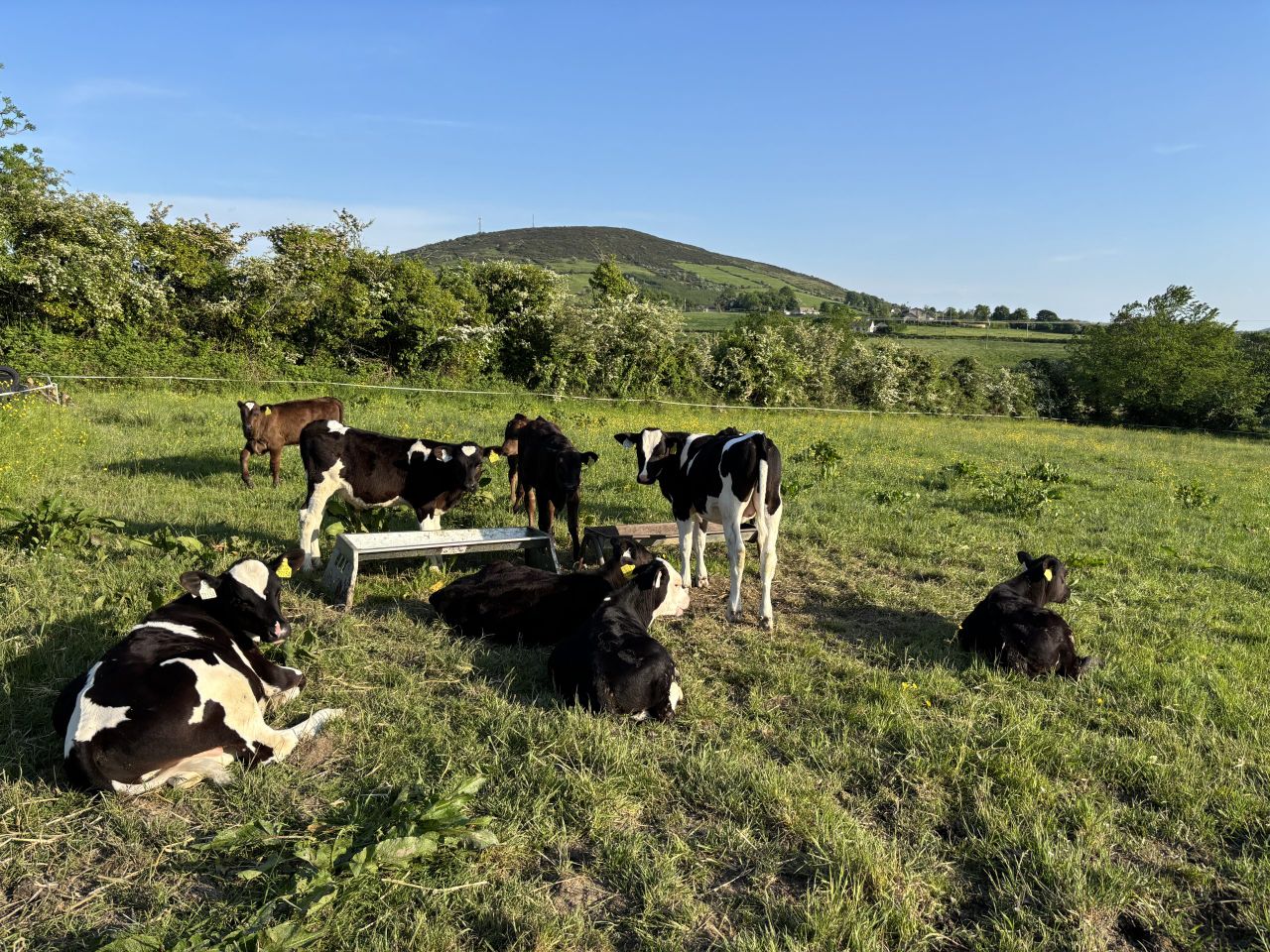
Farmers are being reminded that dung sampling or taking a faecal egg count (FEC) sample "is not a reliable test for detecting lungworm" in young cattle, according to Teagasc.
Late June or early July is often when farmers with spring-born calves consider dosing these groups of livestock.
For the treatment of stomach worms, taking an FEC is recommended to identify if treatment is needed. This test will also identify if a treatment has been effective in controlling these internal parasites in livestock.
In the Teagasc's July beef advisory newsletter, Teagasc cattle specialist David Argue explained that the most reliable way for farmers to detect a lungworm issue is "through close observation of animals and listening out for a harsh, short cough when animals are being moved or gathered".
He said: "Farmers need to be aware that FEC sampling is not a reliable test for detecting lungworm.
"Unlike stomach worms, lungworm eggs are produced in the lungs, coughed up and swallowed before hatching in the intestine. By the time larvae are detected in the dung sample, lung damage may already have occurred."
Lungworm or ‘hoose’ is a parasitic infection of the respiratory tract in cattle and can be associated with a harsh, persistent cough.
Untreated lungworm infection can lead to more serious health issues in livestock and lungworm is a common issue for younger cattle in their first summer grazing.
Weather
The Teagasc cattle specialist said that cases of lungworm infections can often rise after a period of dry weather.
"Dung pats can dry and encase larvae, stalling their progress and when rain comes, these emerge all at once and infection levels rise in calves," he explained.
According to Argue, after their first grazing season, cattle usually have some level of exposure to lungworm and therefore are likely to develop sufficient immunity to the disease in the second grazing season.
However, he warned that "this is not always the case, so regular monitoring is required to ensure no issue arises".
Farmers should check with their veterinary practitioner for advice on the best course of treatment if they suspect a lungworm treatment may be needed for cattle.