‘Don’t wait’: Farmers urged to spread slurry now

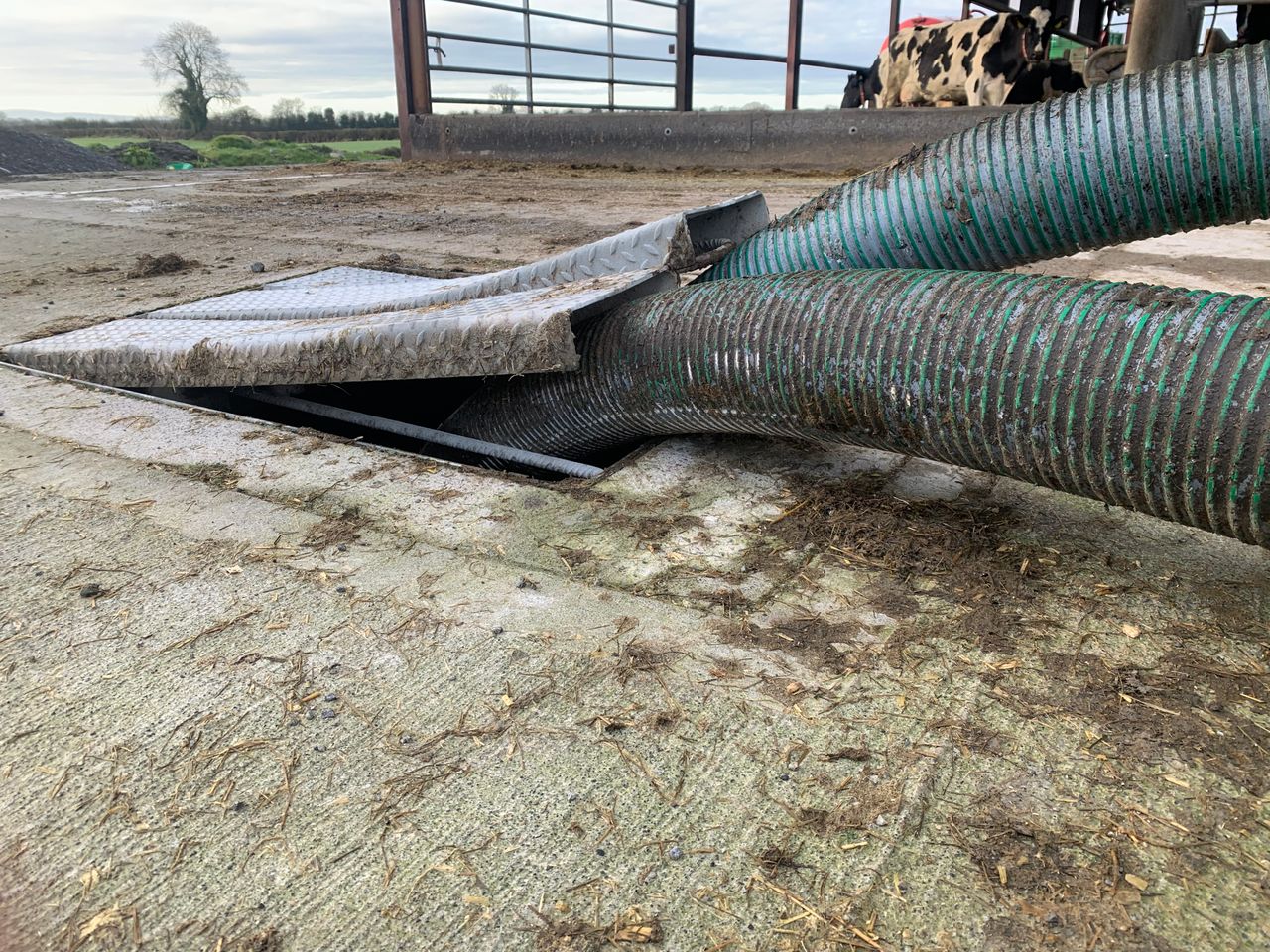
Farmers with slurry in their tanks are being urged not to delay spreading, provided ground conditions are right.
“If you have slurry in your tanks, and you can spread it, don’t wait,” the Minister for Agriculture, Food and the Marine Martin Heydon has urged.
He has also warned that farmers should not anticipate any potential extension to the slurry spreading period.
The closed period for spreading slurry (organic fertiliser) begins on October 1, while chemical fertiliser cannot be spread from September 15.
Some farmers were forced to house livestock in recent months as grass growth stalled due to the drought, leading to a build up of slurry in tanks.
Minister for Housing, Local Government and Heritage James Browne has overall responsibility for deciding on any flexibilities in terms of spreading slurry under the Nitrates Directive.
However, Minister Heydon noted that he would “work really closely with him” in relation to any decision.
"That's something you would manage, and you would make decisions on, bearing in mind what the ground conditions and the weather types are at that time.
"But farmers shouldn't wait, thinking that that is definitely coming, because obviously there's no guarantees that we'd be in a position to be able to make that decision," he told Agriland.
Slurry
Minister Heydon said he wanted to make "a very clear distinction and difference between organic fertiliser and artificial".
"We know that during a drought period there's a natural buildup of nitrogen into the soil, and we want to see that recognised as our soil moisture deficits decline now as the rain falls, and the much needed rain that's wanted.
"Obviously it depends what part of the country you're talking about here. This is a predominant issue in the south-east, and parts of the east and the south, and not so much in the west or the northwest.
"From that perspective I'd be very slow to ask Minister Browne to consider extending the artificial fertiliser spreading date, because spreading artificial fertilizer beyond September 15 would have a pretty minimal impact on grass growth, because you're moving out of the high grass growing season, and potentially it would have a negative impact on water quality when there's so much nitrogen in the soil," he said.
Minister Heydon said that slurry is "different", but he emphasised that he would not ask Minister Browne to consider any flexibility on the closing date if ground was waterlogged in places.
"The advice very clearly to farmers is, if you can, if you have slurry in your tanks, and you can spread it, don't wait, do that if the conditions are right," he said.
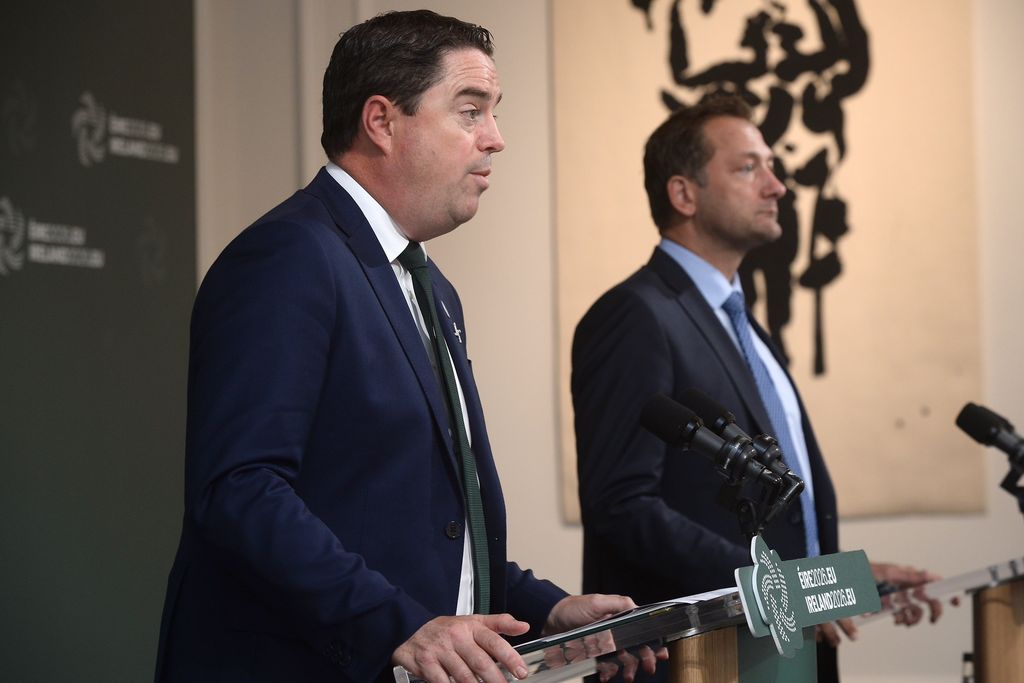
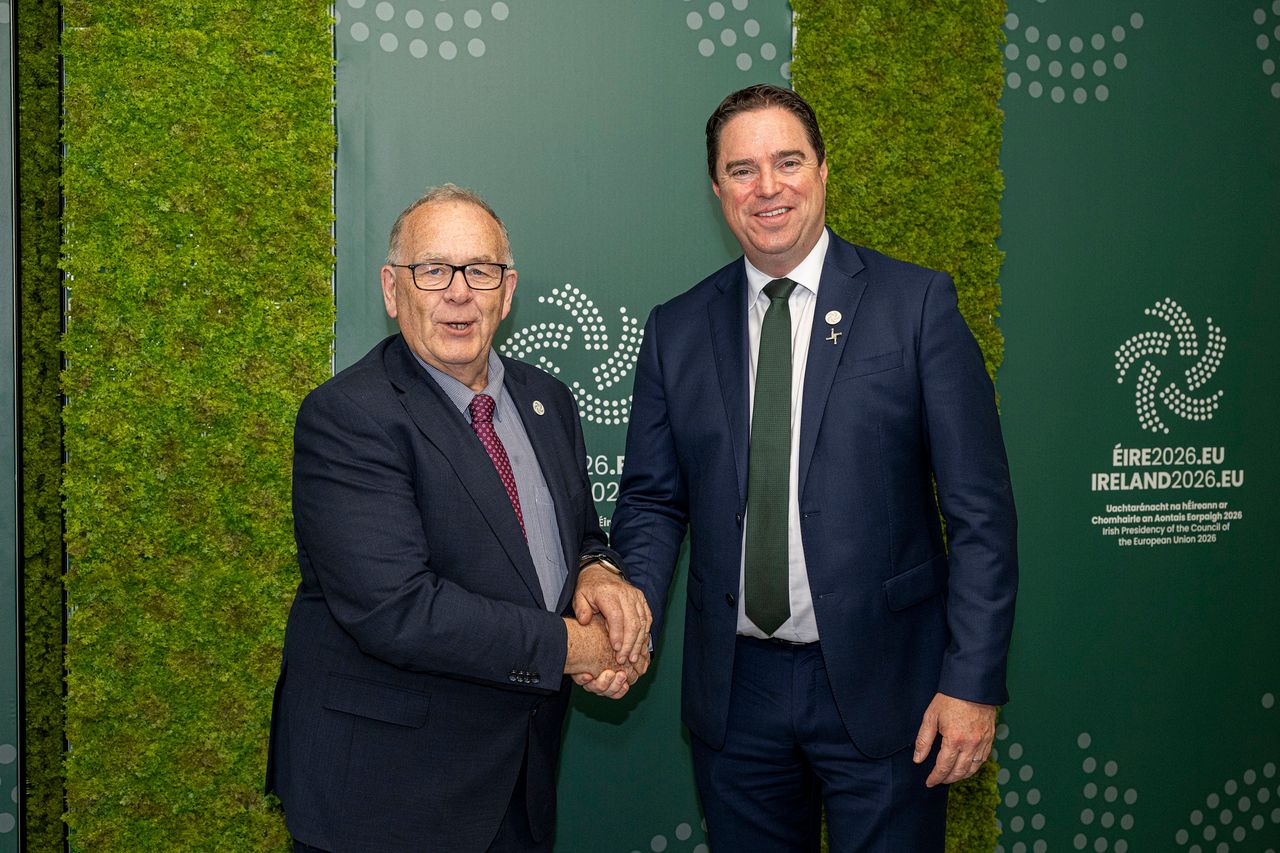
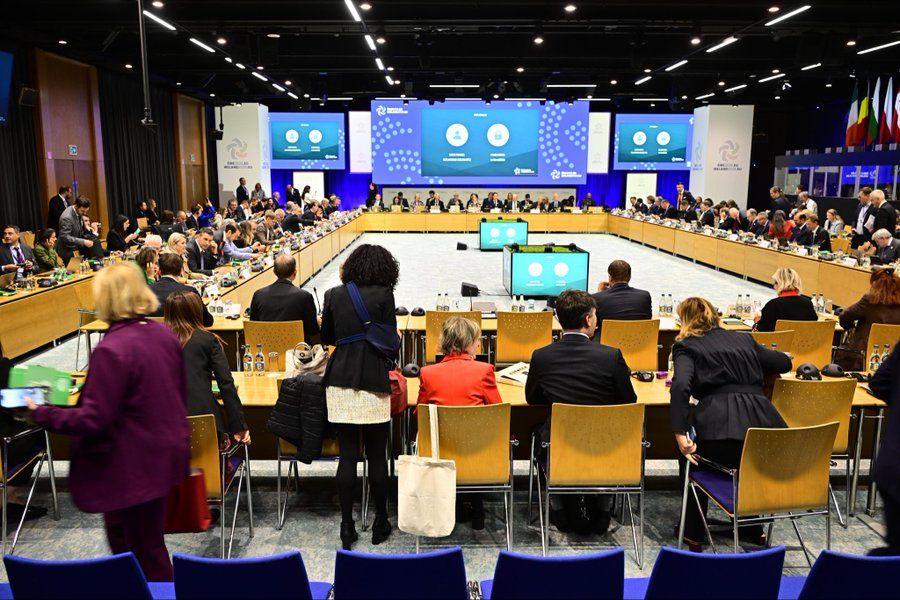
Minister Heydon today (Tuesday, September 8) hosted an informal meeting of EU agriculture ministers as part of Ireland's presidency of the council of the European Union.
During the meeting, European Commissioner Christophe Hansen briefed ministers on the impact of the summer droughts across the continent.
Speaking afterwards, the commissioner told reporters that "the economic losses will be significant for sure, although we don't know yet the entire dimension of the catastrophe".
He also noted that there is a "human side and a dimension that we should not forget".
Drought
Hansen said that the European Commission "stands alongside the farmers and alongside the member states in responding quickly to the situation".
However, there was no indication of additional EU funding to help farmers dealing with the impact of droughts and heatwaves.
Instead, the commissioner said he wrote to member states this week to remind them of the options and flexibilities that already exist under the Common Agricultural Policy (CAP).
He said that member states can make certain CAP payments earlier to help provide “much needed” liquidity to farmers, along with derogations from certain requirements for farmers “facing exceptional circumstances on natural disasters”
The commissioner also pointed to flexibilities under the Nitrates Directive when it comes to manure spreading dates “in view of specific climatic conditions”.
Commissioner Hansen also highlighted the €540 million EU Fertiliser Action Plan which can be topped up by up to 200% by member states.
Some member states, including Ireland, are still considering how to distribute that funding with negotiations ongoing.