Video: 'Food security must not be separated from defence'
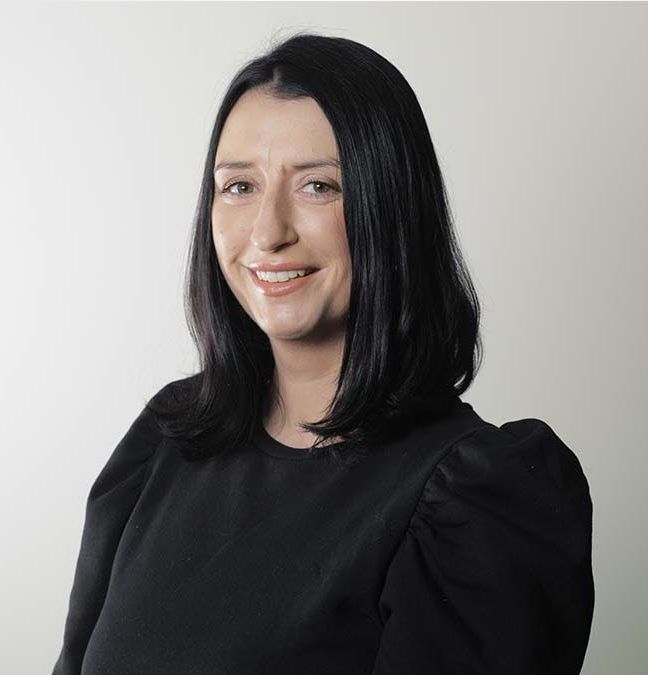
The president of the European Economic and Social Committee (EESC) has warned how food security could be impacted by a funding cut for the next Common Agricultural Policy (CAP).
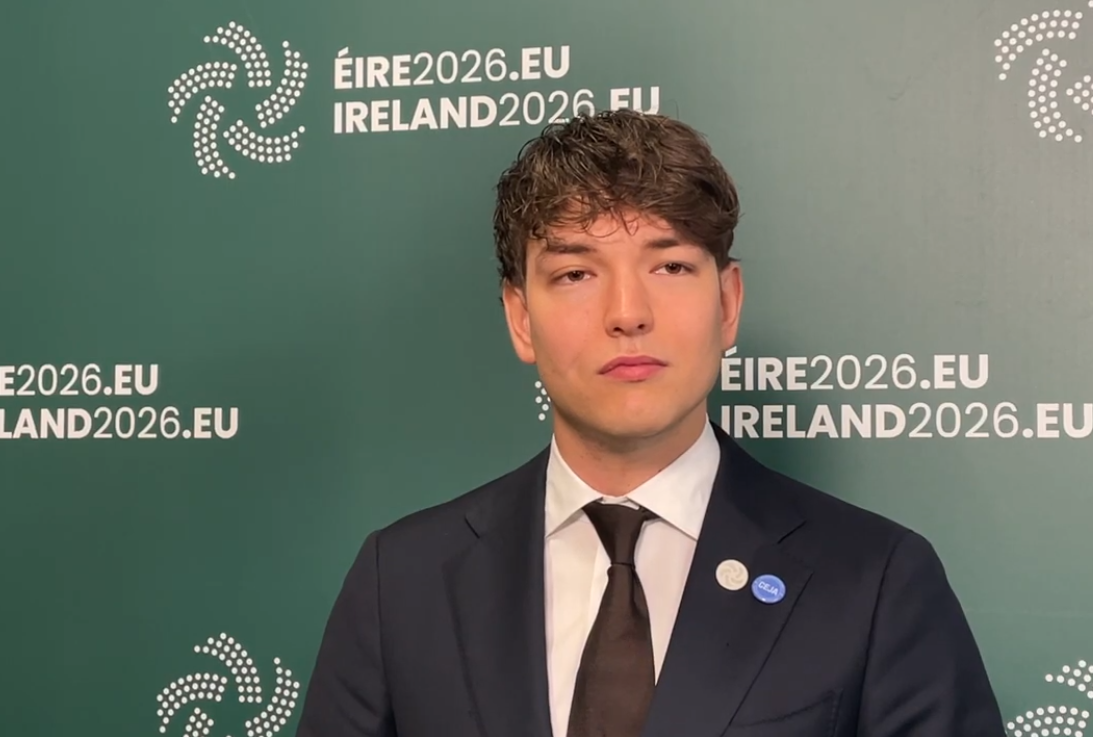
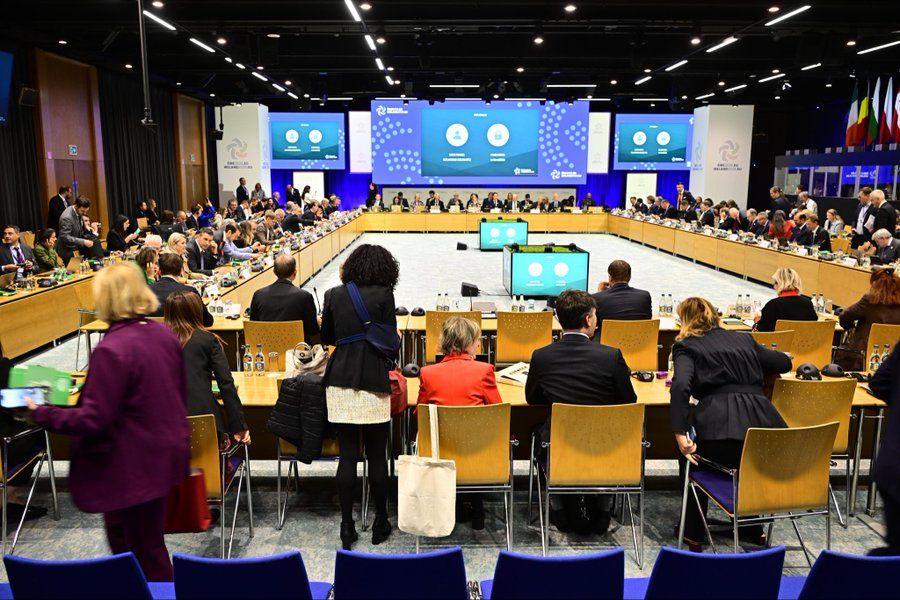
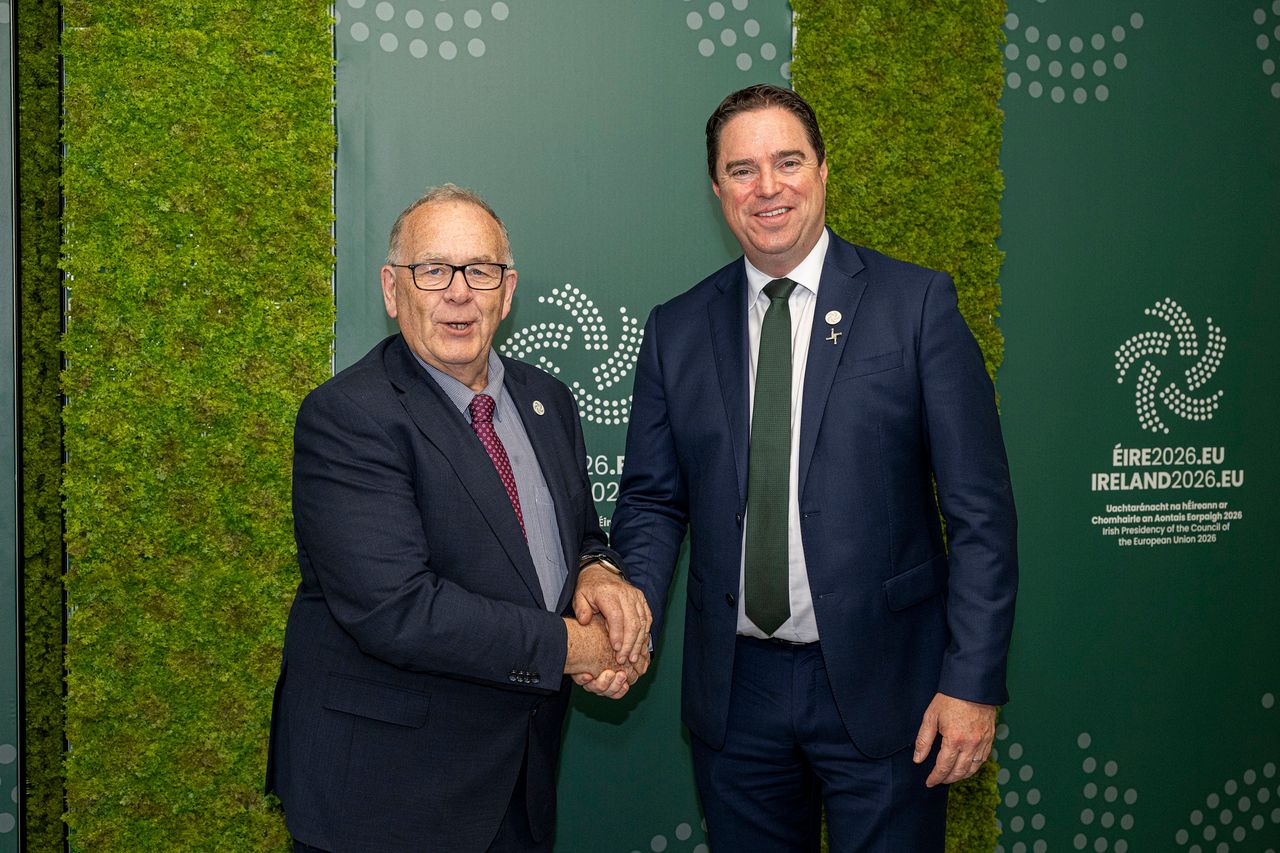
Seamus Boland, who has a beef and sheep farm in Co. Offaly, was among those to address an informal meeting of EU agriculture ministers in Dublin Castle today (Tuesday, September 8).
The event was hosted by Minister for Agriculture, Food and the Marine Martin Heydon as part of Ireland's presidency of the EU.
The meeting brought together European Commissioner for Agriculture and Food, Christophe Hansen and agriculture ministers to discuss key issues facing the sector, with a particular focus on the role of sustainable livestock.
CAP
In his address to the meeting, Seamus Boland emphasised that the next CAP budget must be protected amid pressure from other areas including defence spending.
"My first message this morning was that food security has to be linked with defence and security in general of Europe. It cannot be separated. That means it must be part of the overall budget.
"It means CAP as a budget must not be reduced and the Multi-Annual Financial Framework (MFF) must be continued.
"Otherwise, if we drop food security from any of those discussions, we effectively weaken Europe. So food security is number one as far as I'm concerned," he told Agriland.
Boland warned that if the CAP budget is dropped "we are learning nothing from history".
"Europe has come after World War II in a place where Europe couldn't feed itself. If we drop that budget, we will resort back to that place.
"In a time when Europe wants to be more independent in terms of security and defence, dropping its food level of production is the worst mistake it can make.
"From a point of view, not just the farmers, but for consumers, for everybody living in Europe, we need to ensure that food production is maximised.
"We will need it either because of climate change or because of geopolitical changes, for example, threats by Russia," he said.
Food
Boland believes that farmers need support to match their dedication to environmental change.
"The farmers' job is to produce the food in the best way they know how.
"If those methods change, they need support in terms of training and finance to ensure that that change happens.
"Farmers are willing to change. All farmers want to do is produce the potato, the litre of milk, the kilo of beef at a price that they can make a living on. They will use whatever methods they can to best do that. So farmers need that support.
"The research that we're hearing about and we've seen something of yesterday needs to be transferred to the farm as quickly as possible and at least cost as well," he said.
Generational renewal
When it comes to generational renewal, Boland said we must firstly deal with the current generation of farmers.
"The average age [of farmers in Europe] is around 57, which is terribly high.
"We must look after those in terms of pensions and security. If we do that, we automatically encourage younger farmers to get involved.
"Younger farmers will get involved if the right supports, the right education is provided, the right tools.
"Farming is an attractive life, you can make a living on it, and I think we need to say that more often, but it must be within the right circumstances," he said.