Wool prices surge to €1/kg - but what's reducing the price in cases?

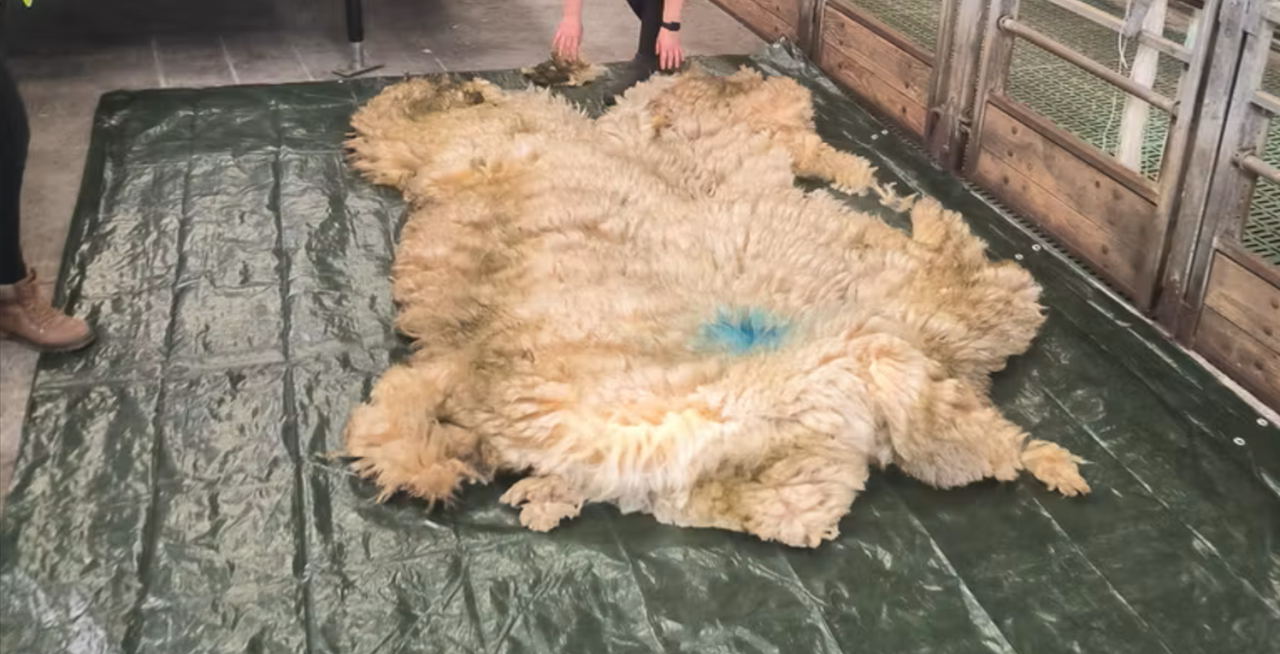
2026 has seen significant recovery in wool prices after several years of subdued trade - but wool buyers are warning that poorly presented wool will be purchased at a discounted rate.
Last year, farmers with wool to sell were finding it hard to get any market outlet with prices in the region of 20c/kg for wool.
This year has seen a five-fold increase in prices, with up to €1.00/kg being paid for wool this week.
However, wool buyers have warned that after a number of years of a poor wool trade, farmers have lost interest in presenting wool correctly.
What's devaluing the price farmers get for wool?
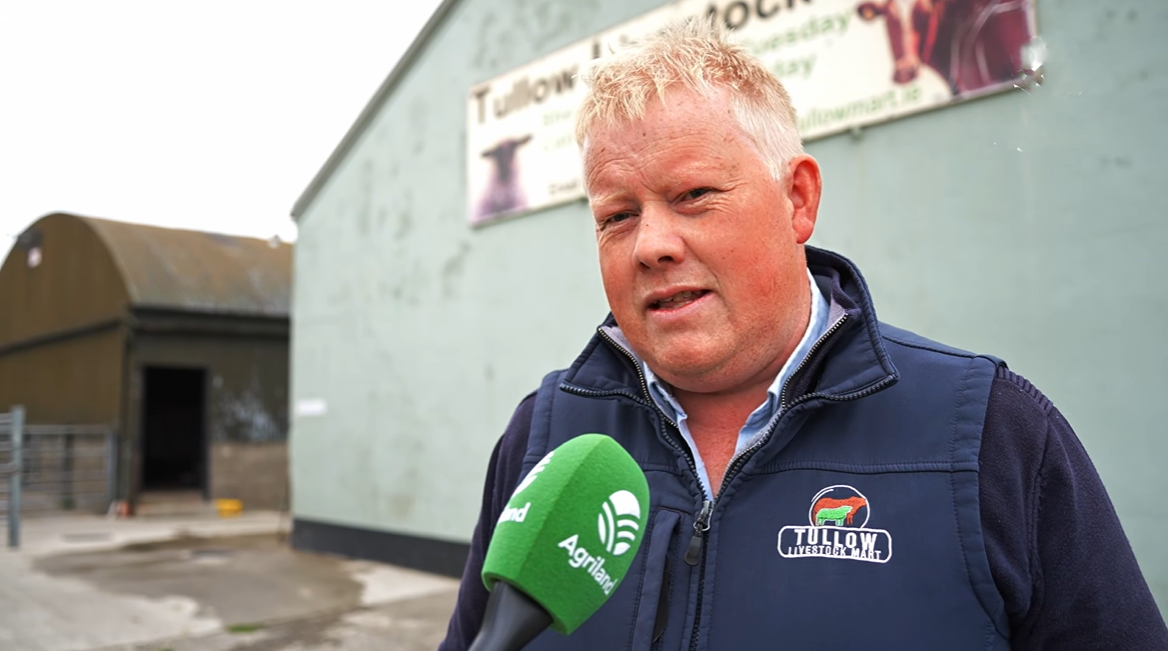
Wool buyer Patrick Lawler from Dunlavin, Co. Wicklow, described for Agriland what is devaluing the price of wool this year in cases.
He said that while the usual things like straw or hay in the wool will devalue the fleece, in several cases this year, he has also noticed water in the wool.
He said that this causes the fleece to turn yellow, and also devalues the price of the fleece.
According to Lawler, fleeces off lowland sheep are worth more and horned ewe wool is generally worth less.
"If you have good, clean, dagged, skirted wool, you'll get €1/kg for it," he said.
Lawler said that wool is currently making €1/kg graded but a flat price of €0.80c/kg is generally what is available for ungraded wool.
He explained: "I would be able to give more for wool if it was presented properly but because it's not being presented properly, it has to be bought at a flat discounted rate."
What's causing the rise in wool prics?
According to Lawler, last year, wool was generally being bought at 20c/kg and the strengthening in prices this year is down to simple "supply and demand".
He believes the reason for the increase in price this year is because the wool that was in stock in China since Covid-19 is now gone and also, the sheep populations around the world "is dropping a bit".
Wool prices peaked at approximately €1.20/kg last month, but have since dropped off a little bit.
Farmers and wool traders alike will be hopeful the trade positivity will remain in the medium to long-term, but wool buyers are reminding farmers of the importance of presenting clean fleeces to ensure premium markets remain available for Irish wool.