Dairy Throwback: Montbeliarde herd pushing 500kg/MS

This Christmas season, Agriland is looking back on some of the most captivating ‘Dairy Focus’ articles from 2025, in a ‘Dairy Throwback‘ series.
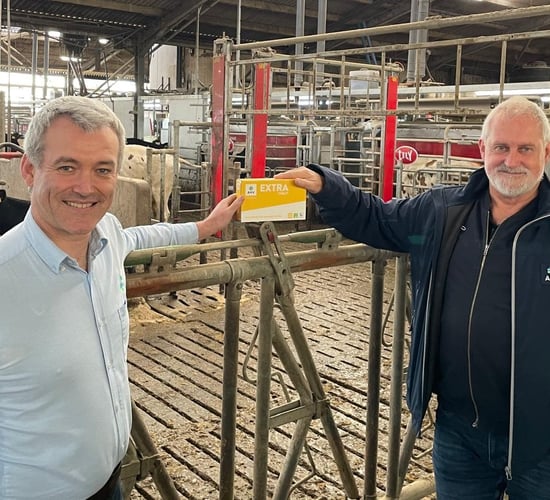
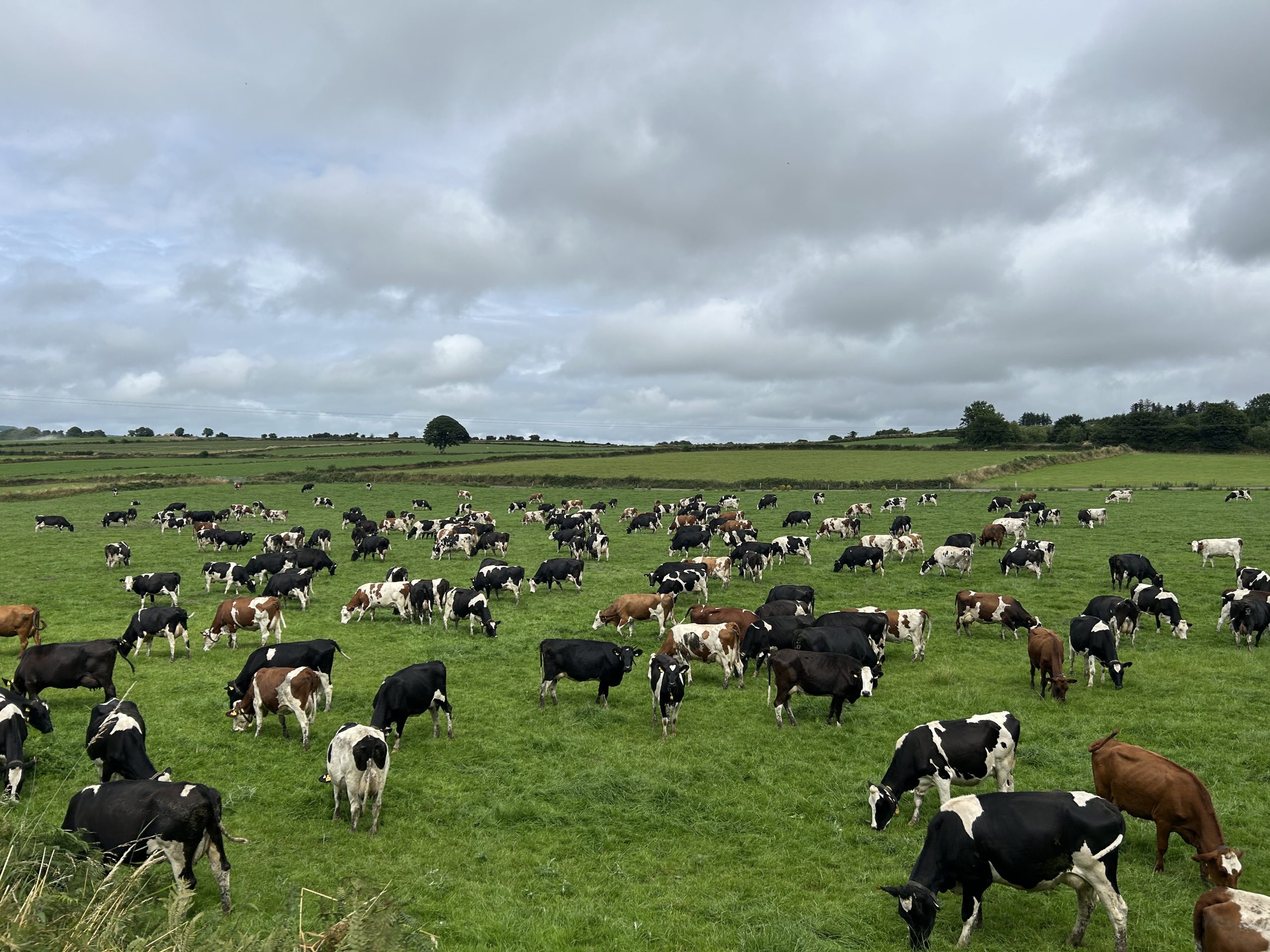
In part three of the dairy Throwback series, Agriland revists dairy farmer, Tommy Lanigan from Carrick-on-Suir in Co. Tipperary, who is milking 260 Montbeliarde cows.
Tommy is farming alongside his wife Ursula, his son Val, and his daughter Eloise.
The farm consists of 109ha owned and 32ha of an out-block, which is leased and is all in grass.
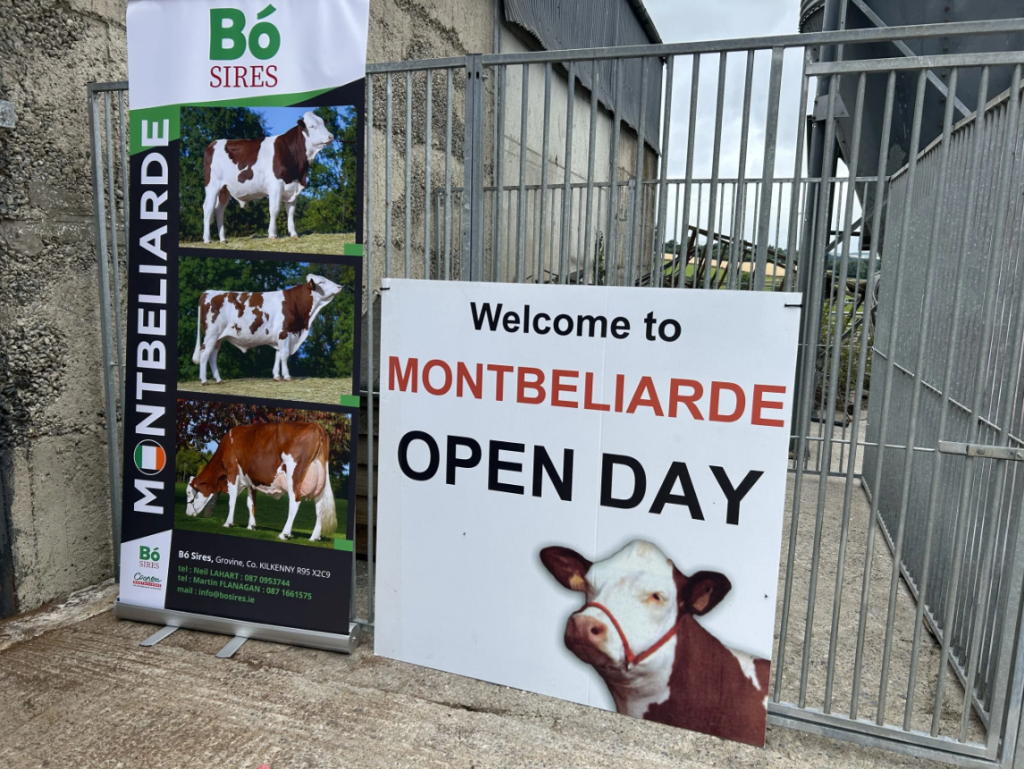
He has being farming Montbeliardes since 2014, and even hosted the Montbeliarde Cattle Society's Open Day in late July, earlier this year.
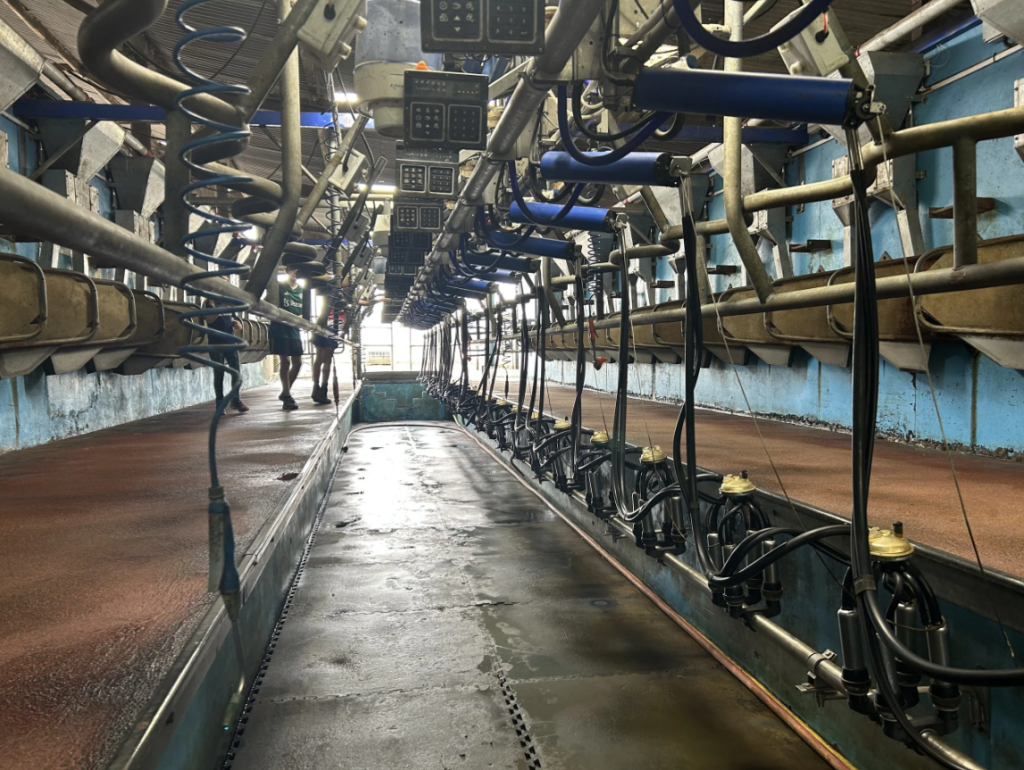
Tommy started farming in 1990 and began milking cows six years later with 16 cows in a four-unit parlour, which has now been upgraded to a 22-unit DeLeval parlour.
In 2014, Tommy bought in 35 Montbeliarde in-calf heifers from France and most of the purebred stock in the herd are from these cows.
The last of the original bought-in stock only left the herd last year.
He said he originally bought the Montbeliarde heifers to "try something different" but after years of consistent delivery of performance, decided he will continue breeding them and excelling the herds' genetics through them.
According to Tommy: "They are a good, strong and square cow, and they milk every bit as good as any of the Friesians in the herd, and the calf prices you get for them is a big thing."
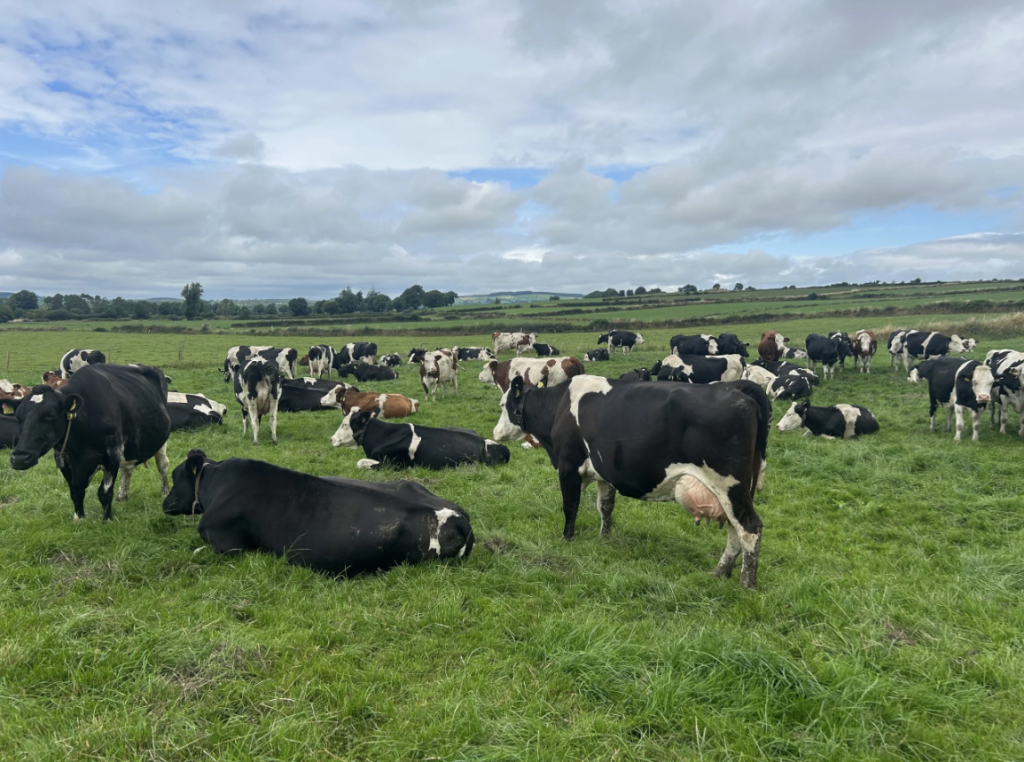
Of the 260 cows on the farm, there is a number of purebred registered Holstein Friesians, Swedish Reds, and Montbeliarde x Holstein Friesian crossbreds in the herd.
Breeding
The farm's breeding season commences on April 20 and goes on until the end of July.
Tommy said he begins breeding that bit earlier as their dry land allows them to get cows out early in the springtime.
He uses conventional dairy semen for the first five to six weeks of the breeding season, where the majority of the cows that come into heat will receive a dairy straw.
However, he has strict criteria in place for replacement breeding, based off milk recording records, good feet and legs, and good condition.
Cows that do not meet the dairy criteria are inseminated with Belgian Blue or Charolais straws, especially in older, more capacious cows that can take a slightly harder calving.
The farm also breeds some cows to Limousin, Aberdeen Angus, and Hereford straws.
When selecting straws, Tommy wants a bull with good health traits, particularly for feet and legs, with good solids and nothing under 250kg of milk.
He would often select Holstein Friesian cows to receive a Montebeliarde straw and has started breeding through Swedish Red genetics through his Montbeliarde x Holstein Friesian crosses, achieving that Procross hybrid vigour.
The Montbeliarde straws are mainly Coopex Montbeliarde semen sold through Bó Sires, while the Swedish Red straws are also purchased through Bó Sires.
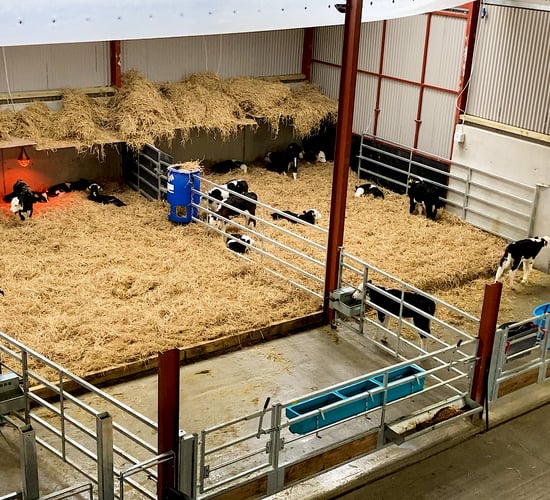
He would typically have 80 heifers calves on the ground each spring, of which he keeps 50-55 and has a buyer each year for around 25-30.
Performance
The herd performance in 2024 was relatively strong despite challenging conditions in regard to weather and grass growth.
The cows managed to produce 487kg of milk solids/cow of about 6,000L/cow, which is about 4.5% fat and 3.6% protein.
With this year's good weather, Tommy was well on target to surpass the 500kg/solids/cow mark.
He stated: "There is about 1,000L/day more in the tank than there was this time last year."
According to Tommy, the boosted performance came from ideal weather conditions, improved feed to yield ratios, and selective breeding finally stating to pay off as younger stock comes through.