Dairy advice: Ensuring the right breeding strategy with data
As dairy farmers look ahead to the 2026 breeding season, the decisions made over the coming months will shape herd performance for the future years.
With pressures on stock numbers, growing emphasis on animal health and tighter security around calf quality, the Irish Cattle Breeding Federation (ICBF) is advising that the right breeding strategy is more important than ever.
The first piece of advice is for farmers to log into their HerdPlus account if they have one.
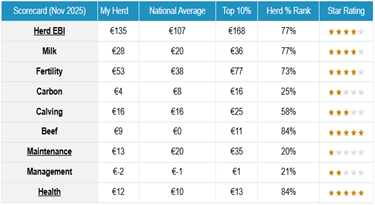
It is then important, before making breeding decisions for 2026, to review your Herd EBI Scorecard to understand the genetic strengths and weaknesses within the herd.
This overview helps identify where improvements can be made, whether that’s fertility, milk solids, maintenance, or health traits.
For cows not being bred for replacements, the Dairy Beef Index (DBI) should be used when selecting beef A.I or stock bulls. DBI helps maximise the value of dairy-beef calves by focusing on:
- Beef performance and carcass traits;
- Calving ease and gestation length.
The ICBF is also reminding farmers to always examine both the beef and calving sub-indexes to ensure the bull performs well across both areas.
Factor TB breeding values into bull choice
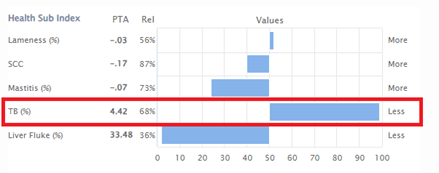
Genetic resistance to TB is an increasingly important consideration. Selecting bulls (and cows) with lower TB PTA values can help reduce the herd’s overall susceptibility to the disease.
To improve TB resistance at herd level, aim to use bulls with a TB PTA of less than 8% wherever possible.
Record health and temperament data
Accurate recording of mastitis, lameness, and temperament scores is essential.
High-quality data improves herd health evaluations, strengthens breeding decisions, and increases the accuracy of ICBF tools such as Cow’s Own Worth (C.O.W.).
Sire advice and performance
Running the ICBF's own Sire Advice before the breeding season will help ensure each cow is bred with clear objectives in mind.
ICBF Sire Advice is a tool that helps:
- Avoid inbreeding;
- Match cows with the most suitable bulls;
- Drive genetic progress in fertility, milk solids, health, and overall performance.
Weekly fertility reports allow you to track submission and conception rates throughout the breeding season.
End-of-season fertility reports are also considered invaluable for reviewing outcomes, assessing bull performance, and identifying areas for improvement in future years.
Pregnancy scans
Accurate recording of all scanning results provides:
- A clear picture of in-calf status;
- Individual expected calving dates;
- More reliable fertility reports;
- An accurate expected calving list for the Dairy Pocket Notebook.
Complete and timely scanning data is essential for effective forward planning, according to the ICBF.
Up-to-date data means dairy farmers can confidently plan breeding decisions that deliver healthier cows, better fertility, and higher-value calves.