Grass
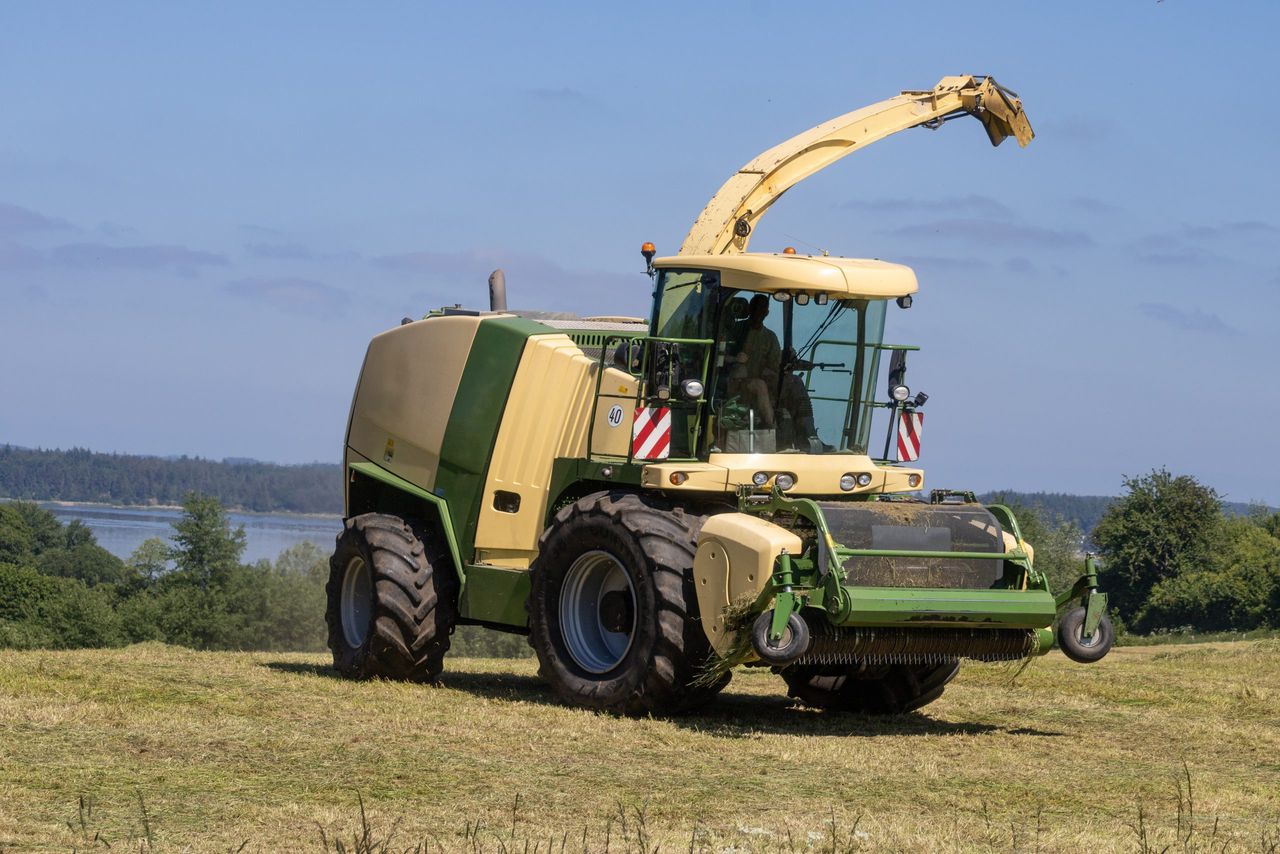
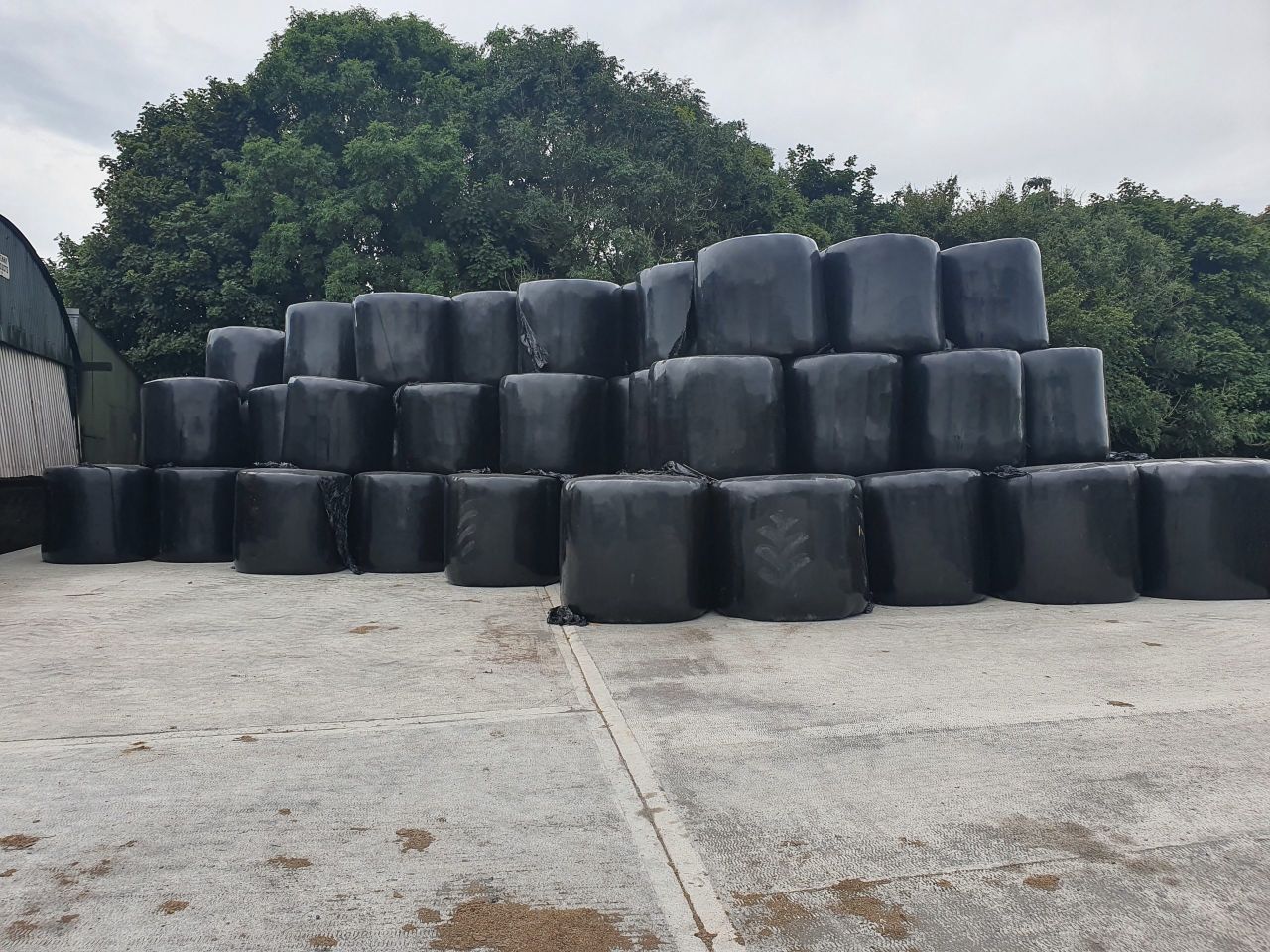
A lot of farms may still have one final cut of silage to bring into the yard, but are silage additives worth the money for the last cut?
Dairy
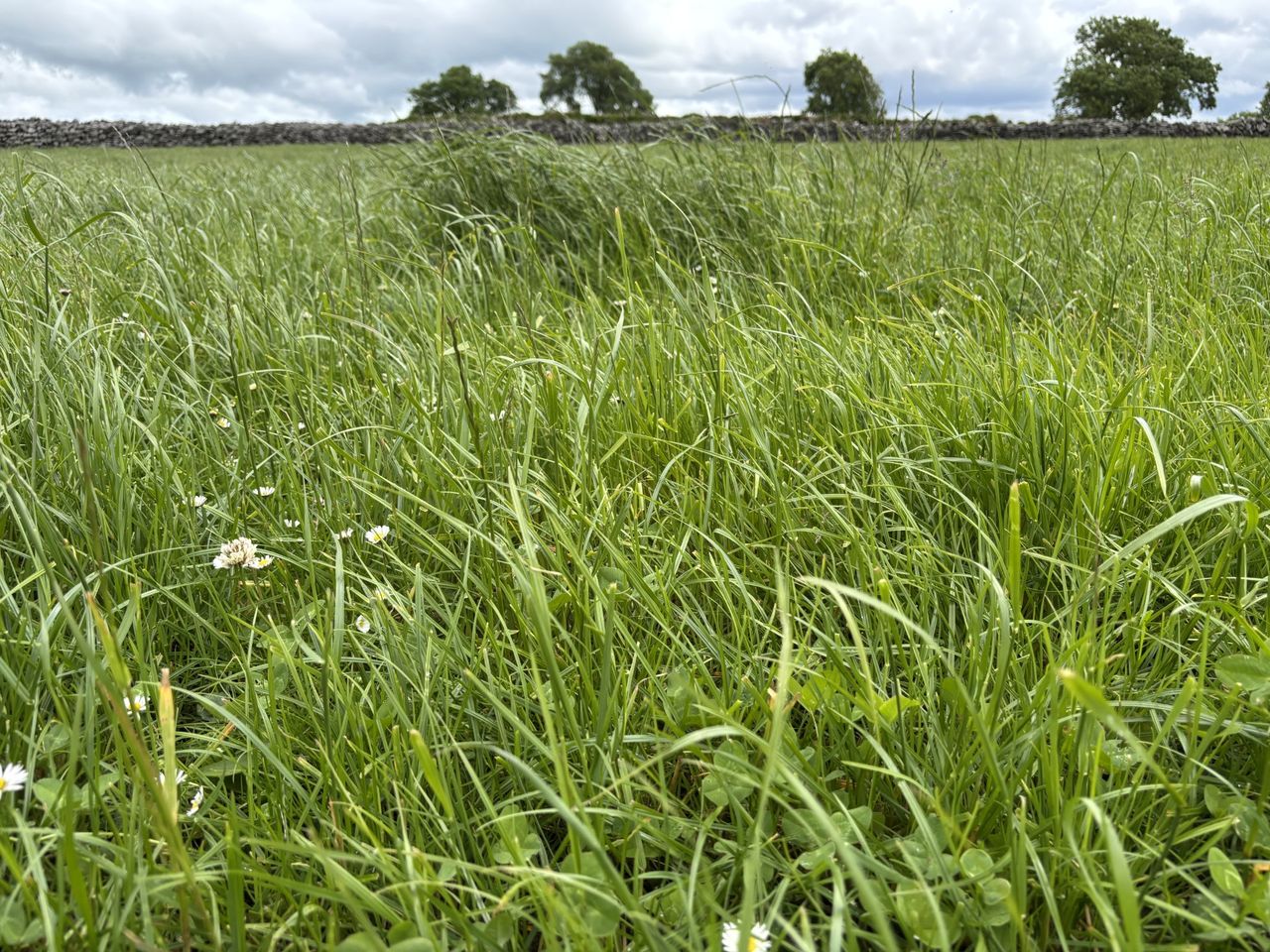
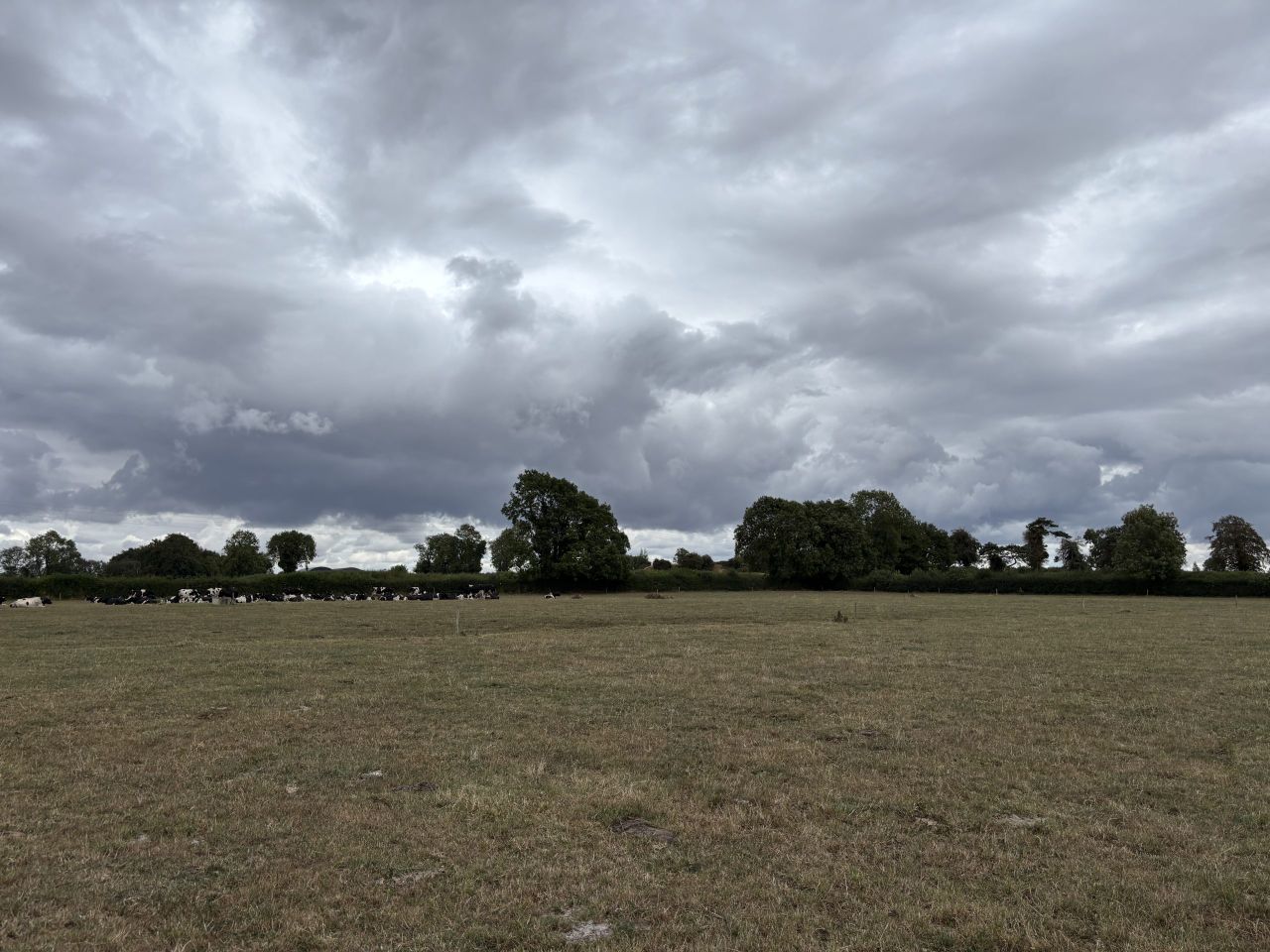
Grass growth is finally picking up after a long two months of drought, but now is not the time to get complacent.
The last day farmers can spread chemical fertiliser is coming up on Monday, September 14, so what should farmers do between now and then?
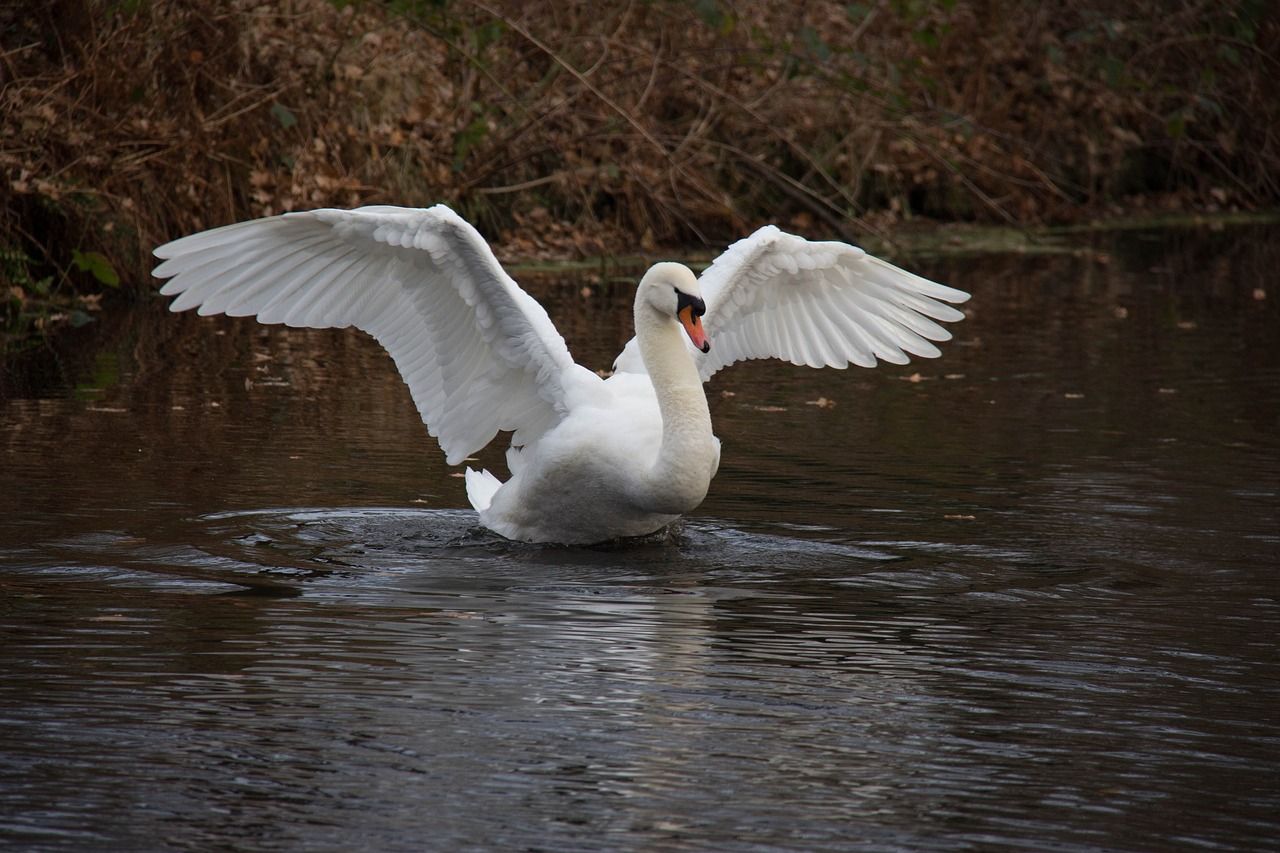
The Department of Agriculture, Food and the Marine has been called on to change rules around geese and swans under ACRES.
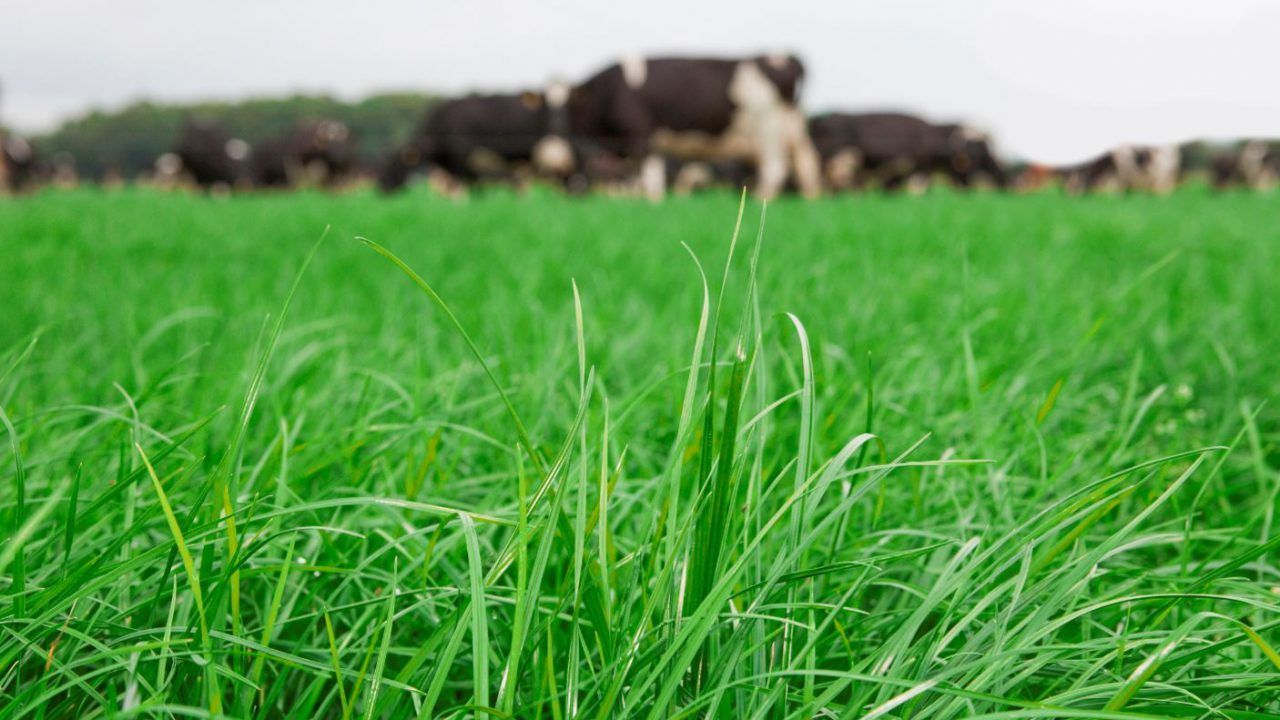
Farmers have been urged to make the most of the recovery in grass growth in the last week or so in order to boost fodder supplies.
The story of the year for grass growth has been a country split in two, and this trend continues into the back-end.
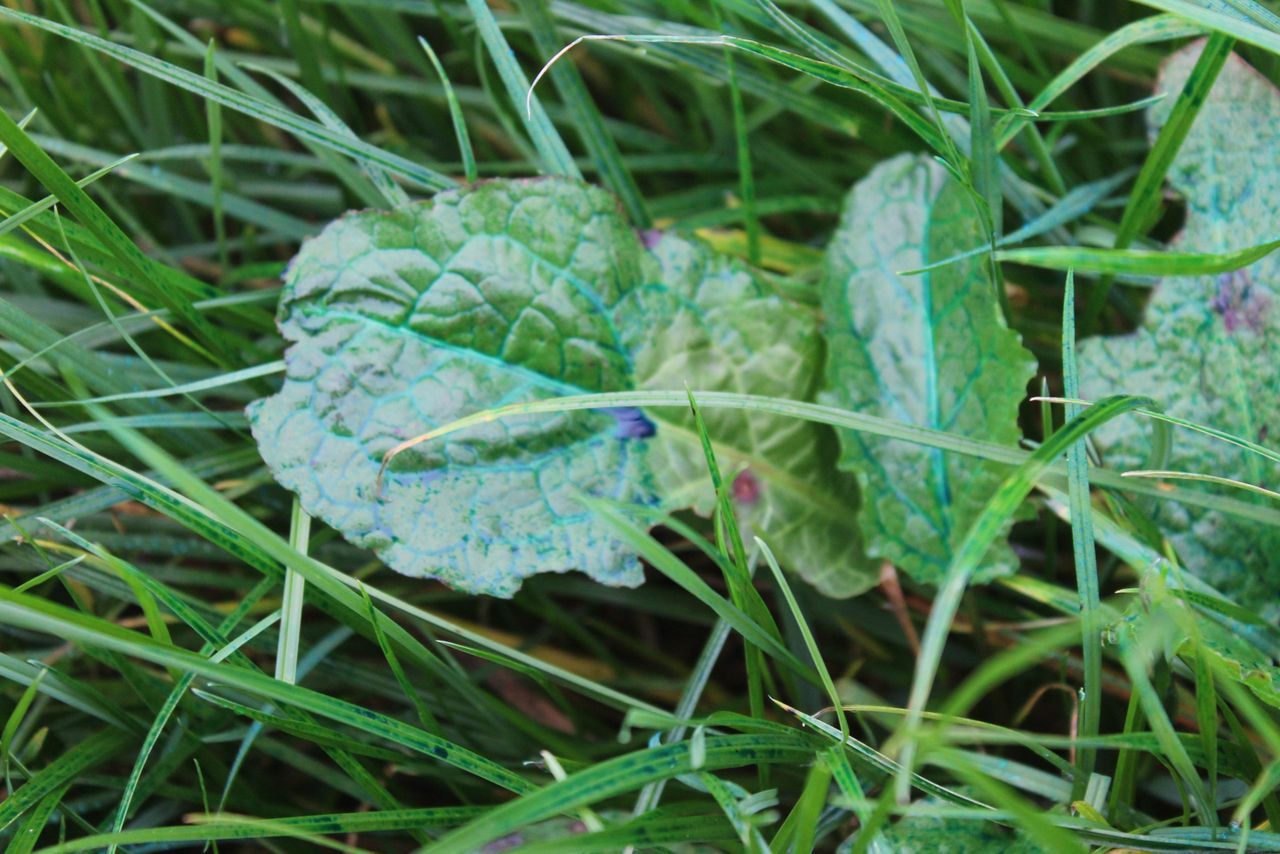
One very significant impact of the 2026 drought now becoming apparent is the significant growth of dock populations in all grassland areas.
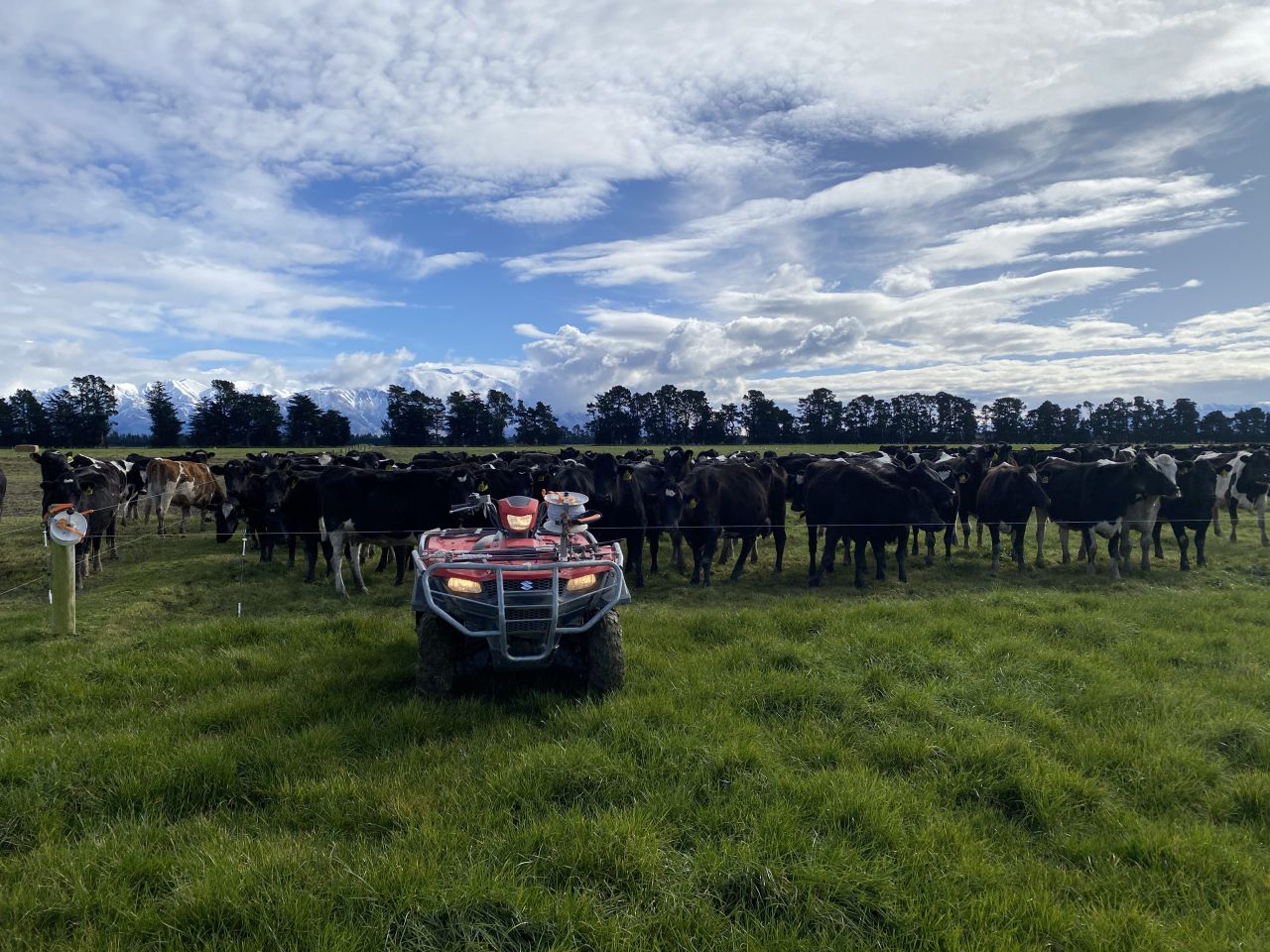
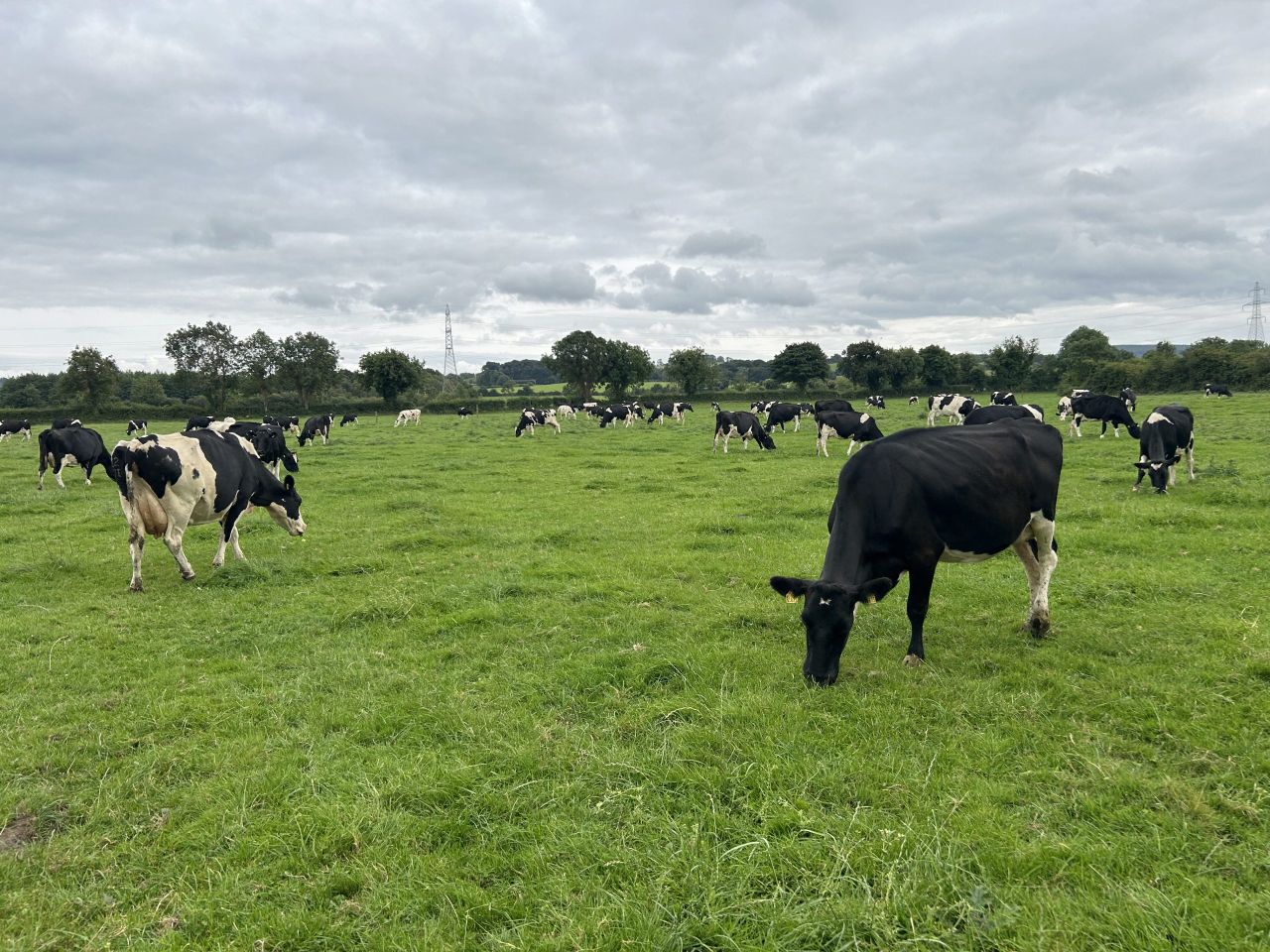
Having the appropriate paddock size will be critical over the autumn months following a tough couple of months.
High levels of mycotoxins could be a key characteristic of grass silage crops made in Ireland this year, according to animal nutritionists.
Rain will be a welcome site this week, but there is a lot of precautions to be taken before grass becomes the staple of the diet again.
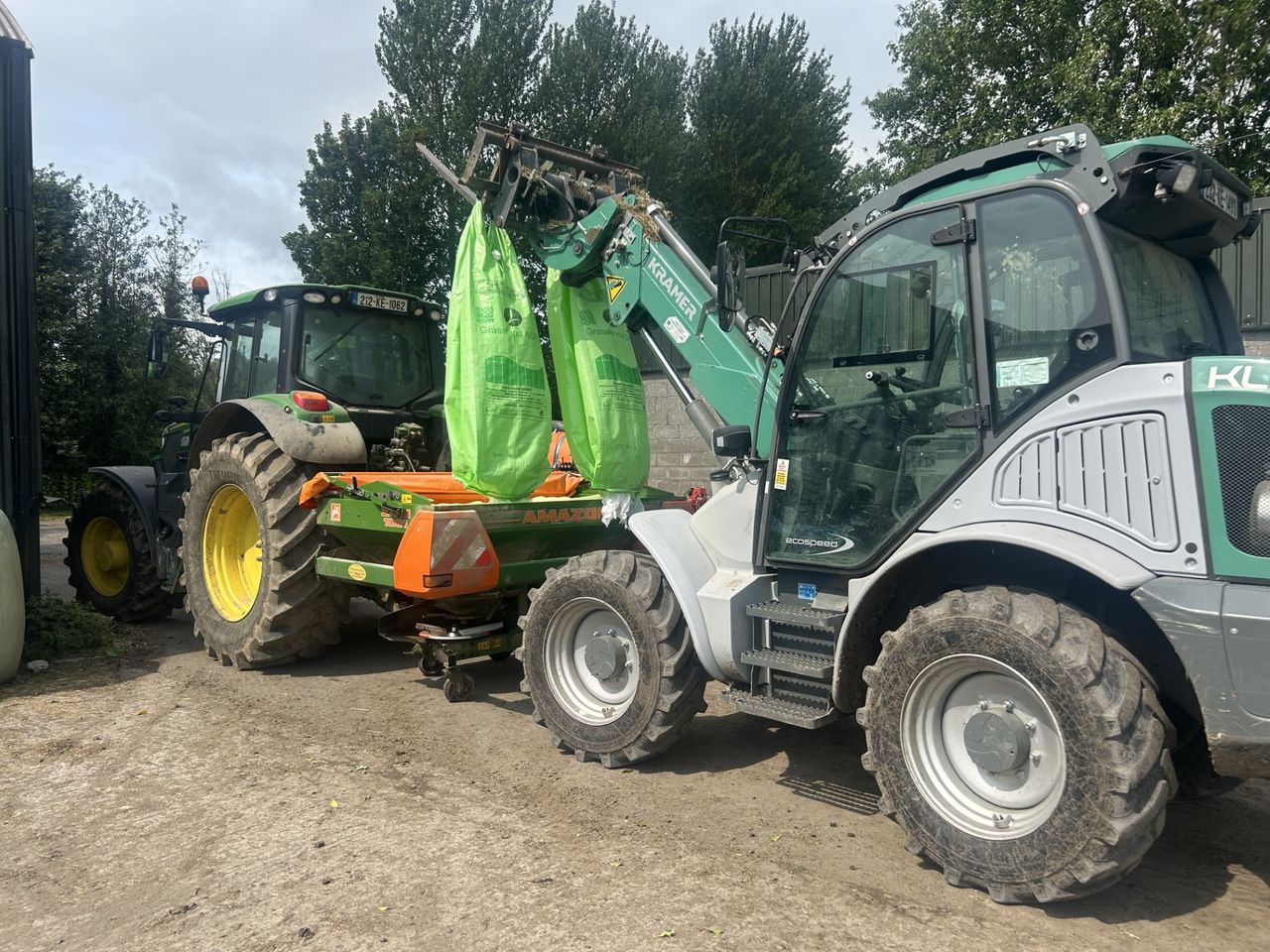
With rain finally falling in parts of the east this week, farmers will be eager to get fertiliser out and get grass growing.
Drought
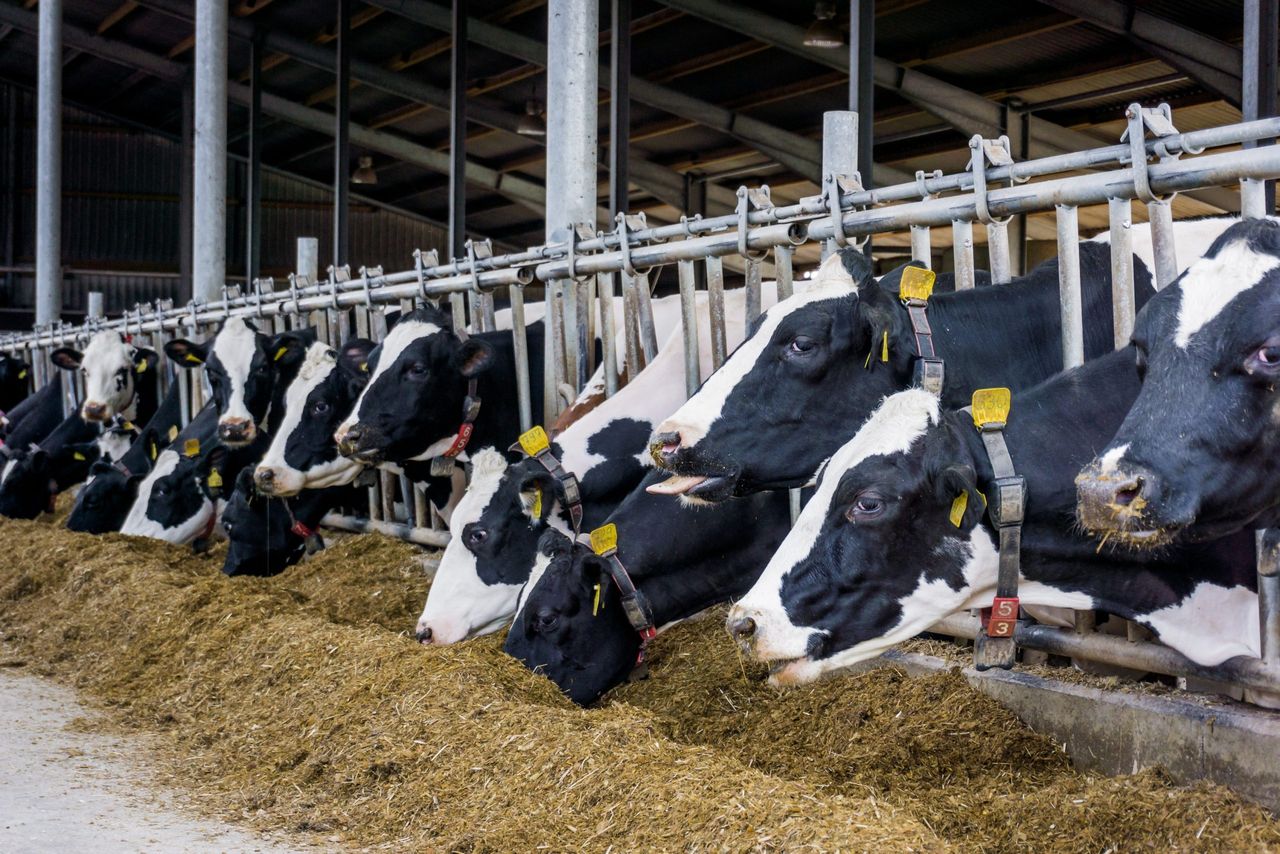
It is no secret that fodder is going to be short across the nation this winter, especially in drought-stricken areas along the south-east.
With a hard drought still hitting the southeast, farmers must prepare for the inevitable fodder crisis facing us this winter.
Grass growth around the country continues to vary greatly, with pressure mounting in the southeast while grass grows in the northwest.
Podcast
The Agriland team bring you the biggest stories of the week in Irish agriculture, which this week...
The ICSA has said it was left disappointed by the outcome of yesterday's stakeholder meetings on fodder supplies.
Farmers are being advised to identify local sources of fodder in their areas in order to keep animals fed.
Over 300 farms have now completed and submitted a fodder budget, with an average of just over four months of feed available.
Minister Martin Heydon has been called on to provide financial supports to stave off a coming fodder shortage.
The government is being called on to renew support for measures promoting multi-species swards (MSS) and red clover.
Fodder
The association representing grain growers has urged livestock farmers to consider stored grain during a shortage of fodder.
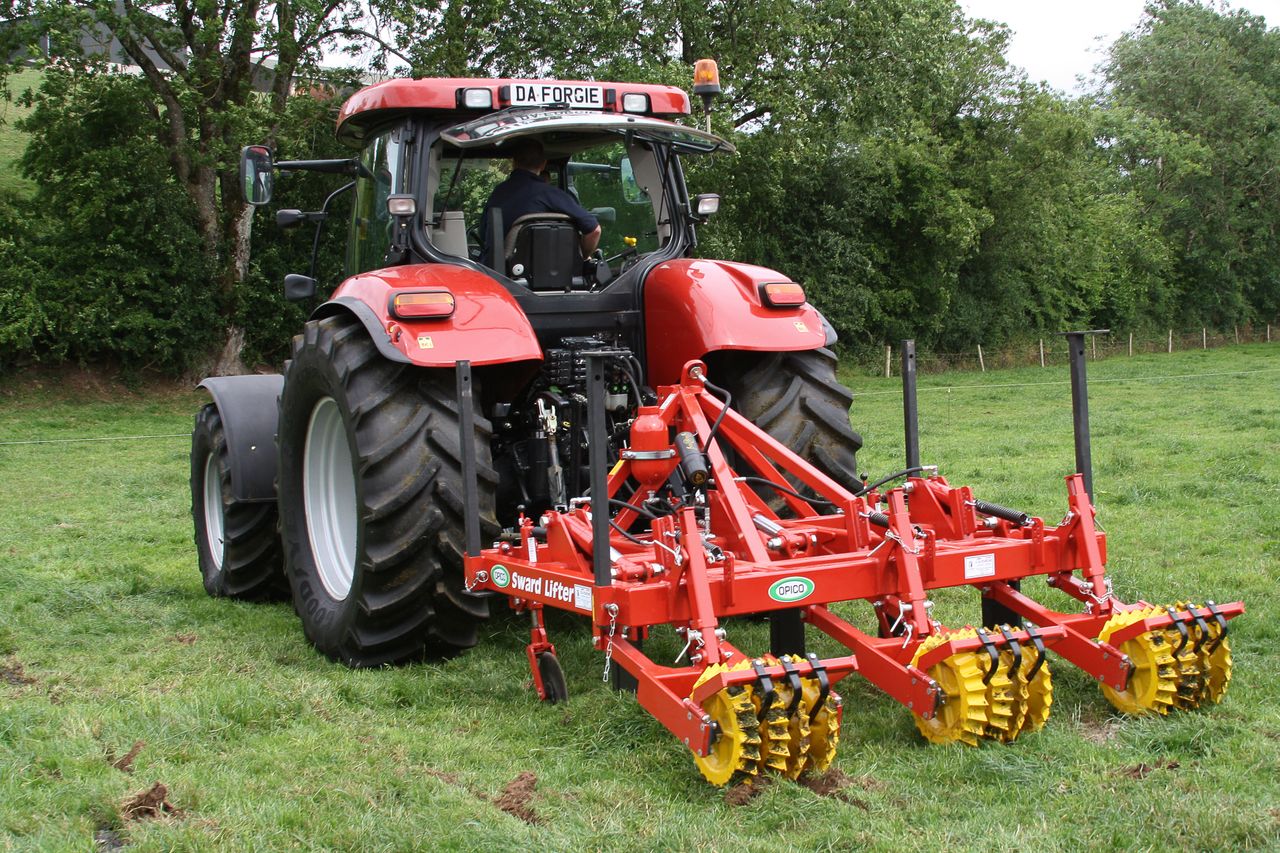
Due to the wet autumn last year followed by a wet spring this year, soil compaction may be holding many farms back in terms of grass growth.
Due to the ongoing drought conditions across much of Ireland, grass feed supply remains at the forefront of farmers’ concerns.