Cab snacks and plenty of water: Eating healthy in busy farming periods

Health and safety is a farm’s "most important asset", the Department of Agriculture, Food and the Marine (DAFM) has said.
Irish farming brings "unique pressures like poor weather, financial stress, long hours, and for too many farmers, too much time spent alone", according to DAFM.
The department told Agriland that to "keep a farm running safely, you must look after your body and mind just like you look after your animals".
"A healthy diet is essential for the physical demands of farm work and for long-term health and wellbeing," DAFM said.
Making changes
A Co. Tipperary man has given advice on "cab snacks" and eating well generally during busy periods on the farm.
David Kennedy along with his brother Michael run an organic sheep farm.
In 2021, the pair set up an online fitness business, The Lifestyle Blueprint.
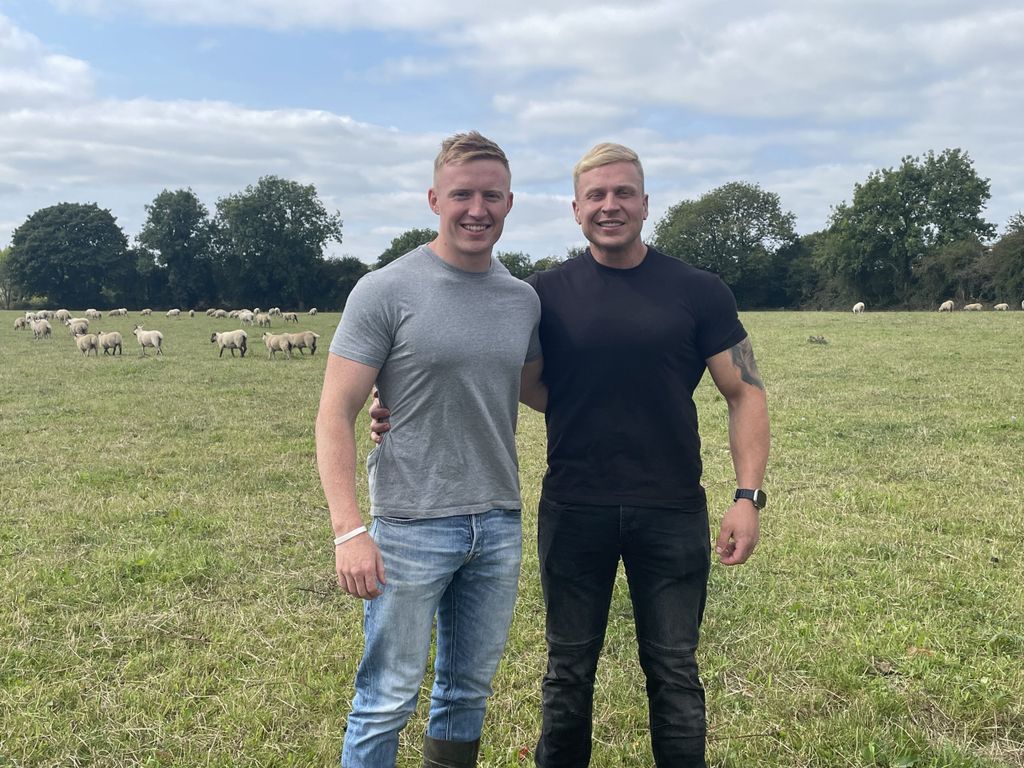
They have taken what they learned from their own experiences with weight loss to help other farmers achieve a lifestyle that takes care of both their physical and mental wellbeing, in a way that is "realistic" and tailored to their busy lives.
In 2010, the brothers lost their sister Sarah in a car crash which "turned our world upside down", David said.
He told Agriland that this led to emotional eating for comfort, and he gained weight until he was 22 stone at his heaviest.
Driven by a passion to make his sister proud, David said he decided he had to make changes in his life, and began his health and fitness journey with a "mindset change" being a crucial part of it.
Farmer health
David provided some practical advice for farmers to implement when it comes to nutrition and eating healthy when under pressure.
He said there are two key things someone can control when they are busy - water and food.
He stressed that during busy periods on the farm and spending long hours on machinery, farmers might not be able to control how many steps they get or how often they go to the gym.
However, food and water intake can be priorities.
David said: "People say to us they find it hard to get in water, but trust me, if you buy two bottles of 2L of water and you leave it in the cab, there is a good chance you will drink the majority of it throughout the day.
"Keep a bottle in the milking parlour, keep a bottle in the jeep, keep a bottle wherever you're working.
"It sounds like such a simple thing, but it's so effective."
Snacks
For farmers on the move, David is reminding them to be mindful of their "cab snacks".
He said good options include high protein yoghurts and shakes, and also snacking on beef jerky. While quite high in salt content, it is high in protein and does not require a fridge.
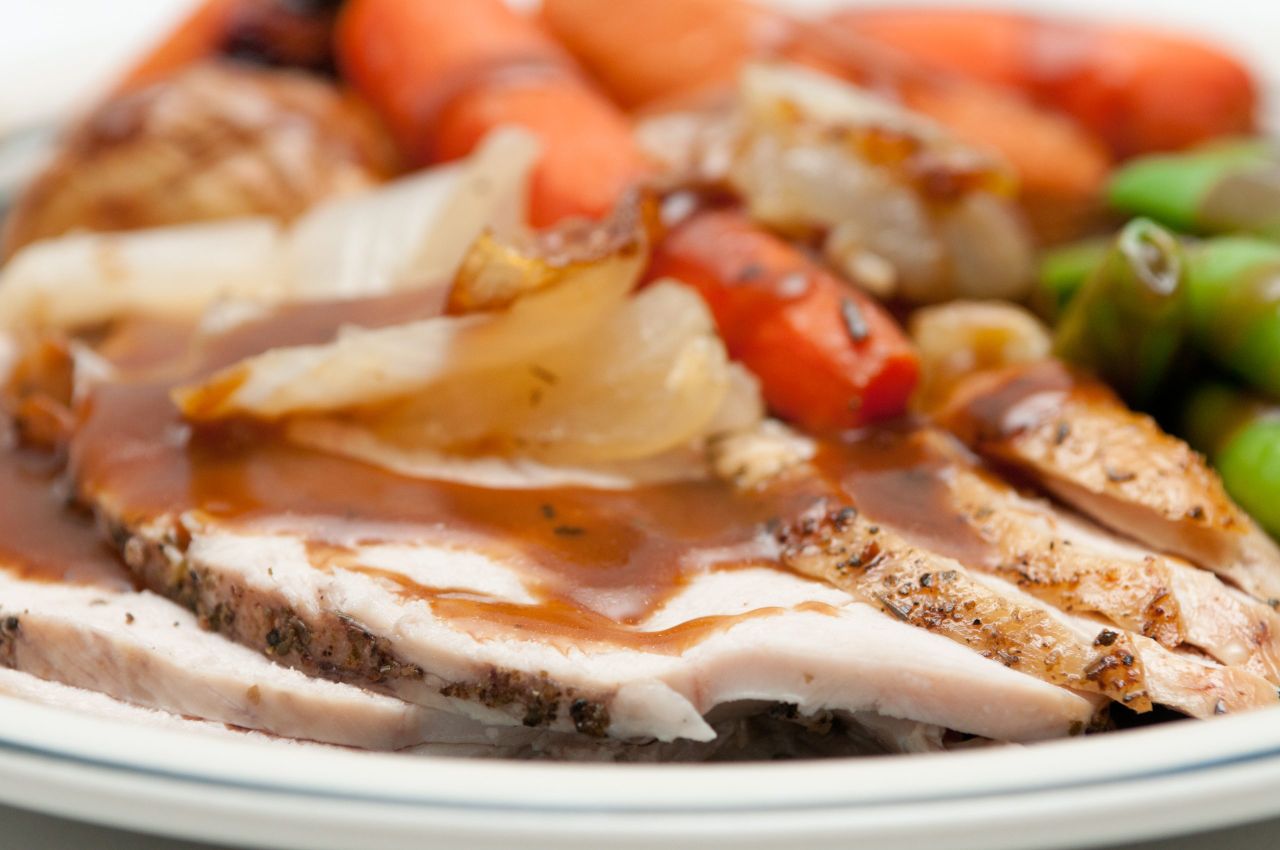
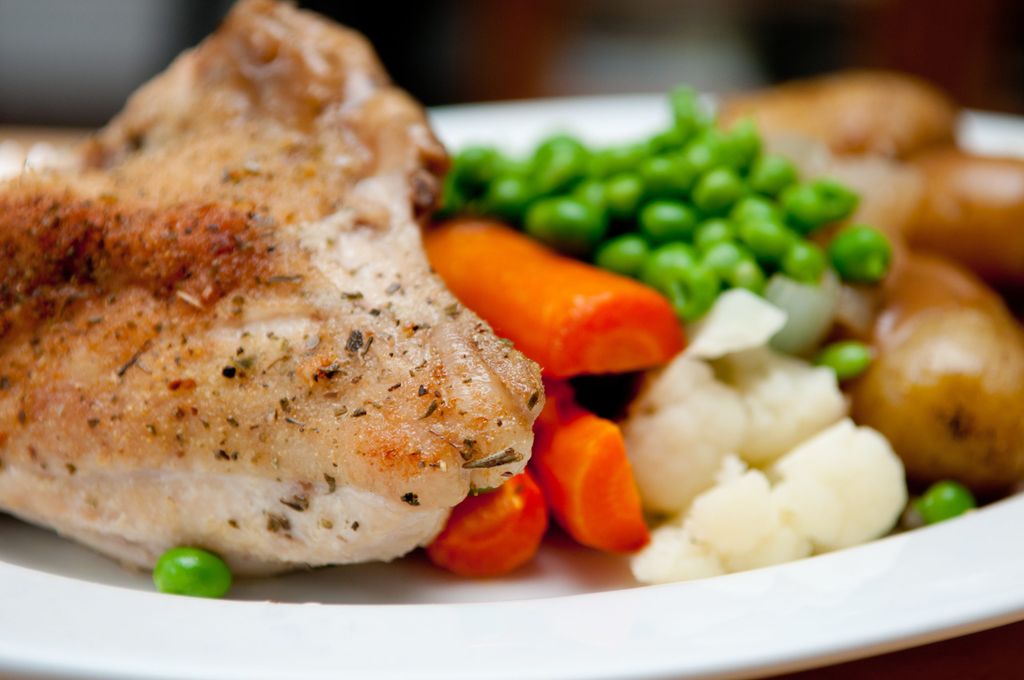
When it comes to meals, David said: "There's nothing stopping you to have the leftovers of yesterday's dinner if it's a roast chicken or slice of beef or whatever it is.
"Bring the dinner that's left over. I'd rather see people even have the likes of a roast beef dinner that they had the night before with spuds and veg, a good solid meal, rather than having the takeaway or a sandwich with a slice of ham in it."
David said he tells his clients there is "nothing too scientific about it".
"I try to get our clients to eat more whole foods that will keep you fuller for longer that have less ingredients," he explained.
'Realistic'
He said however that when someone is on the road, they should "utilise what they have and make the best out of" their options in the shops or delis.
He added: "You have options in most shops now where you have the likes of high protein meals that you reheat.
"These are some options that are realistic."
He said that with making more conscious choices on the go and keeping the protein intake high, farmers will stay fuller for longer, have more energy for their work and life, and also feel more optimistic.
"The best advice I can give any farmer is: utilise the tools you're given," David added.
That relates to exercise too, he said, and he advises farmers even if they don't go to the gym, to do the activity they enjoy and that is realistic for them.
DAFM
DAFM has also said it is important for farmers to take care of themselves and be mindful of what they eat.
It said farmers should fill their plate with up to seven portions of vegetables, fruit and fresh salad daily to boost nutrient intake.
Farmers should also never skip meals, increase daily fibre by opting for wholemeal or wholegrain options, and pack healthy snacks when on the move.
The department said that when cooking, you should opt to grill, boil or steam food instead of frying or roasting with oil or fat, and cut out foods high in fat, sugar and salt.
Health and safety
The department also advises farmers not to "underestimate the value of a good night’s sleep" for their health and safety.
"Lack of sleep or exhaustion can lead to a loss of focus and lapses in concentration, causing mistakes that can have tragic consequences," the department said.
"A tired, stressed mind easily loses focus, increasing the overall risk of a farm incident.
"Good organisation increases efficiency, improves safety and frees up time for interests outside the farm."
The department said farming can be a lonely occupation at times, but "taking care of your mental health strengthens your ability to handle the daily pressures of the workload".
"Break the isolation by taking time to chat with a neighbour, go to the local mart or join a local group.
"If you feel overwhelmed, reach out to a trusted friend, family member, call a confidential service or visit your GP.
"Choose a time to finish work each evening and stick to it as much as possible by postponing non-essential tasks so you have time for family and other interests outside the farm," it said.