Is the risk of a dairy heifer shortage still looming?

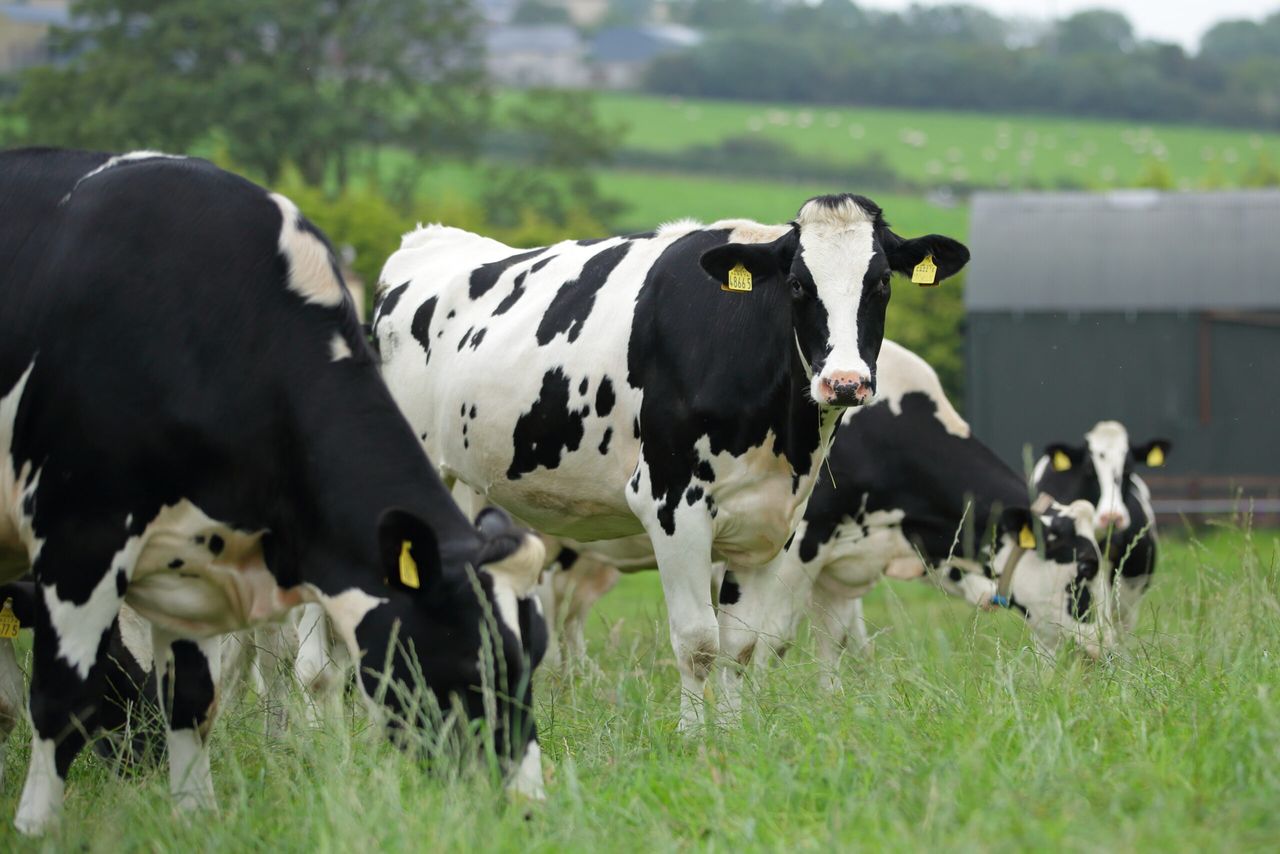
This time last year, there was plenty of chatter around the consequences of a dairy heifer shortage, but is that risk still looming?
As of Friday, July 17, the amount of calves registered to dairy dams in 2026 is up by 18,120 compared to 2025 figures, according to Irish Cattle Breeding Federation (ICBF) data.
This shows Ireland is on the right track and recovering from a potential shortage.
However, it follows a reduction of 32,230 calves registered to dairy dams between mid-July 2024 and mid-July 2025.
With farmers placing trust in sexed semen, we saw usage significantly increase last year and hold steady this year, which still keeps the risk alive.
ICBF also noted that the number of artificial insemination (AI) handheld servers is currently running 10,178 behind last year's figures, but dairy inseminations are up.
Overall, it is looking like Ireland has pulled away from a potential shortage, but what about other countries?
Heifer shortage
A continuous decline in dairy heifer births across the water in England has created a similar situation to what Ireland was in.
According to data from the British Cattle Movement Service (BCMS), there was a marginal increase of 0.4% in calves registered to dairy dams during 2025.
However, with the dairy-beef market holding strong across the UK, the increase in registrations does not directly correlate with increased dairy heifer registrations.
In fact, 60% of registrations to dairy dams had a beef sire while only 32% were sired by a dairy dam.
That means only 463,373 of the registered calves in 2025 were dairy heifers, which was a record low for England.
The Agriculture and Horticulture Development Board (AHDB) noted how continuous advancements in dairy breeding has reduced the need to overproduce.
However, the board highlighted that it has led to farmers only breeding the number of replacement heifers required, allowing them to put the rest to beef sires and ultimately boost profits.
This leaves English farmers dealing with a growing risk of a shortage of dairy heifers in the supply chain.
AHDB noted how this can also be linked to a lack of confidence from dairy farmers in milk price and wider agricultural challenges, forcing them to diversify for financial protection.
AHDB followed this by highlighting that the long-term view of the dairy industry does indicate increasing global demand and ultimately increasing milk prices.
If or when this happens, the demand for dairy heifers will more than likely rapidly increase, with farms left paying high rates to buy them in while slowing culling rates of older and problematic cows.