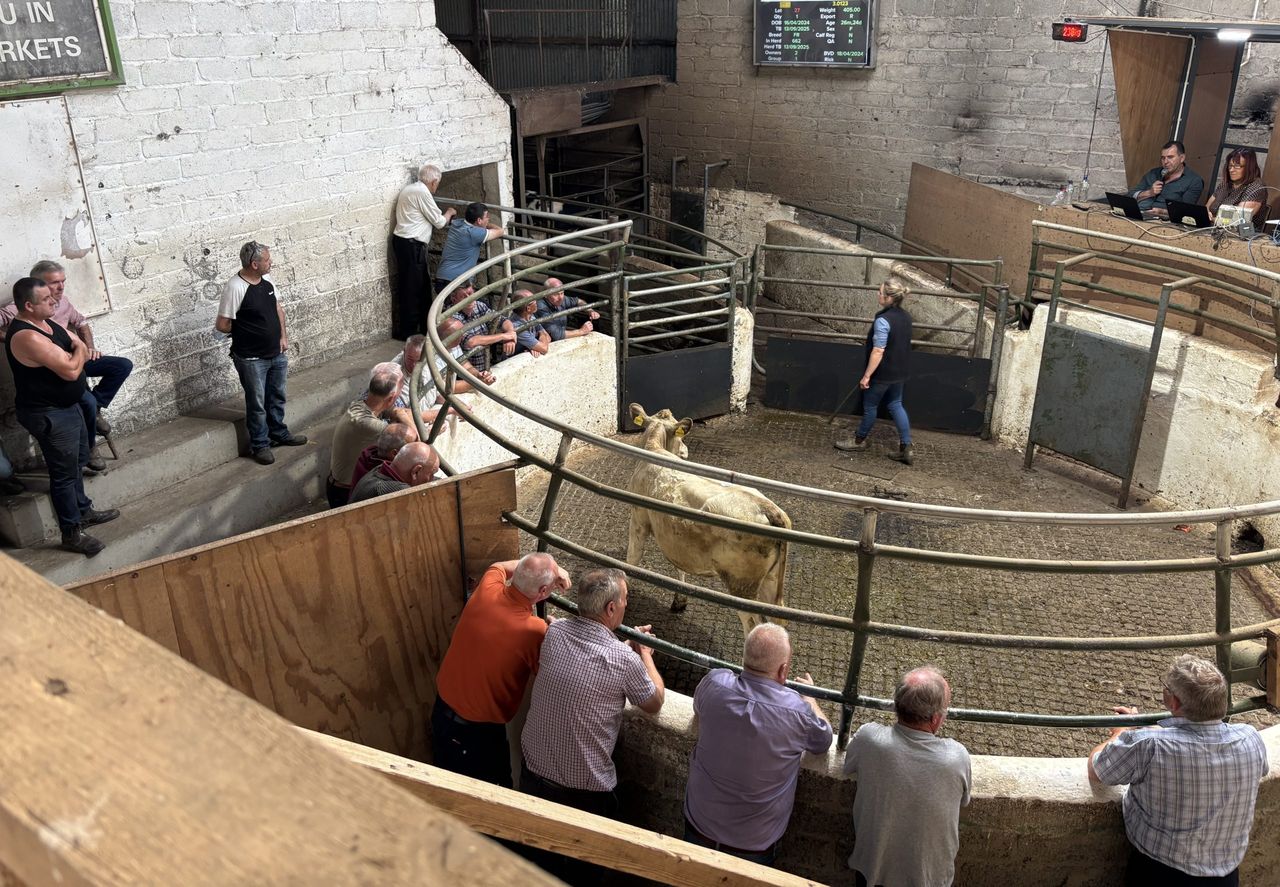
Brazilian meat 'being frontloaded into Europe' ahead of potential ban

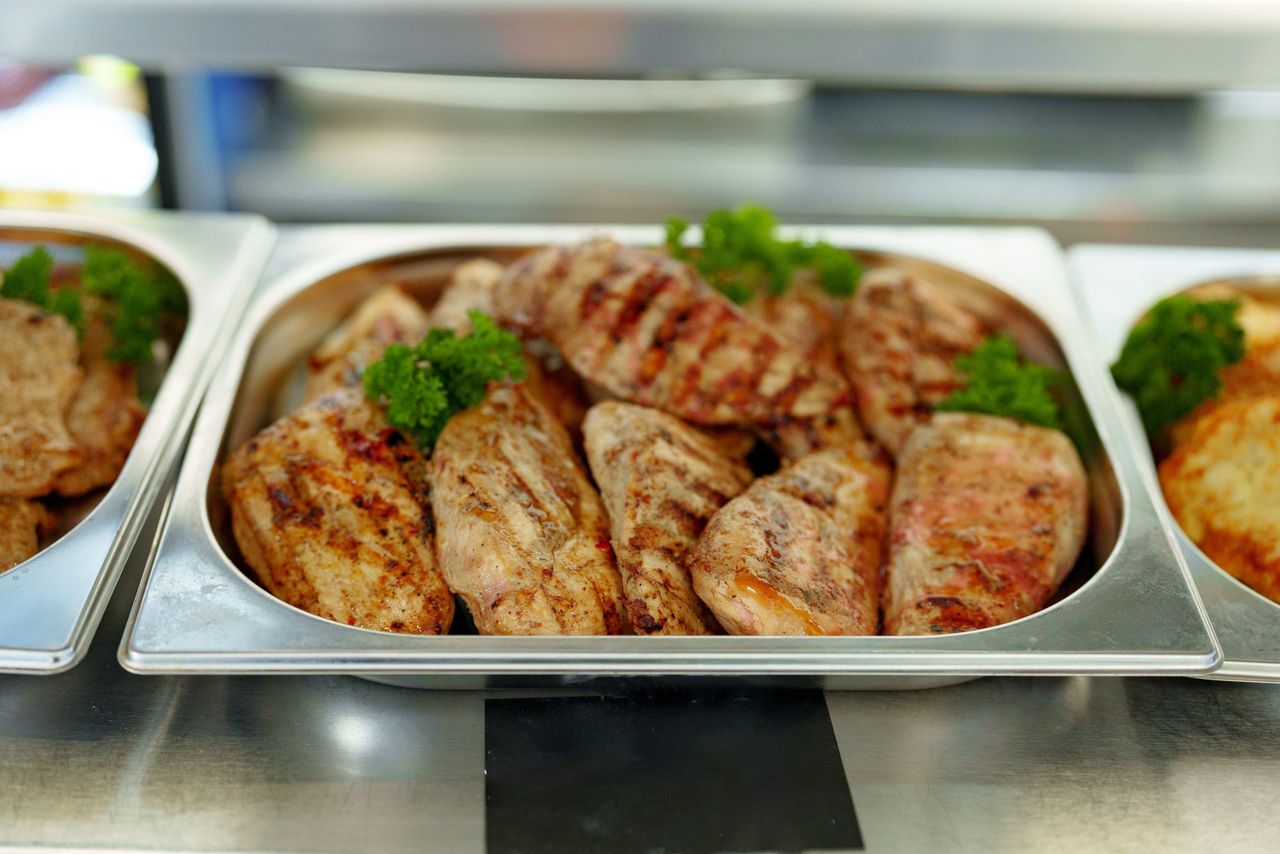
Brazilian product is "already being frontloaded into Europe" ahead of a potential ban on its meat exports to the EU from September.
The implementation date of September 3, 2026 is drawing closer and will take effect unless Brazil proves compliance with EU antimicrobial resistance rules.
A new report from RaboResearch said that Brazil’s chicken exports to the EU were up 53% year-on-year in the first half of 2026 compared to the same period last year, while beef exports increased by 7% over the same period.
"This may be driven not only by the anticipated ban, but also by the implementation of the EU–Mercosur agreement in May 2026, which could create additional incentives for increased imports," the report said.
"If the ban does take effect, however, chicken markets would face a broad tightening of EU supply, with added pressure on breast meat and processed product segments.
"For beef, the impact would be more concentrated in high-value segments, while adding to Brazil’s challenge of redirecting volumes in an already pressured global market."
Key supplier
RaboResearch outlined that Brazil is a key supplier to the EU, accounting for roughly 25% of chicken imports and 25% of beef imports, meaning any disruption would be significant.
A suspension would tighten EU beef and chicken supply and push prices higher.
"While impact in beef markets would be more pronounced in premium segments, the impact in poultry would strike across categories," the report said.
"While the EU would increase sourcing from alternative suppliers – most likely Argentina, Uruguay, and Australia for beef, and Ukraine, Thailand, and China for poultry – it is unlikely that these sources would fully compensate the volumes missing from Brazil.
"Suspending EU beef imports from Brazil would further intensify pressure on Brazilian exports, which are already expected to face headwinds in the second half of 2026 due to China’s tariff rate quota constraints."
Beef prices
RaboResearch said in its report that in the EU market, tighter supply due to reduced imports from Brazil "could provide a renewed boost to beef prices, just as earlier price increases started levelling off amid weakening demand in Q2 2026".
"Although this effect may be partially offset by higher imports from alternative suppliers, we expect upward pressure on prices, should imports be suspended," the report said.
Like beef, the suspension of Brazilian imports would put EU chicken prices under significant upward pressure, RaboResearch said.
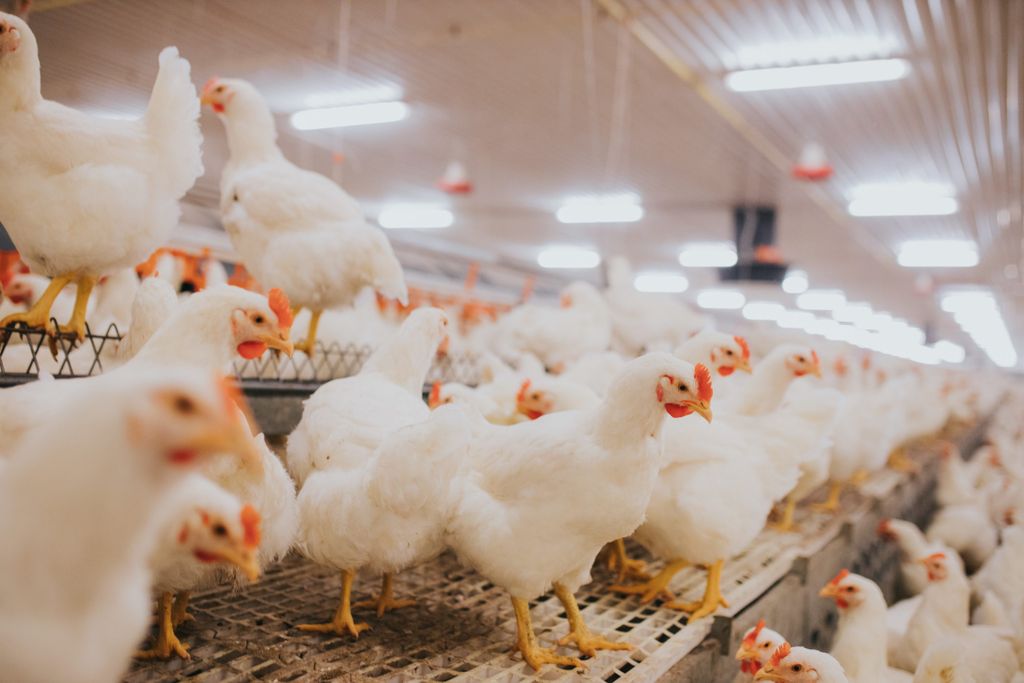
"The impact would entail a broader impact across product categories – mainly to the European breast meat market, but also indirectly to processed products," the report said.
"This pressure would mirror the dynamics observed during the supply shock of 2025, when Brazilian chicken imports were suspended following highly pathogenic avian influenza (HPAI) outbreaks in mid-May and late September.
"At that time, EU fresh chicken prices were already at historically elevated levels due to HPAI and Newcastle disease outbreaks across Europe.
"While the suspension of Brazilian imports mainly impacted the frozen breast meat market and customers dependent on Brazilian supply, the effects extended beyond this segment as well."
Compliance
In May this year, the European Commission published an updated list of 'third countries' authorised to export food-producing animals and animal products to the EU.
The commission said the countries on the list have proven their compliance with the EU restrictions on antimicrobial use in food-producing animals.
The list includes over 90 countries, including the Mercosur countries of Argentina, Uruguay, Paraguay, but not Brazil.
The rules on imports will apply from September 3, 2026, meaning that imports from Brazil may not be accepted from that date.

RaboResearch said Brazilian authorities are "confident and determined to achieve this within a short timeframe, ideally before September 3".
"While establishing and operating a fully functional national surveillance and monitoring system within just a few months is unlikely, it may be more feasible to provide guarantees for specific supply chains dedicated to EU exports, which could be sufficient to demonstrate compliance," RaboResearch said.
"Should [it] manage to provide the necessary guarantees, the EU will likely require an audit, further delaying the return of Brazilian exports to Europe."