Are your parlour feeders costing you money?

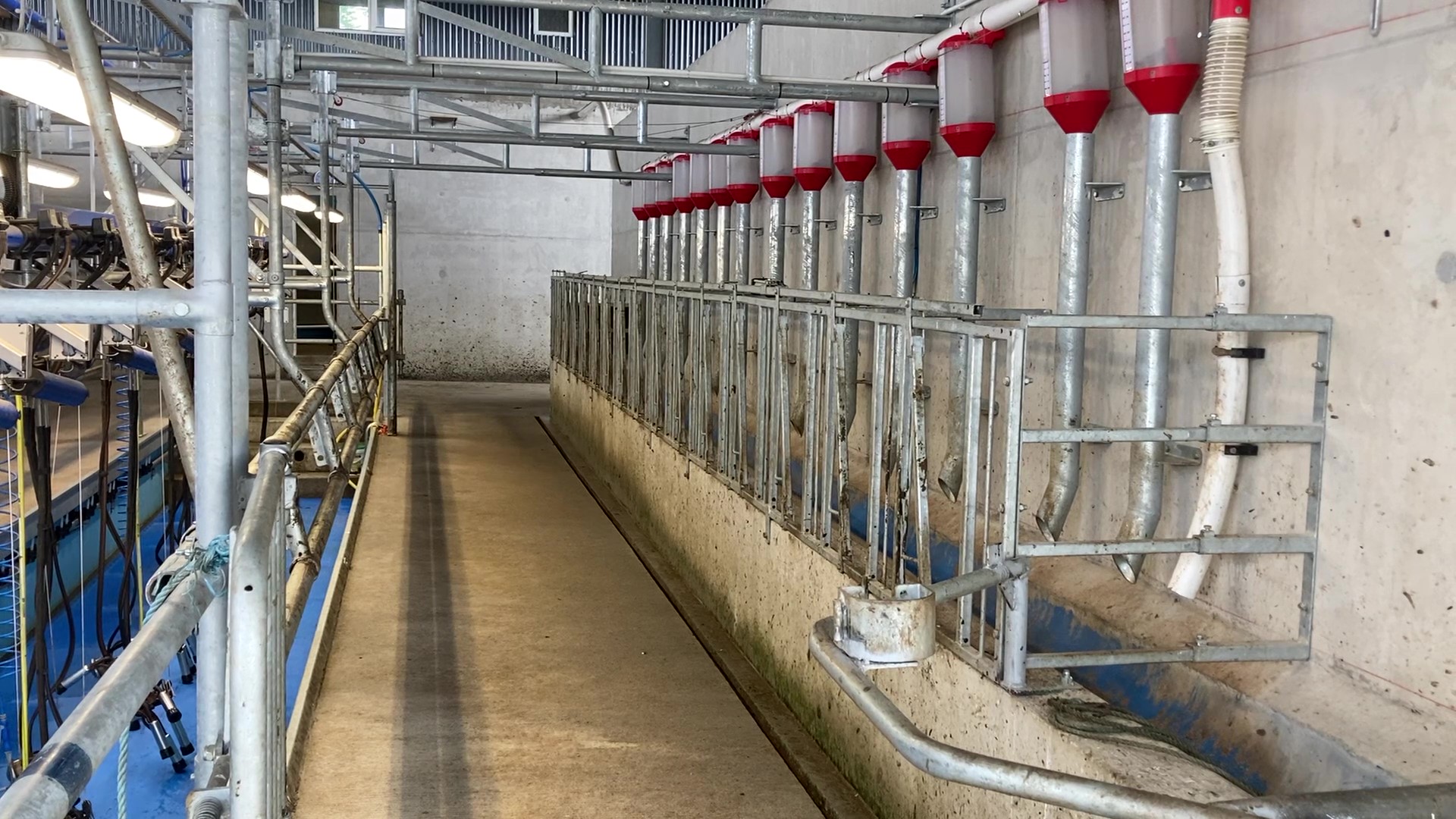
With the majority of calves now on the ground for winter milking herds, calibrating the feeders in the parlour should be a priority.
Overfeeding or underfeeding meal to the herd can have large impacts, not to mention the extra money spent on concentrates.
Unknowingly feeding the incorrect diet can lead to metabolic issues, reduced production, and can burn a hole in your pocket - considering feed can cost up to 40% of the farm's total costs.
Therefore, taking the time to calibrate the feeders in the parlour is well worth it to ensure you can accurately feed concentrates to the herd.
Following the calibration, it is well worth regularly monitoring the system to decide how routinely they need to be calibrated to stay accurate.
Feeders
Over time, dampness and consistent usage can impact the amount of feed actually being fed to each cow.
This commonly leads to each feeder having a mind of its own and feeding a different amount of concentrates to its neighbour.
Luckily, calibrating them is a task that can be done by yourself within an hour.
Get yourself a bucket, a set of digital weighing scales (ensure they are accurate by placing an object in which you know the weight of), and a calculator.
First weigh the bucket empty, then place it under the dispenser and release three batches of feed into it - this should help with accuracy.
Weigh the full bucket, take away the weight of the empty bucket and then divide by three to see how much feed is been dispersed.
Repeat this process on each individual feeder: if necessary, change the feeder settings to release more or less.
Ideally, this should be done after filling the meal bin with fresh feed, as density can change over time.
Moisture
While you are at it, inspect your feeders for any wear and tear that may require repairs.
Also check for any build-up of debris in the feeder mechanism, hoppers, and auger system that may affect the calibration or block the system.
Simple things can throw the system off, such as the lid of the container not being fully closed and allowing moisture in, which can then clog the mechanism.
This is often a simple fix, but can be easily avoided by just ensuring that moisture can not gain easy access.
If the parlour has not yet been serviced and liners/rubbers not yet changed, consider doing so.
From then on, it may be worth adding the calibration task to the list each time you are servicing the parlour.