Young EU farmers call for 'predictable conditions to invest over a lifetime'

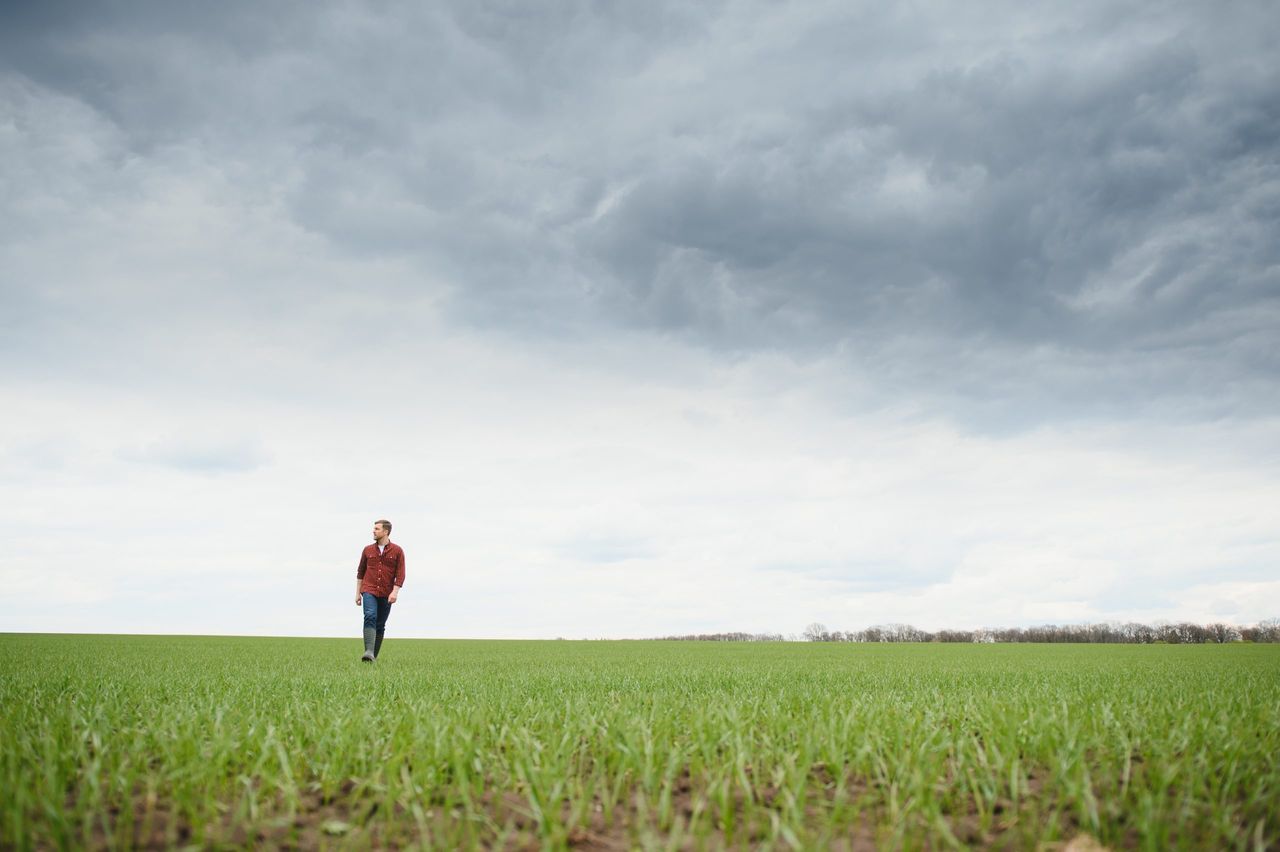
The European Council of Young Farmers (CEJA) has said that if generational renewal is a European priority, “it must also become a European investment priority".
CEJA made these comments after attending the 'Informal Meeting of Agriculture Ministers and Ministers responsible for Demography of the MED9 countries' (nine Mediterranean EU countries; Croatia, Cyprus, France, Greece, Italy, Malta, Portugal, Slovenia, and Spain).
The council called on member states to ensure that the future Common Agricultural Policy (CAP) provides young farmers with the predictable conditions needed to invest over the long-term.
Recently, the European Commission said it wants the next CAP to deliver "more targeted and fairer" support for farmers across Europe.
To do this it has proposed that the next CAP should be built around a single fund.
In essence, the current two-pillar structure would be replaced with a single framework under a National and Regional Partnership Plan (NRPP).
High-level discussions are now taking place over the next long-term EU budget for the period 2028 to 2034, which is likely to be in the region of €2 trillion.
The commission also claims that the next CAP will maintain direct payments but the new changes that it has proposed will also introduce measures "to prioritise support for young, small, and family-run farms" while reducing support for big farms by mandatory degressivity and capping.
Financial commitments
While CEJA welcomed the broad support expressed during the MED9 countries discussions for a more strategic approach to generational renewal, including through national generational renewal strategies and the Starter Pack for Young Farmers.
However, the organisation underlined that these ambitions must now be matched by dedicated financial commitments.
Matteo Pagliarani, vice president of CEJA and a young farmer from Emilia-Romagna, Italy, said: "The fact that agriculture ministers, and ministers responsible for demography, are discussing generational renewal together is an important political signal.
“It recognises that the renewal of our farming population is no longer simply an agricultural challenge. It is about the future of our rural territories, our food security, and Europe's long-term resilience.
"Young farmers are not asking for special treatment; they are asking for predictable conditions to invest over a lifetime.”
Pagliarani added that the group welcomes the support for a more strategic approach to generational renewal.
However, he added that “strategies alone will not reverse the demographic decline affecting European agriculture”.
He said: “If generational renewal is a European priority, it must also become a European investment priority."
Mediterranean
CEJA reiterated its call for a dedicated financial envelope for young farmers within the future CAP.
While the European Commission recommends allocating at least 6% of national CAP plans to generational renewal, CEJA continues to advocate for 10%.
It warned: “The reluctance of some member states to support dedicated funding risks weakening one of the central ambitions of the reform.”
The organisation also stressed that the Mediterranean region illustrates particularly clearly why generational renewal can no longer be discussed in isolation from climate adaptation.
It said that ageing farming populations, water scarcity, increasing climate pressures and rural depopulation increasingly converge in the same territories, making long-term investment and adaptation “essential conditions for maintaining agricultural production”.
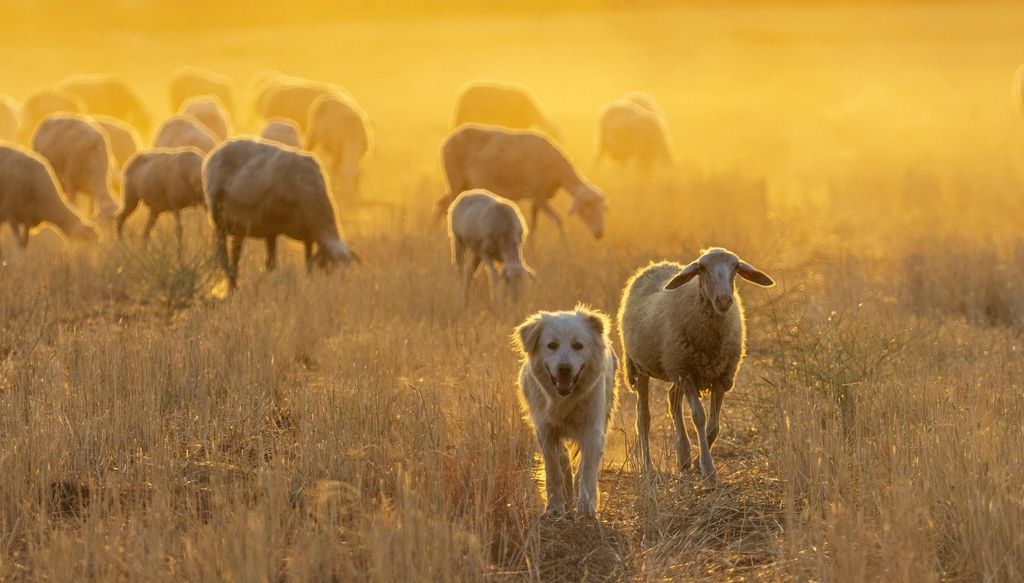
Pagliarani said: "Our Mediterranean landscapes have been shaped over generations by vineyards, olive groves, orchards, rice fields and extensive livestock systems.
“Preserving these productions is about much more than maintaining agricultural output. It is about preserving landscapes, communities and a cultural heritage that defines our region.
“Supporting young farmers also means preparing these farms for tomorrow's climate.”
CEJA further highlighted that generational renewal strategies should go “beyond agricultural measures alone”, and instead bring together policies on access to land, finance, advisory services, education, rural services, and climate adaptation to create the conditions for young people to establish themselves and remain in farming.
"The real question is no longer whether young people want to farm. It is whether Europe creates the conditions that allow them to stay, invest and build a future.
“That is the responsibility we collectively have as we shape the next Common Agricultural Policy," he said.