What do soil pH values actually mean?

Soil acidity levels are defined in terms of their pH values. This is a logarithmic scale, reflecting the in situ hydrogen ion concentration.
So, in other words, a 1.0 decrease in soil pH value represents a 10-fold increase in the presence of hydrogen ions.
Soil pH values are important as they determine the conditions under which crop nutrient availability is achieved.
This week has seen Teagasc highlighting the significance of soil pH values plus the related issues of crop nutrient availability and liming.
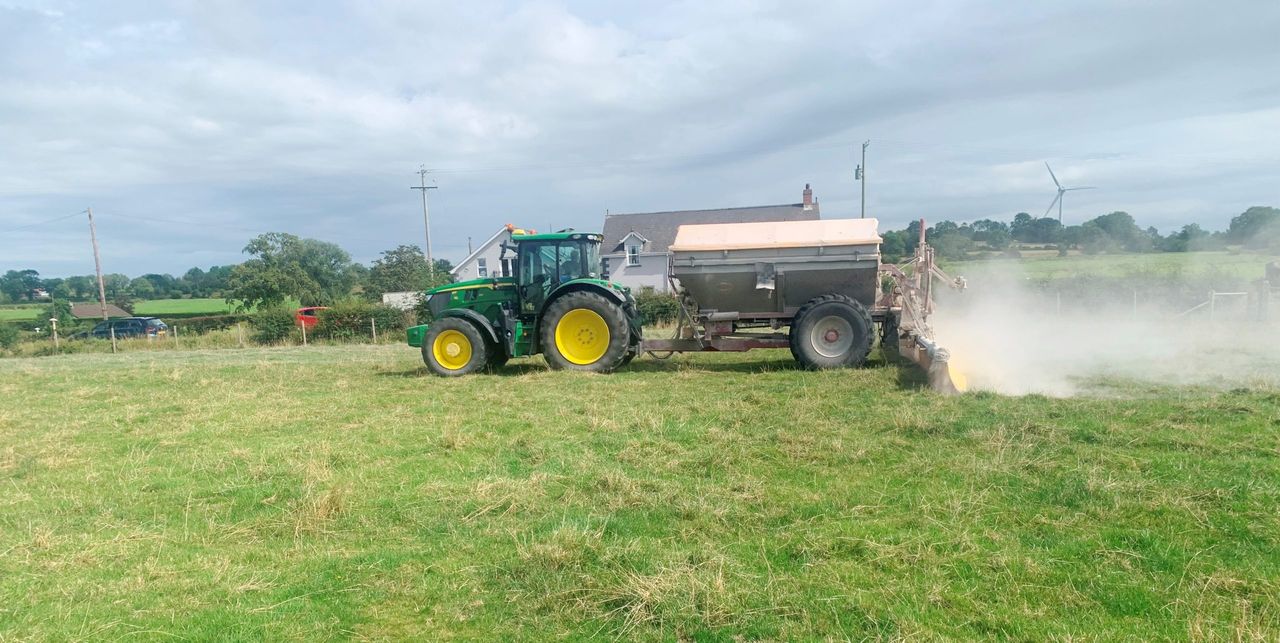
The application of calcium carbonate is nature’s way of neutralising or sweetening acidic soils: the single most important factor that determines crop output under Irish conditions.
So, for example, a soil at pH 5.5 is 10 times more acidic than one at pH 6.5.
Compared with neutral pH 7.0, a soil at pH 5.3 has approximately 50 times the hydrogen ion activity, increasing to 100 times at pH 5.0.
Phosphorus
Phosphorus (P) is particularly sensitive to soil pH. On acidic mineral soils, P increasingly reacts with iron and aluminium, forming compounds that are less available to crops.
As soil pH falls, particularly below 6.0, phosphorus availability can become increasingly restricted.
Although phosphorus may be present in the soil, a proportion can be held in forms that are not readily available for crop uptake.
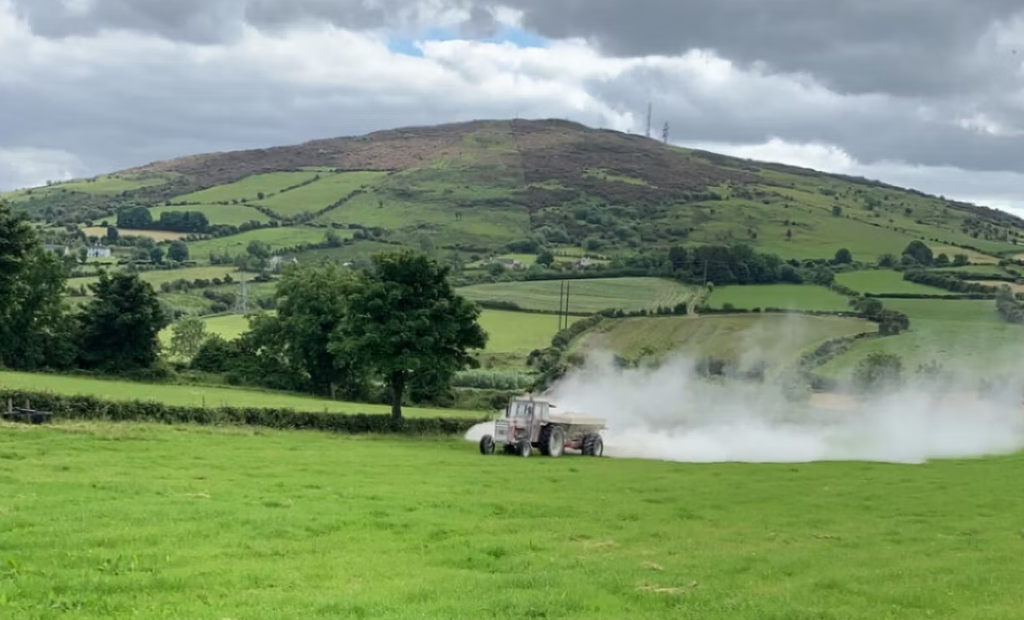
Correcting soil acidity through liming can improve phosphorus availability, allowing crops to make better use of both existing soil phosphorus and applied fertiliser.
For most cereal crops, the target soil pH is approximately 6.5, while beans and oilseed rape require closer to 6.8.
Review recent soil test results and identify fields where pH is below target. Follow the laboratory lime recommendation when determining application rates, rather than relying on soil pH alone.
Two soils with the same pH can have very different lime requirements because of differences in soil buffering capacity.
Liming
Where conditions are suitable, growers should have lime applied evenly, incorporating it into the cultivated layer where appropriate.
Spreading on waterlogged soils or where there is a risk of run-off should be avoided.
Lime takes time to react with soil, so correcting low pH should be planned well in advance of the next crop.
Before investing in additional phosphorus fertiliser for 2027, growers should ensure that soil pH is being managed appropriately.
Correcting soil acidity is an important first step in improving nutrient use efficiency and getting better value from fertiliser inputs.