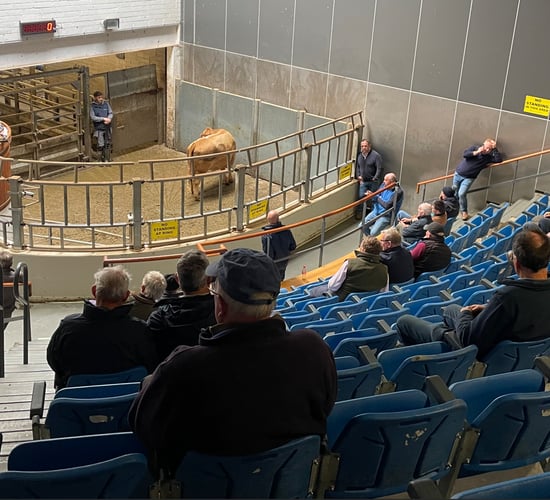
Watch out for the risk of pneumonia this winter

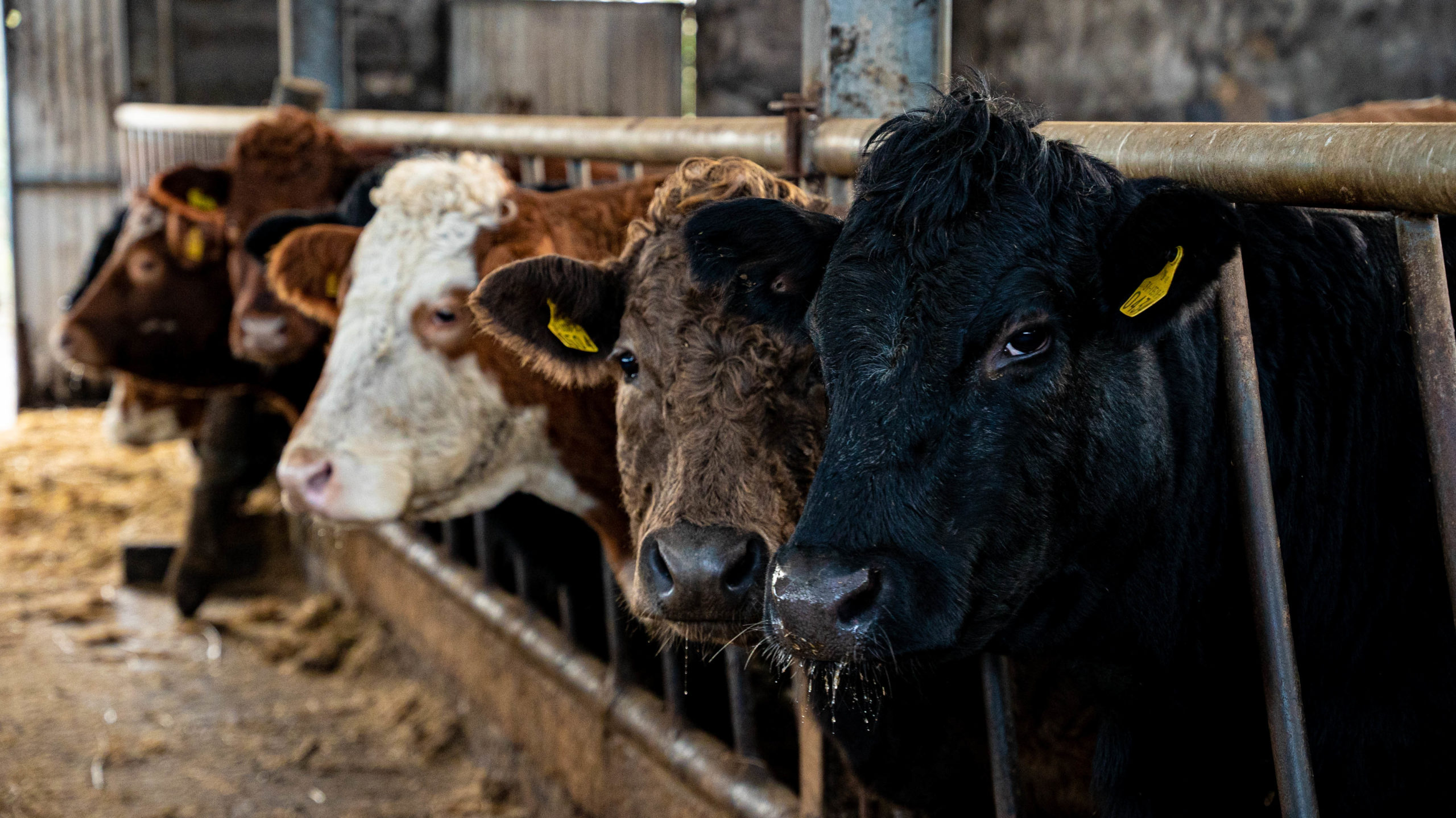
Temperatures have been everything but consistent over the last few weeks, creating a risk of pneumonia in housed cattle.
Most farmers have had cattle housed with the rain over last month, while a lot more were still out grazing considering the mild conditions.
The bacteria and viruses that cause pneumonia, otherwise known as bovine respiratory disease (BRD), are always present, but thrive in certain conditions such as mild weather.
The average of Met Éireann's weather station mean temperatures for November was 8.4°C.
However, there were a lot of days where weather was 16-17°C, which would be considered high risk for pneumonia.
Ideally, temperatures should be nice and cool when cattle are being housed, as the potential for outbreaks rises alongside the temperature.
Housing cattle
BRD causes inflammation in the animal's lungs and airways, which reduces productivity and negatively affects weight gain, and can even be fatal if not treated.
A cow with pneumonia will display signs such as reduced feed intakes and growth at first.
As conditions worsen their body temperature will rise, and they will display an increased breathing rate and effort while standing in a depressed head-down stance, as well as coughing and discharging mucus from their nasal.
While a cow can recover from a bad dose of pneumonia such as this, but she will never be the same, as the infection will permanently damage her lungs.
Therefore prevention really is the best medicine in this case, with setting up a good vaccination protocol on the farm being the first call of order in a bid to reduce the risk and prevent outbreaks.
Ideally farmers should be vaccinating cattle four weeks before housing, but it is never too late if you did not get to vaccinate yet.
Granted, a late vaccination may still result in an animal contracting pneumonia, but it should reduce mortality.
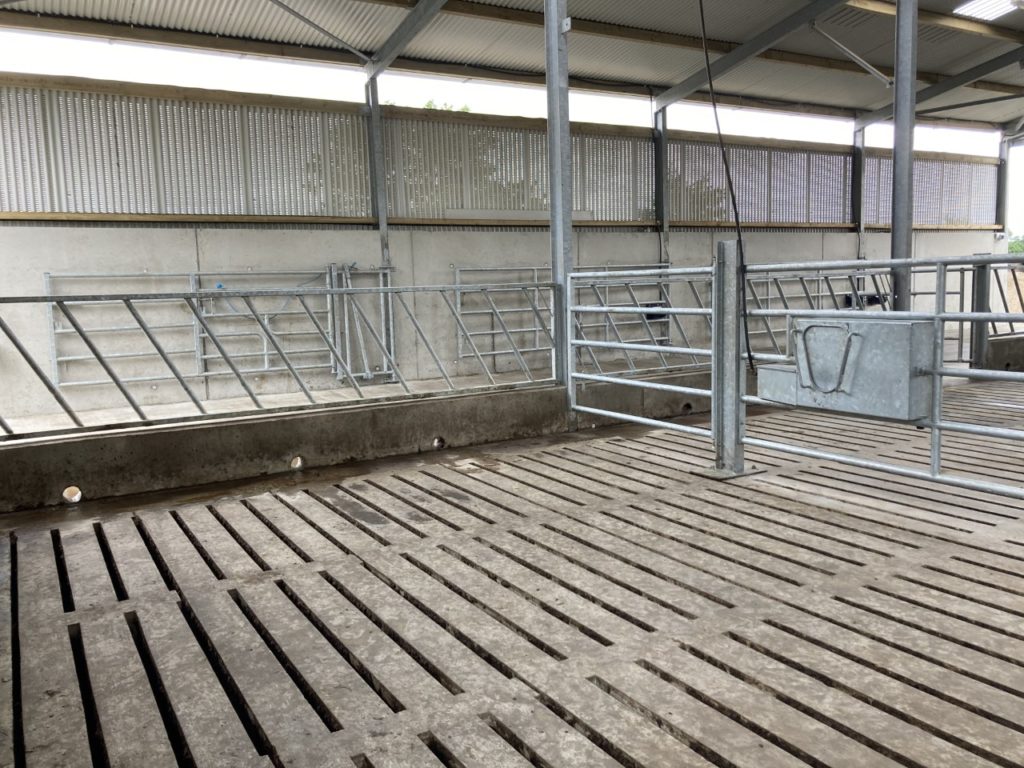
Another key prevention method is ensuring your cattle sheds are well vented, if air flow is restricted the infection is more than likely spreading.
However, it is important to balance ventilation, as strong draughts can also cause issues.
Group high risk animals such as such as bought-in weanlings in the best ventilated sheds, remember young animals are going to be more at risk than older animals.
Stress is another big factor that can lead to the onset of pneumonia, so ensure to the cattle are comfortable and in a calming environment.
Overstocked pens, weaning, and internal parasite burdens such as lungworm are all factors that can cause stress in cattle and ultimately lead to pneumonia.
Clipping the backs of cattle as they develop winter coats can also be beneficial, as this will also help prevent lice infestations.