'Vaccination is the only way to deal with BTV-3' - UK chief vet

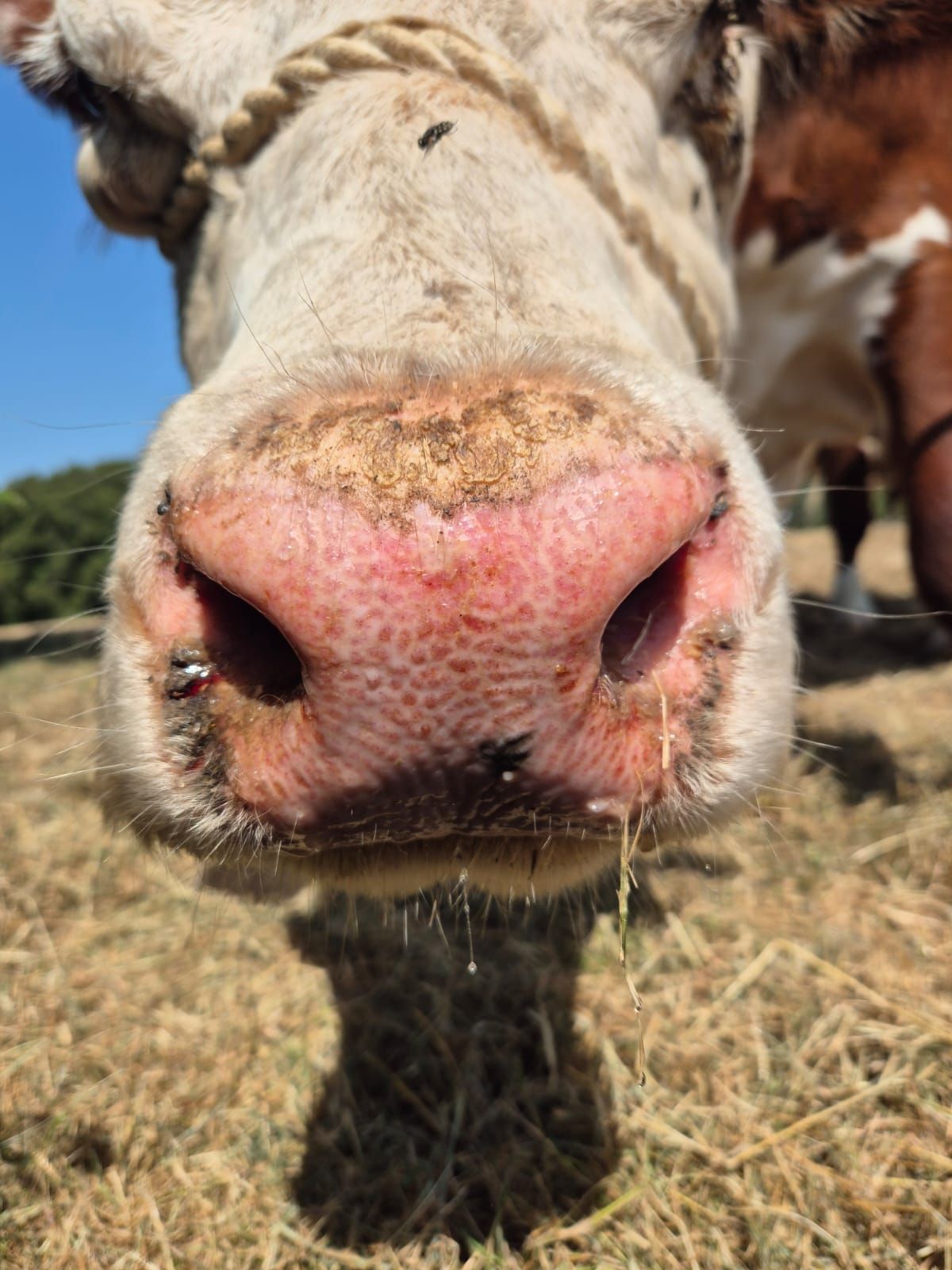
As cases of bluetongue virus serotype 3 (BTV-3) continue to rise rapidly across England and Wales, veterinary and livestock industry leaders are urging farmers to vaccinate to protect their herds and flocks.
During a special briefing organised by the Agriculture and Horticulture Development Board (AHDB) and the Battle Bluetongue industry group, the chief veterinary officers (CVOs) from England, Wales and Scotland reinforced the need for greater vigilance against BTV-3.
The latest data from the Department for Environment, Food and Rural Affairs (Defra) shows there have been 214 cases of BTV-3 in England in the current bluetongue season.
5 cases of BTV-3 have been confirmed in Wales, while no cases have been detected in Scotland.
A case refers to a farm holding which has reported the disease, with several animals potentially infected on individual units.
South-west England is currently hotspot for BTV-3, but cases have been reported across England and Wales.
This increase in cases is due to the hot weather which favours the lifecycle of the virus that impacts cattle, sheep, goats and camelids.
BTV
According to Christine Middlemiss, UK CVO, "vaccination is the only way to deal with BTV-3".
"It is carried by midges, so we are calling on all livestock keepers to vaccinate.
"We should also be clear that vaccination does not cause infertility in sheep or cows, contrary to some reports.
"It is the virus that causes infertility as it leads to temperature spikes in the animals. Vaccination ahead of the breeding season is therefore essential," she added.

Dr Middlemiss said it is important for farmers to talk with their vet about vaccination and dosing.
Vaccination costs for BTV-3 range between £2.50-£3.00 per dose.
Sheep typically require a single dose and cattle need two doses, three weeks apart.
Disease
Richard Irvine, Wales CVO, added that it was critical farmers "source stock responsibly" to avoid bringing BTV infected animals onto their farm.
He said farmers should be familiar with the clinical signs of BTV-3 and report any suspected cases of the notifiable disease to Animal and Plant Health Agency (APHA)
"The grave concern we all share is not just the spread of the disease, but the fact it is now in high density livestock areas.
"That is why it is so important for farmers to vaccinate and protect their animals.
“I feel we are potentially on the cusp of something in Wales as we head into the breeding season and therefore the impact BTV-3 could have both this year and next.
"That is why we need to take action now before we reach the peak of BTV-3 in September and October," he said.
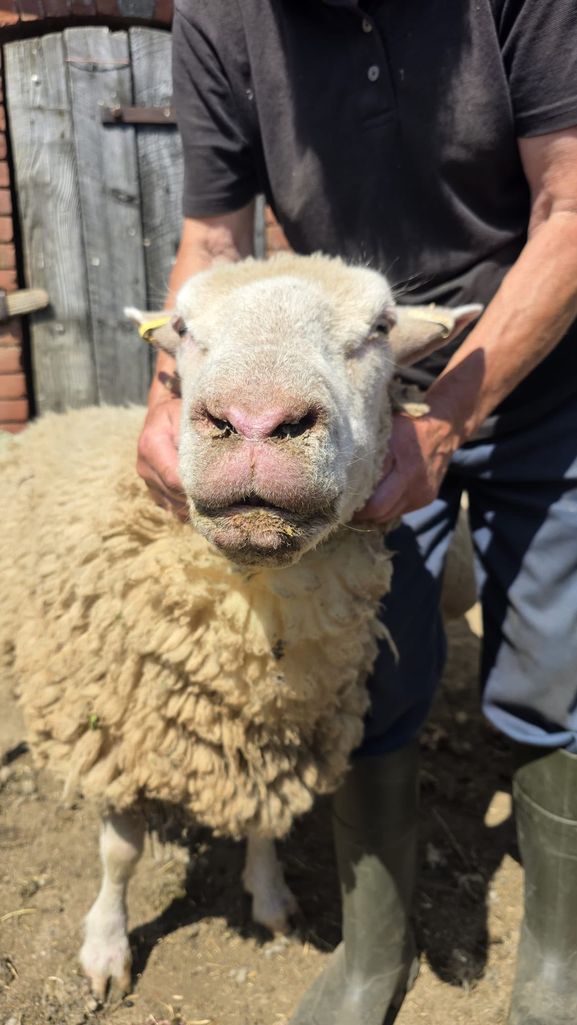
Sheila Voas, Scotland’s CVO, rigorous winter surveillance had taken place for the disease in Scotland.
She urged farmers on the border with England to be particularly vigilant for bluetongue.
National Beef Association chief executive Neil Shand and his National Sheep Association counterpart Phil Stocker, who are part of the Battle Bluetongue campaign, called on farmers to speak to their vet about vaccinating against BTV-3.
They added that industry collaboration was key in the fight against the virus.
Ireland
The first case of BTV-3 (bluetongue) was confirmed in a suckler herd in Co. Wexford January 24 this year.
To date, surveillance has identified bluetongue in additional herds in the following counties: Wexford; Wicklow; Louth; Laois; Monaghan; Kildare; Cork; and Tipperary.
Investigations indicate these cases are historic from last autumn and no clinical signs were noted in any of the herds.
According to the Department of Agriculture, Food and the Marine (DAFM), the likely source of the incursion of the disease in the country was by infected midges blown across the Irish Sea in late autumn 2025.
The department is advising that any farmers who have not yet vaccinated stock should strongly consider vaccination.
DAFM said vaccination can reduce the risk of economic losses and further spread of the disease.
The department outlined that vaccination of breeding animals is especially important given BTV infection affects fertility (infertility, early embryonic death or abortion) and the virus can be transmitted in semen during mating.