The importance of checking the condition of the conditioner

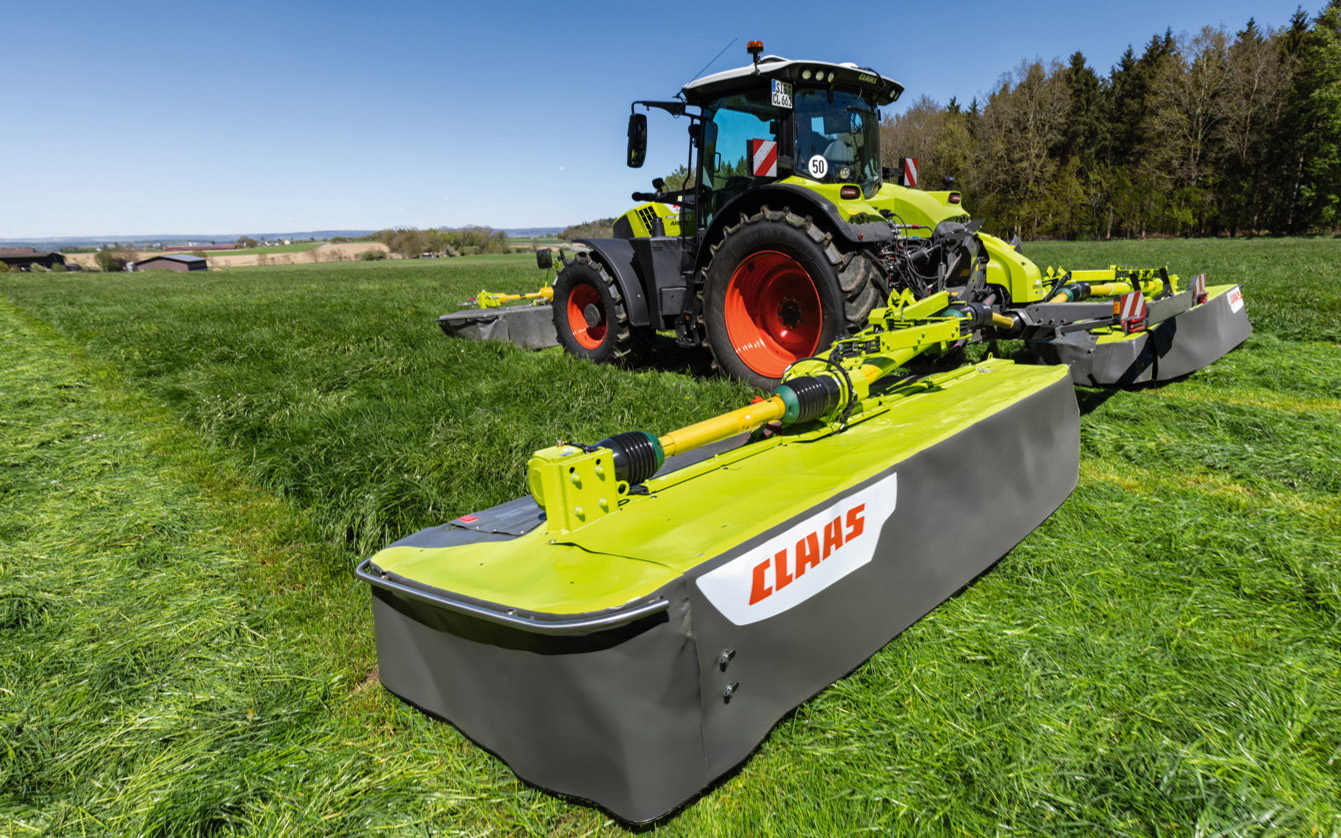
With spring just around the corner, thoughts will be turning to the silage season.
The first operation of the harvest is mowing, a task that is often under pressure from the weather, so speed and efficiency are key.
There are several major factors which affect the choice of mower, with the first being whether it should be a plain mower or have a conditioner attached.
There is still an ongoing debate as to the effectiveness or need for a conditioner, with figures for the effect on dry matter being somewhat scarce.
Plain or conditioner
The arguments for a plain disc mower are valid: they require less horsepower, around 20-25hp/m; are lighter and so put less stress on the tractor; and they are easier on the budget.
However, good silage demands a rapid drop in moisture content, as wet grass will not encourage a healthy fermentation.
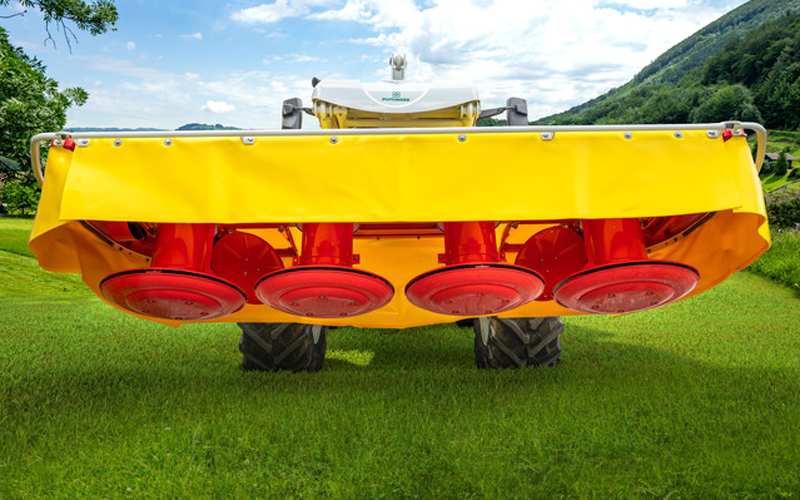
In normal weather conditions, cut grass will have its stomata open for the first half hour or so before it recognises that it has entered a drought situation and these leaf openings close up.
A leaf with its stomata closed will take longer to dry, so the desired moisture loss is reduced. It is a natural reaction and one which may be overcome by conditioning.
Swinging tine
The vast majority of conditioners in use on Irish farms are of the tine type.
These are predominantly steel, but maybe plastic, blades that pass through the grass immediately after it has been cut.
The reason for doing so is not to break the leaf but to abrade it, rubbing and disturbing the waxy cuticle that acts to retain moisture and stop the leaf drying out.
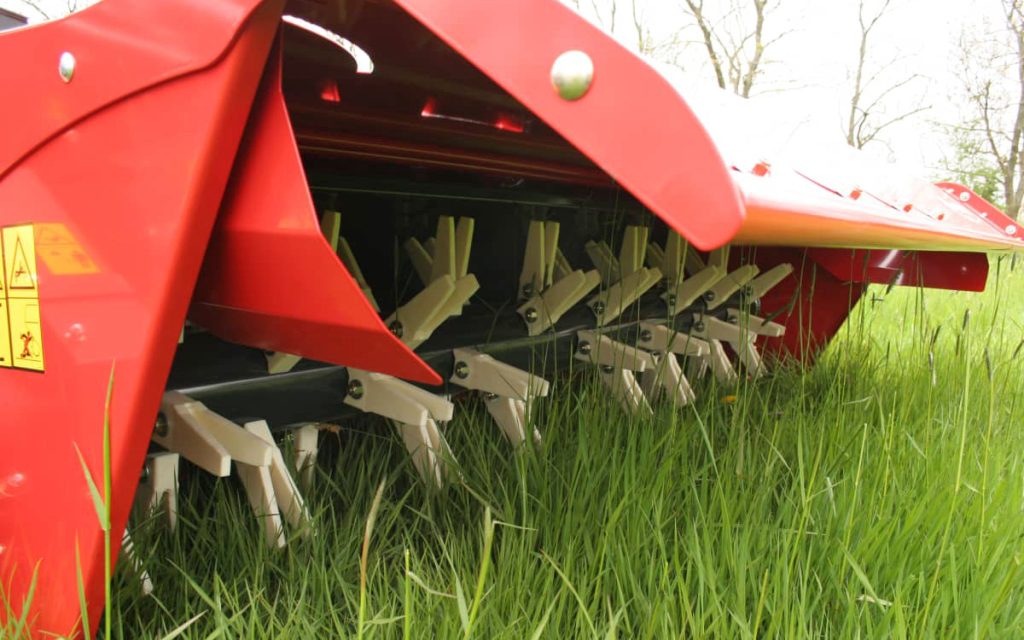
It overcomes the action of the stomata, allowing a secondary escape route for the moisture contained within the leaf and so increasing the rate of moisture loss.
Adjusting the degree of conditioning is done by setting the distance between the rotor tines and the mower hood - the lower the hood the greater the conditioning effect.
Abrasion counts
It might be thought that heavier crops will not be as greatly effected as lighter cuts, but this is not the case, for the abrasion not only occurs between the grass and the tine or hood, but also between the leaves themselves.
Thus, it is the difference in speed between the leaves that will dictate the conditioning effect - the greater the velocity gradient, the more pronounced the effect.
A fast spinning rotor and a stationary hood will mean that as the grass passes through the mechanism, the leaves will be rubbed together and the moisture containment properties will be degraded.
There are other forms of crimping conditioner on the market, but these are more suited to delicate crops such as legumes or young leys.
Check the conditioner
New mower conditioners can be expensive, so when out looking for a used model, it is important to check not only the usual items of running gear, the bed, bearings, power takeoff (PTO), etc., but also the state of the conditioner blades and the hood.
Wear of the tines will reduce their ability to accelerate the grass and so decrease the overall abrasion of the grass, while if the tines are broken or lost, then they cannot work at all.
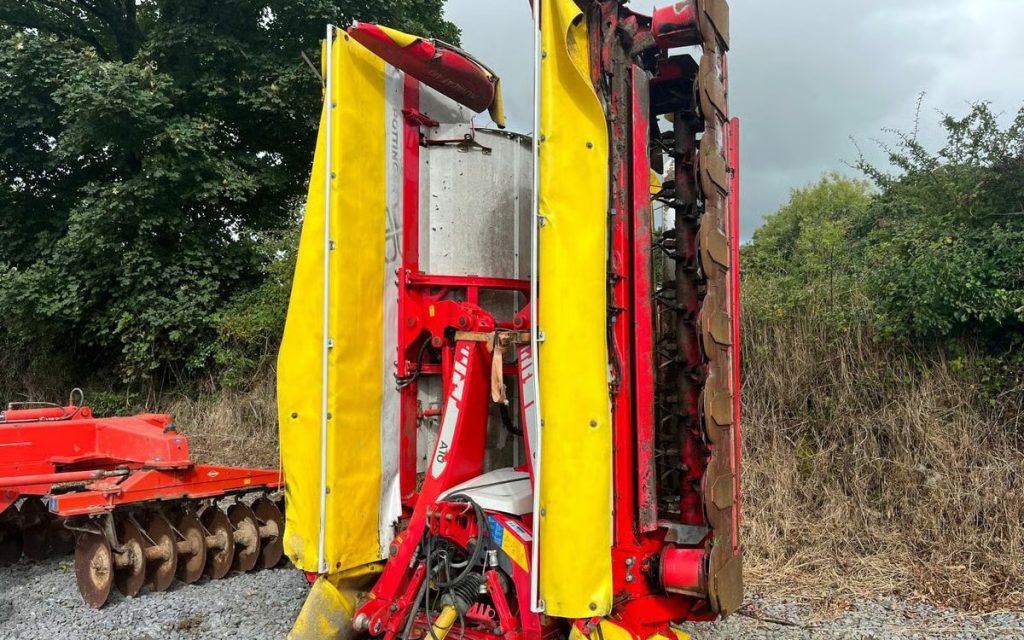
Missing tines can also upset the balance of the rotor, leading to increased wear on the support bearings.
Lighter crops will require adjustment to the hood level, so it is important to ensure that the adjustment mechanism is not seized up and the hood can be held firmly in place.