Table: Guide autumn weaning calendar for suckler farmers

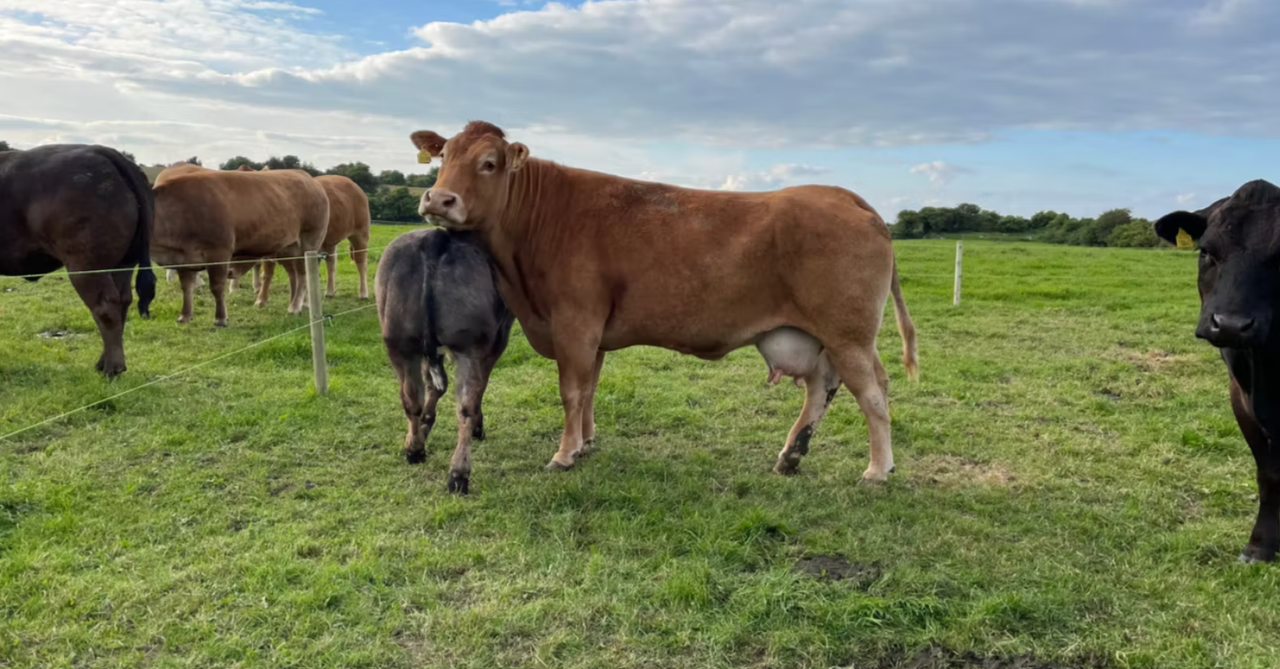
Suckler farms that take early weaning preparation steps can reduce the level of stress and animal health issues on their farms when weaning time arrives.
Timely vaccination plans and early introduction of creep feed are two of the key management steps involved in a successful suckler weaning strategy.
Where farmers plan on castrating weanlings, it is best to do so in advance of weaning.
Teagasc also advises farmers to administer a clostridial vaccination and booster shot at this time.
The legal regulations for castration of bulls, which are detailed in this article, should also be followed.
The table below details a guide weaning preparation calendar for suckler farmers planning to wean calves in the final days of September:
| Date | Action | Details / Notes |
|---|---|---|
| August 1 | Start clostridial vaccination | Begin two-shot primary course if not done as a calf. |
| August 15 | Pneumonia vaccination – first dose | Two-shot (Mannheimia): administer first dose. |
| August 15 | IBR vaccination | If using one-shot pneumonia vaccine, give IBR now. If using a two-shot pneumonia course, follow the recommended timing. |
| August 16 | Introduce creep feed | Build up gradually to 1kg/head/day pre-weaning. |
| August 30 | Castration of male calves + clostridial | Castrate in accordance with legal requirements. Administer clostridial vaccination as appropriate. |
| September 15 | Pneumonia vaccination – second dose | Two-shot pneumonia course: administer second dose. |
| Late September | Weaning | Wean approximately two weeks after the second pneumonia vaccination. |
Where the weaning date may be later, suckler farmers can identify the planned weaning date and work back from there.
For suckler farmers planning on castrating weanling bulls, the following legal regulations for castration in Ireland apply:
- Under 8-days-old: Castration can be performed without anaesthesia using a rubber ring, which cuts off blood flow to the scrotum;
- Older than 8 days: Rubber band castration must be performed with local anaesthesia (e.g., lignocaine, which is a veterinary surgeon-only medicine) and administered by a veterinary practitioner;
- Under 6-months-old: Non-surgical castration using a Burdizzo device is allowed without anaesthesia;
- Over 6-months-old: Castration must be performed by a veterinary practitioner using local anaesthesia (e.g., lignocaine), a VSO (veterinary surgeon-only) medicine.
While vaccination and meal feeding are two of the key aspects of a good vaccination strategy, pre- and post-weaning parasite control is also important.
Calves should be closely monitored for clinical signs of internal or external parasites and treated as required.
Different farmers have different strategies when it comes to weaning calves from cows.
The most effective methods involve reducing the cow-calf bond gradually before gradually removing cows from the herd, leaving the calves in the same familiar environment during the transition.
Clostridial vaccination note
Teagasc advises the use of a clostridial vaccine at castration to protect the animal from potentially fatal infections caused byClostridium bacteria entering through the wound.
The advisory body does not recommended to give a clostridial vaccine at the same time as any other vaccine as it may strain the immune system.
According to Teagasc, if a two-shot primary course of clostridial vaccine was not given to the weanling as a calf, farmers need to start now to allow castration 30 days after the initial clostridial shot.
The second clostridial shot can be given approximately 30 days after the first.
If a primary clostridial vaccination course was given, only a booster shot at castration is required.
Having a calf that is vaccinated, free from internal parasites, and confidently eating concentrates at weaning will help ensure the calf suffers no performance setbacks at weaning time.