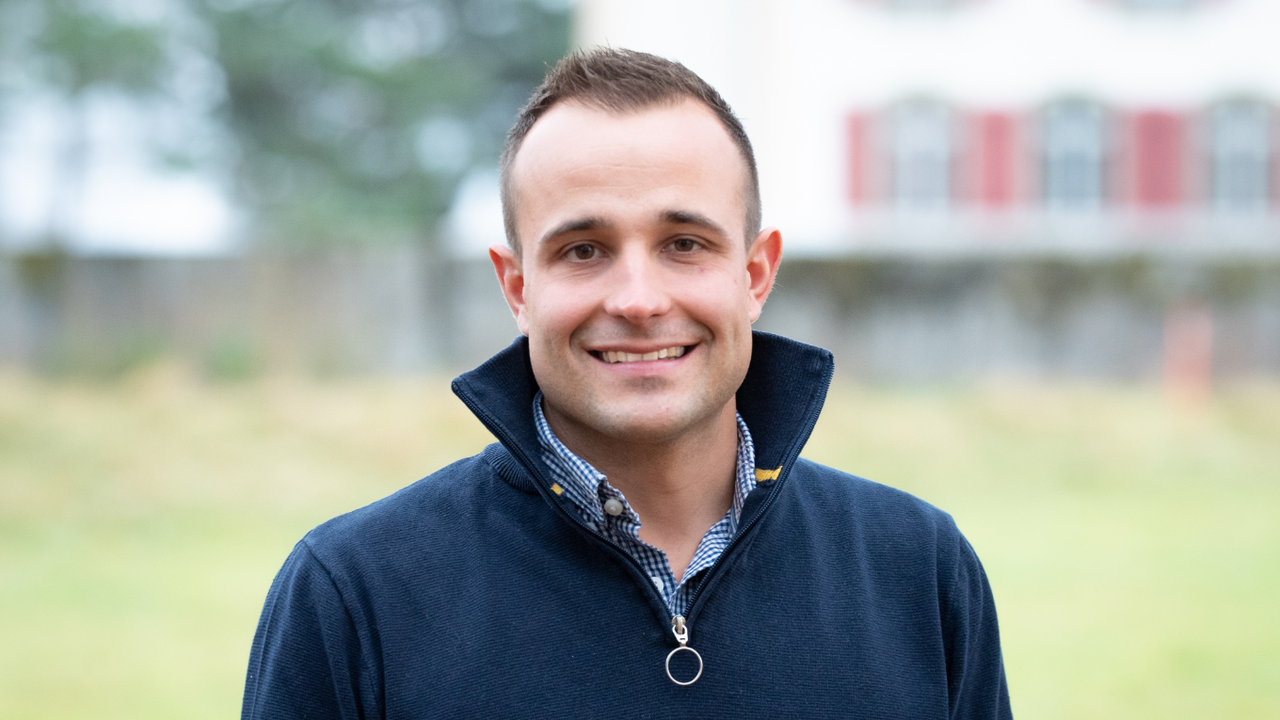
Karina Pierce on education's role in creating agri leaders

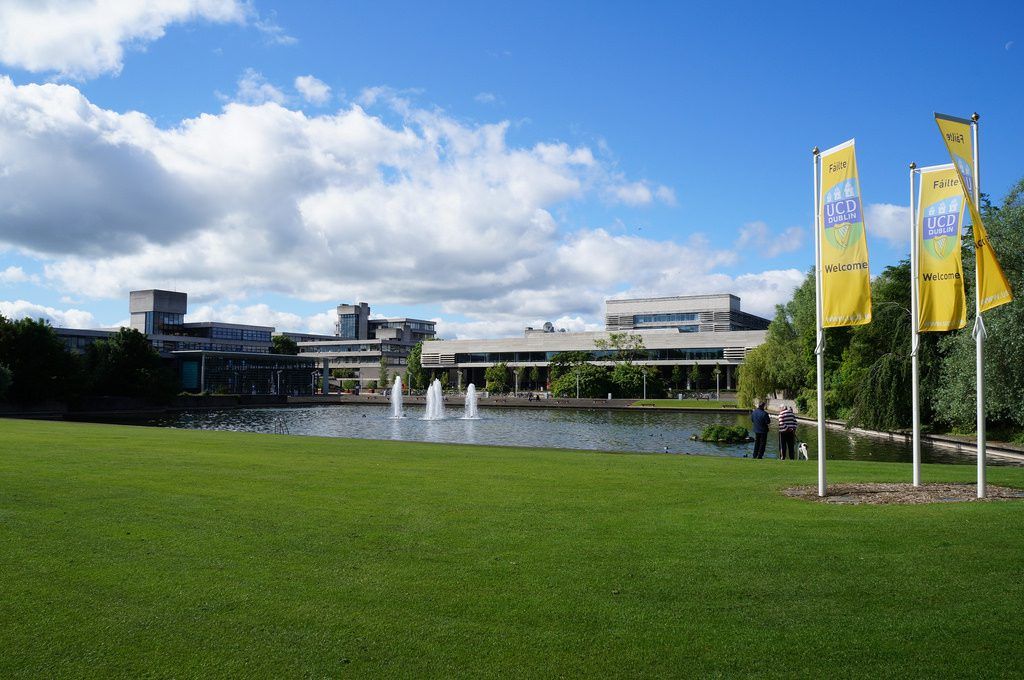
Colleges around the country are preparing to welcome agricultural students to their campuses as the autumn semester nears.
The upcoming term will mark a new beginning in many academic careers - and not just for students.
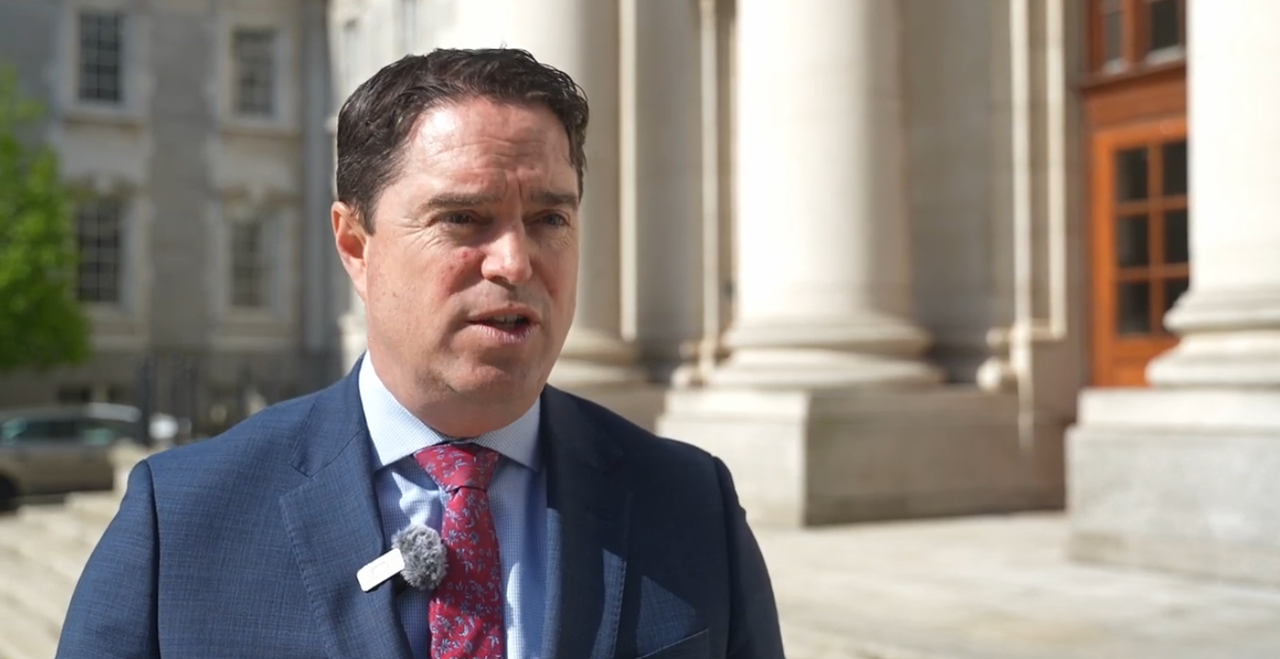
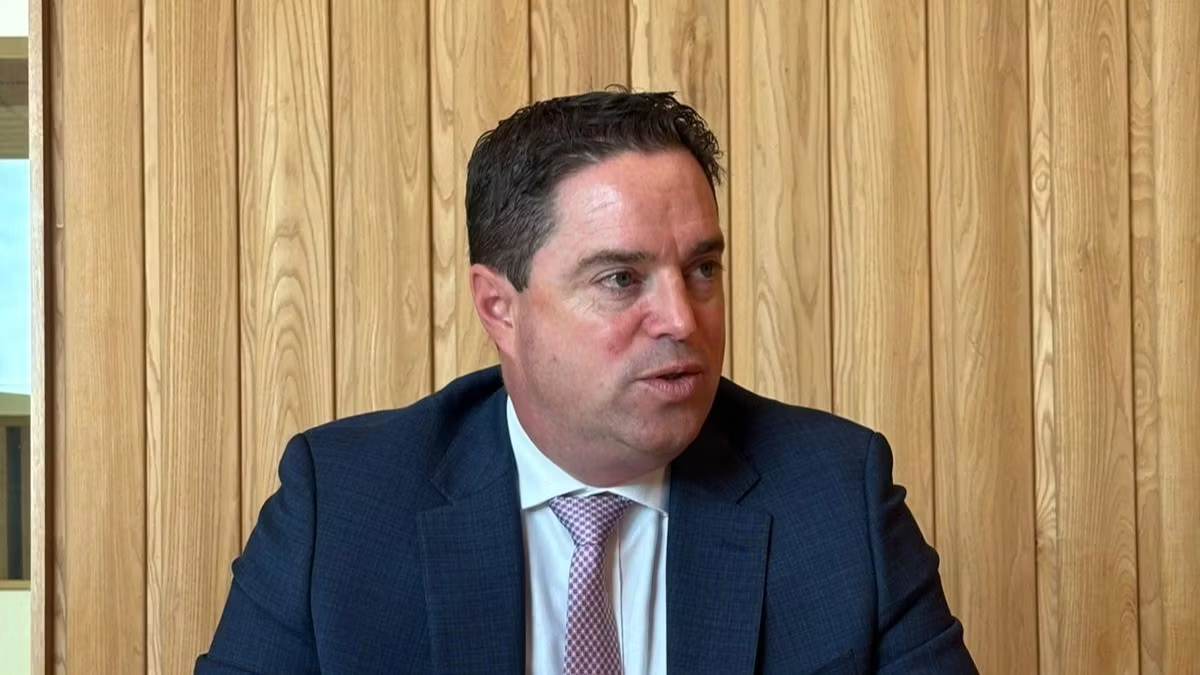
Prof. Karina Pierce has recently been appointed as dean of agriculture and head of the School of Agriculture and Food Science at University College Dublin (UCD).
Prof. Pierce will take up her new role from September 1, 2026.
"It's a huge honour and privilege to take on the role and following in the footsteps of many fantastic people before me," she told Agriland.
Prof. Pierce graduated from UCD with a bachelor of agricultural science (BAgrSc) in 2001 and a doctor of philosophy (PhD) in animal nutrition in 2005.
A love of agriculture
"I'm from a farming background. I grew up on a small sheep and beef farm in Roundwood, Co. Wicklow," she said.
She has "always had a love of agriculture", and was on the farm with her father since she was small, and the interest stayed with her through school.
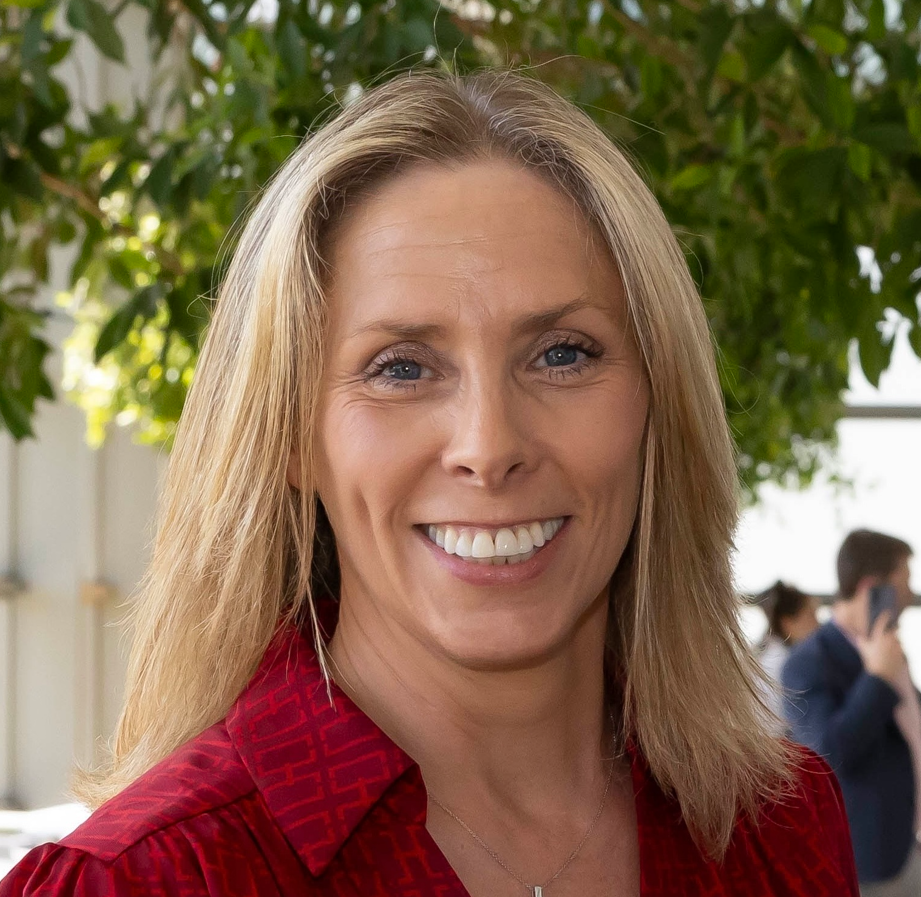
"Agriculture in UCD was kind of an obvious route for me to take," Prof. Pierce said.
"I'm 19 years in UCD, and my role up to now has been lecturer and researcher in dairy production."
She has also served as programme director of the BAgrSc dairy business programme since its inception, along with holding the role of director of external relations within the school.
Now in her new role, which runs for a five-year term, she will be leaving some of her teaching and research work behind her for the moment as she embarks on this leadership role, something she described as "quite a big change" for her.
"The School of Agriculture and Food Science... it's a large school and the role of dean and head of school is multifaceted," she said.
She is ready however for the "exciting" academic year ahead.
Women in agriculture
Prof. Pierce's appointment marks a significant milestone as she becomes the first woman to hold the position in the school's history.
"I see that as a reflection of how agriculture and agri-education have evolved over the last 100 years," she said, with the school this year commemorating the centenary of the establishment of the Faculty of Agriculture at UCD.
"While it's an important milestone for me personally, I think again it really symbolises the opportunities that are open to women now across agriculture, science, higher education," she said.
2026 has been declared the International Year of the Woman Farmer by the United Nations (UN).
This year is spotlighting the essential roles women play across agri-food systems, from production to trade, while often going unrecognised.
Positive
Prof. Pierce said the numbers are "really positive" when it comes to students coming into the school, with an approximate 50:50 ratio of men and women.
"If you take a closer look at that and break it down into individual programmes, some of them might have a stronger leaning towards male or female," she explained.
"For example, dairy business that I've been programme director for is predominantly male. Human nutrition would be predominantly female.
"So that's something we need to continue to work on, that it's not seen that one is for males and the other is for females. But, we are definitely making progress.
"On the staff in the school here, it's basically 50:50 as well."
Strong leadership roles
Prof. Pierce said there has been "huge development" in this area during her time in the school.
"That's something that I have found really encouraging over my career is seeing women in leadership roles here in UCD," she added.
"Our president is a woman, so that's been very inspiring to me to see women in those strong leadership roles."
Prof. Pierce said there has been a lot of focus on encouraging women into farming in recent years which has had an impact.
While the statistics show it is still very male-dominated, Prof. Pierce said the situation is "improving".
"This year, the year of the woman farmer, is really positive as well," she said.
"Ultimately, agriculture is strongest when it benefits from the talents of everyone.
"There is always a challenge. We see that around succession, generational renewal. So the role of women is going to be really key in that."
Only female in the room
Prof. Pierce said when she started her career in the animal feed industry in the mid-2000s, "I would go to events and would often be the only female in the room".
"I've sat around board tables where you can be the only female in the room and that is not always a comfortable place to be - because you feel you're very conscious of everything you say in a room where you're the only one," she said.
"I would say that has changed for the better over [the] years.
"So while there's still work to do, I think there's a lot of progress has been made in a relatively short period of time."
Challenges in agriculture
Other "very significant" challenges facing the agriculture sector include environmental sustainability and profitability in the industry, the professor acknowledged.
"There are short timeframes for some of them in which we're to find solutions, so I think education is massively important to educate farmers and graduates to thrive in a rapidly changing world," she said.
"Farming today is very knowledge-intensive; so students need expertise in animal science and crops, around environmental sustainability, but they also need business acumen too.
"They also have to be equipped in terms of data analytics.
"Technology is growing all the time, artificial intelligence is a new area that has evolved rapidly in a short period of time."
She said the school's role is to "produce leaders for the sector right from primary production into the industry".
Importance of research
Prof. Pierce added that research "really underpins the future competitiveness and sustainability" of Irish agriculture.
"The research that our people in the school do, they're delivering practical solutions that improve productivity while protecting natural resources," she said.
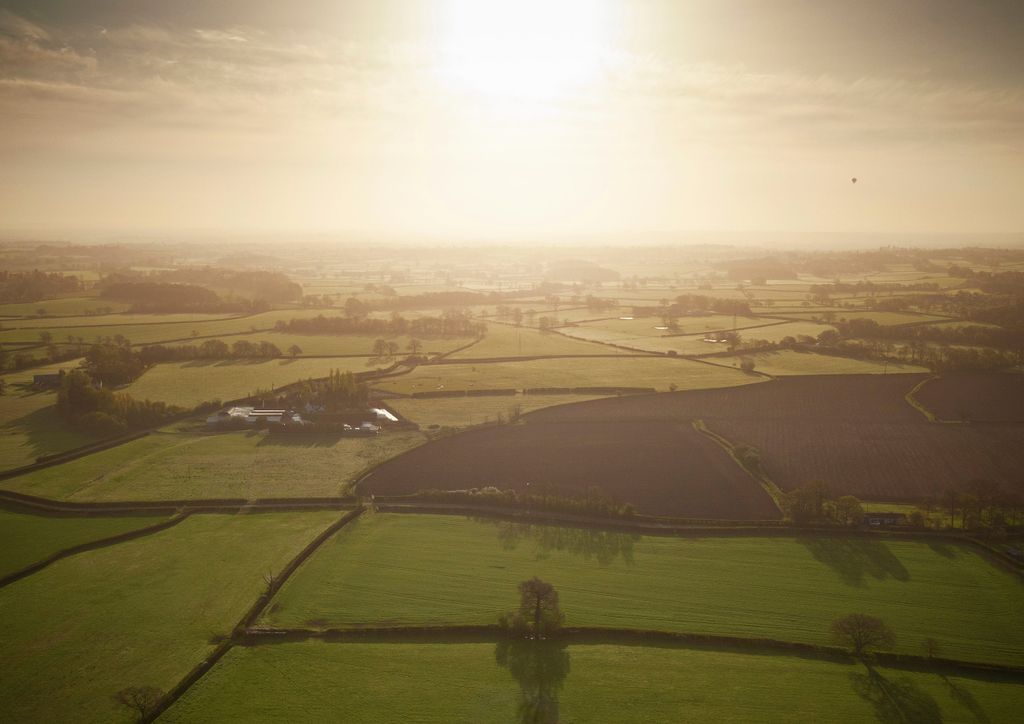
"I think that's a really key combination there that I want to focus on in my term, around genetics, animal health, grassland management, precision agriculture, digital technologies, food innovation.
"The list is endless in some ways, and a changing climate really presents major challenges."
Incoming students
However, with challenges come opportunities, and "as a school, we want to be central to helping the industry capitalise on those opportunities", Prof. Pierce said.
For prospective students, there is a "wide range of programmes", with the UCD School of Agriculture and Food Science delivering 17 undergraduate and 16 graduate taught programmes.
"We are getting students with lots of different interests coming in," she said.
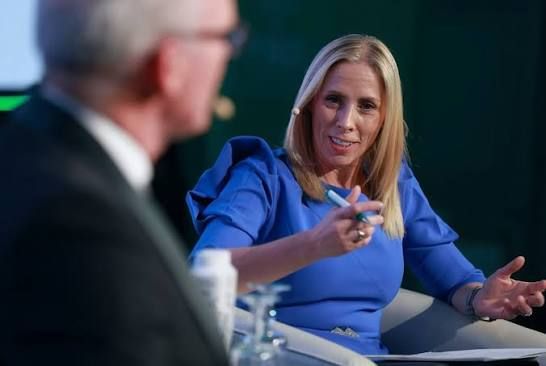
At the core of UCD's BAgrSc is, of course, "the science", but it is a broad degree that helps with "opening the door into many different career opportunities", Prof. Pierce said.
She said feedback from employers about what they want in graduates is that "they want broad, well-rounded graduates".
"That means that we have students then who can go into so many different careers, from agri-media to banking, to research, to teaching, to crop agronomy roles," she said.
She feels overall there are "amazing opportunities" out there for careers in the agri-food industry.
"You're coming into a degree and into an industry that will create paths and open doors into careers that you never even thought were possible," Prof. Pierce said.
"While the challenges are there, that means that we need people who can create solutions."