Table: Beef carcass performance data grouped by CBV

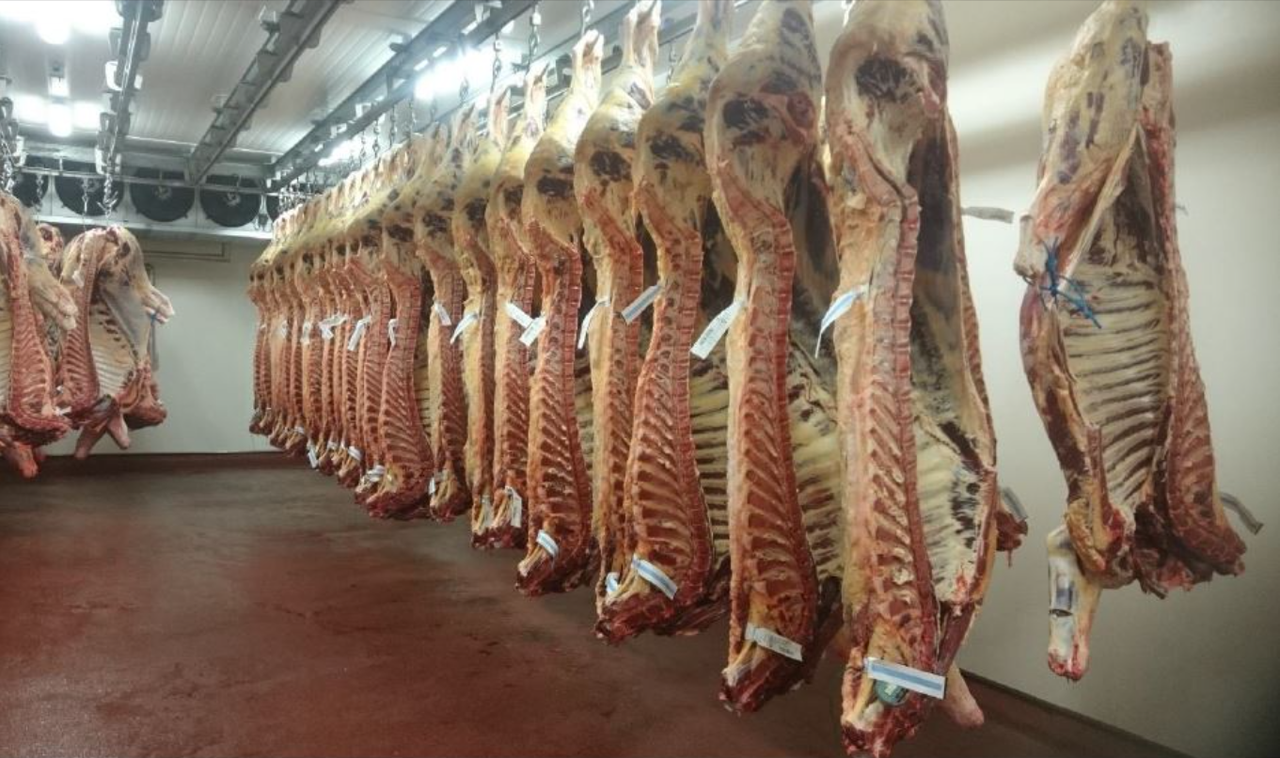
New beef carcass performance data gathered from over 87,000 Irish beef cattle has shown some interesting trends in carcass performance and age at slaughter of dairy-beef cattle when grouped by Commercial Beef Value (CBV).
The data was recently made available by the Irish Cattle Breeding Federation (ICBF) and shows that higher CBV dairy-beef calves are delivering better carcass performance than their lower CBV counterparts.
This improved performance is being achieved simply through identification of animals with higher genetic beef potential at the calf stage.
According to the ICBF, the results show that 5-star animals returned €113 more per carcass than 1-star cattle and were finished 13 days earlier on average.
The table below details the average performance of the test group of cattle when ranked by Commercial Beef Value:
| CBV Group | Count | CBV (€) | Carcass Weight (kg) | Carcass Conformation (scale 1–15) | Carcass Fat (scale 1–15) | Carcass Weight In-Spec (%) | Carcass Conformation In-Spec (%) | Age at Slaughter (days) | Carcass Price (€/kg) | Carcass Revenue (€/carcass) |
|---|---|---|---|---|---|---|---|---|---|---|
| 1 Star | 19,760 | 65 | 301 | 5.89 | 6.40 | 84 | 94 | 769 | 6.70 | 2,022 |
| 2 Star | 21,317 | 108 | 305 | 6.02 | 6.39 | 85 | 95 | 765 | 6.71 | 2,050 |
| 3 Star | 17,899 | 151 | 308 | 6.12 | 6.37 | 87 | 96 | 761 | 6.72 | 2,075 |
| 4 Star | 14,274 | 194 | 312 | 6.28 | 6.37 | 88 | 97 | 757 | 6.74 | 2,106 |
| 5 Star | 14,073 | 237 | 316 | 6.45 | 6.35 | 90 | 98 | 756 | 6.75 | 2,135 |
| 1 v 5 | — | +172 | +14 | +0.56 | −0.05 NS | +6 | +4 | −13 | +0.05 | +113 |
Beef farmers who are in the business of buying calves will know that it is very difficult to determine the genetic beef potential of a calf at the point of purchase without seeing the CBV of that animal.
Thanks to Irish beef industry data collection and analysis, a CBV can be determined for a calf based on the genetic merit of the sire and dam, therefore the information is available to the calf buyer at the point of calf purchase.
The analysis included 87,323 spring-born dairy-beef heifers and steers finished in 2025.
All animals were out of dairy dams and sired by the main breeds used in Irish systems, including:
- Angus;
- Hereford;
- Aubrac;
- Limousin;
- Belgian Blue;
- Charolais;
- Simmental.
Traditional breeds dominated the dataset, with Angus and Hereford accounting for 84% of cattle, while Limousin and Belgian Blue were the most common continental sires.
What the data means
The data in the above table would indicate that cattle with higher CBV outperform those with lower CBV across key performance metrics.
On average, 5-star animals delivered carcasses that were 14kg heavier, had higher conformation scores, and finished earlier with the improved performance not driven by increased fat levels.
Fat scores remained unchanged, meaning the added value came from improved carcass weight, better grading, and more efficient finishing.
Higher CBV cattle were also more likely to meet factory specifications, including carcass weight targets of 280-380kg and conformation grades of 'O+' or better.
Overall, this translated into an additional €0.19/day of life in extra carcass value for higher CBV animals.
The data was derived from 87,323 spring-born dairy-beef heifers and steers finished in 2025.